
 By
By 
In a world where technology rapidly evolves and trends come and go, the timeless allure of a well-crafted watch remains unwavering. These intricate marvels of engineering do more than just tell time-they carry stories, mark milestones, and reflect personal style. Yet, like any treasured possession, watches demand attentive care and occasional repair to preserve their precision and beauty. Whether you’re a seasoned collector or a casual wearer, understanding the essentials of watch maintenance can extend the life of your timepiece and keep it ticking flawlessly through the years. In this article, we explore the fundamental tips every watch owner should know to ensure their watches remain as dependable and elegant as the day they were first worn.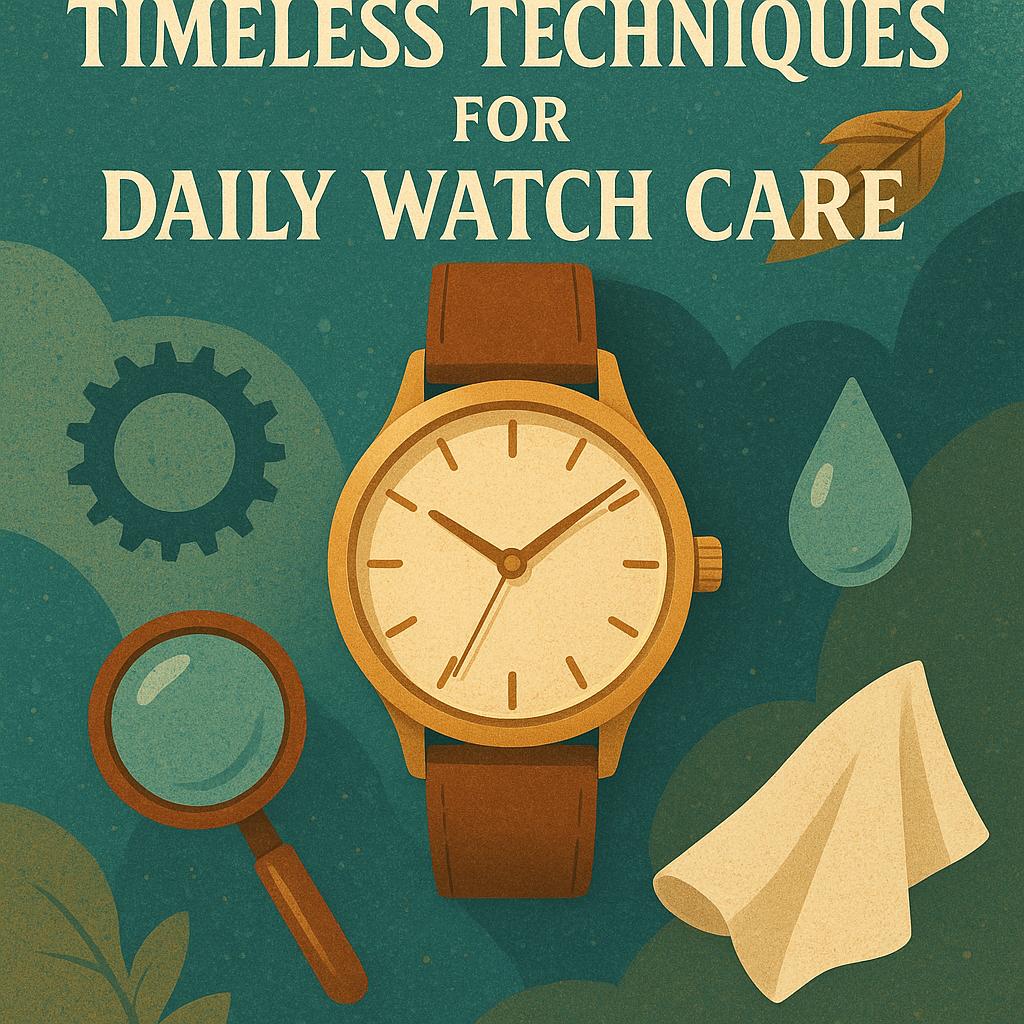
Timeless Techniques for Daily Watch Care
Preserving the elegance and functionality of your watch begins with consistent attention to simple, yet effective practices. Regular cleaning using a soft, lint-free cloth can prevent the accumulation of dirt and oils that dull the finish. For metal bracelets, a gentle brush with mild soap and water helps eliminate grime lodged between links. Avoid harsh chemicals and excessive moisture on leather straps, opting instead for specific leather care products to maintain suppleness without compromising texture. Remember, daily care isn’t just about looks; it’s about protecting the intricate mechanics beneath the surface.
Equally important is knowing when to seek professional attention. Winds should be done gently and consistently to avoid strain on the crown and internal gears. Store your timepiece in a dedicated box or watch winder to minimize exposure to dust and excessive movement. Avoid magnetic fields which can affect accuracy. Consider this quick-reference table for optimal maintenance schedules:
| Maintenance Task | Recommended Frequency | Notes |
|---|---|---|
| Cleaning (bracelet & case) | Monthly | Use mild soap, avoid leather soaking |
| Professional Servicing | Every 3-5 years | Overhaul movement & seals |
| Battery Replacement (quartz) | Every 1-2 years | Prevent leakage damage |
| Winding (manual watches) | Daily | Gentle and steady, same time preferred |
Mastering the Art of Professional Watch Repairs
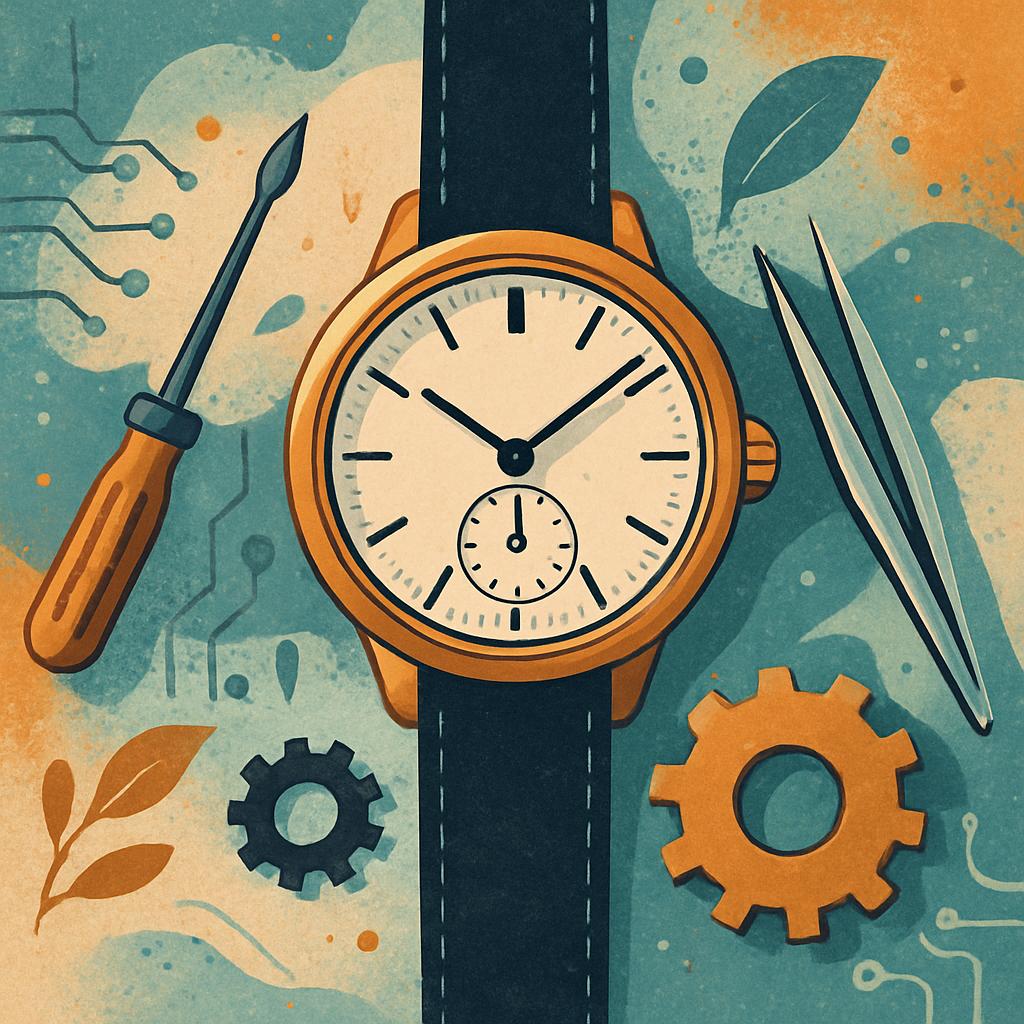
Repairing a professional timepiece requires a blend of precision, patience, and a deep understanding of mechanical intricacies. Before attempting any repair, always start by identifying the type of movement – whether quartz, automatic, or manual – as each demands distinct handling techniques. Using the correct tools is paramount; tiny screwdrivers, tweezers made for delicate tasks, and a loupe can make all the difference. Equally essential is working in a dust-free, well-lit environment to avoid introducing contaminants that could jeopardize the watch’s performance. Remember, no shortcut replaces meticulous care when restoring even the smallest components.
Beyond the physical repair steps, mastering the art demands familiarity with the common issues and their remedies. Issues like a watch losing time, moisture infiltration, or a stuck crown can often be traced back to a few core problems. Consider the practical checklist below to troubleshoot effectively:
- Check the battery health for quartz watches and replace if necessary.
- Inspect gaskets for wear to maintain water resistance.
- Evaluate lubrication levels on gears to prevent friction damage.
- Ensure the balance wheel and escapement are free from obstructions.
| Common Problem | Likely Cause | Repair Tip |
|---|---|---|
| Watch runs slow | Dried lubrication | Clean and apply fresh oil carefully |
| Moisture inside case | Damaged gasket | Replace gasket and dry movement |
| Crown won’t turn | Thread obstruction | Clear debris, check crown stem alignment |

Essential Tools and Tips for At-Home Maintenance
When it comes to caring for your timepiece at home, having the right tools makes all the difference. Investing in a quality watch case opener, precision screwdrivers, and a soft microfiber cloth ensures you handle your watch delicately and effectively. Equally important is a spring bar tool, which allows you to change straps without scratching the lugs. Keeping these tools organized in a compact, dust-free box minimizes the risk of losing or damaging them. Remember, patience and a steady hand are your best allies when performing any minor adjustments or cleaning tasks on your watch.
Alongside tools, adopting a few simple habits can greatly extend your watch’s lifespan:
- Regular Cleaning: Wipe down your watch weekly to remove sweat, dust, and oils.
- Water Resistance Checks: Test seals annually if your watch is worn during water activities.
- Proper Storage: Store watches in a cool, dry place away from magnets and direct sunlight.
- Mindful Wearing: Avoid exposing the watch to extreme temperatures or harsh chemicals.
| Tool | Purpose |
|---|---|
| Case Opener | Access watch’s inner mechanism |
| Spring Bar Tool | Strap changes and adjustments |
| Microfiber Cloth | Gentle cleaning without scratches |
| Precision Screwdrivers | Handling tiny screws and pins |
Concluding Remarks
In a world where time never stops, your watch stands as a silent companion marking every moment. By embracing these essential tips for maintenance and repair, you not only preserve its precision but also honor the craftsmanship behind every tick. Whether vintage heirloom or modern marvel, caring for your watch ensures it remains a timeless emblem on your wrist-ready to tell your story for years to come. Remember, time may be fleeting, but well-kept watches are forever.







Comments