
 By
By In a world where time is often measured by the frenetic pace of our lives, watches stand as timeless vessels, encapsulating moments both fleeting and eternal. Yet, the true artistry of horology goes far beyond mere mechanics; it lies in the painstaking craftsmanship that transforms raw materials into magnificent timepieces. From the gleam of precious metals to the allure of meticulously sourced gemstones, each component tells a story of innovation, tradition, and an unwavering pursuit of excellence. In this exploration of watch craftsmanship,we will embark on a journey to uncover the diverse materials that shape the quality and character of these miniature marvels.By delving into the intricate interplay between material selection and craftsmanship, we aim to illuminate how these elements converge to create not just a tool for timekeeping, but a legacy that transcends generations. Join us as we unravel the intricate threads that weave together the world of horology, revealing the profound impact of materials on the quality and artistry of fine watches.
The Art of Time: Understanding the Influence of Materials in watchmaking
In the intricate world of watchmaking,materials are not merely functional; they are the very soul of each timepiece,influencing not just durability but also aesthetic appeal and performance. Craftsmanship is elevated through the careful selection of materials, with each component contributing to the watch’s overall character. Consider the choices that horologists make:
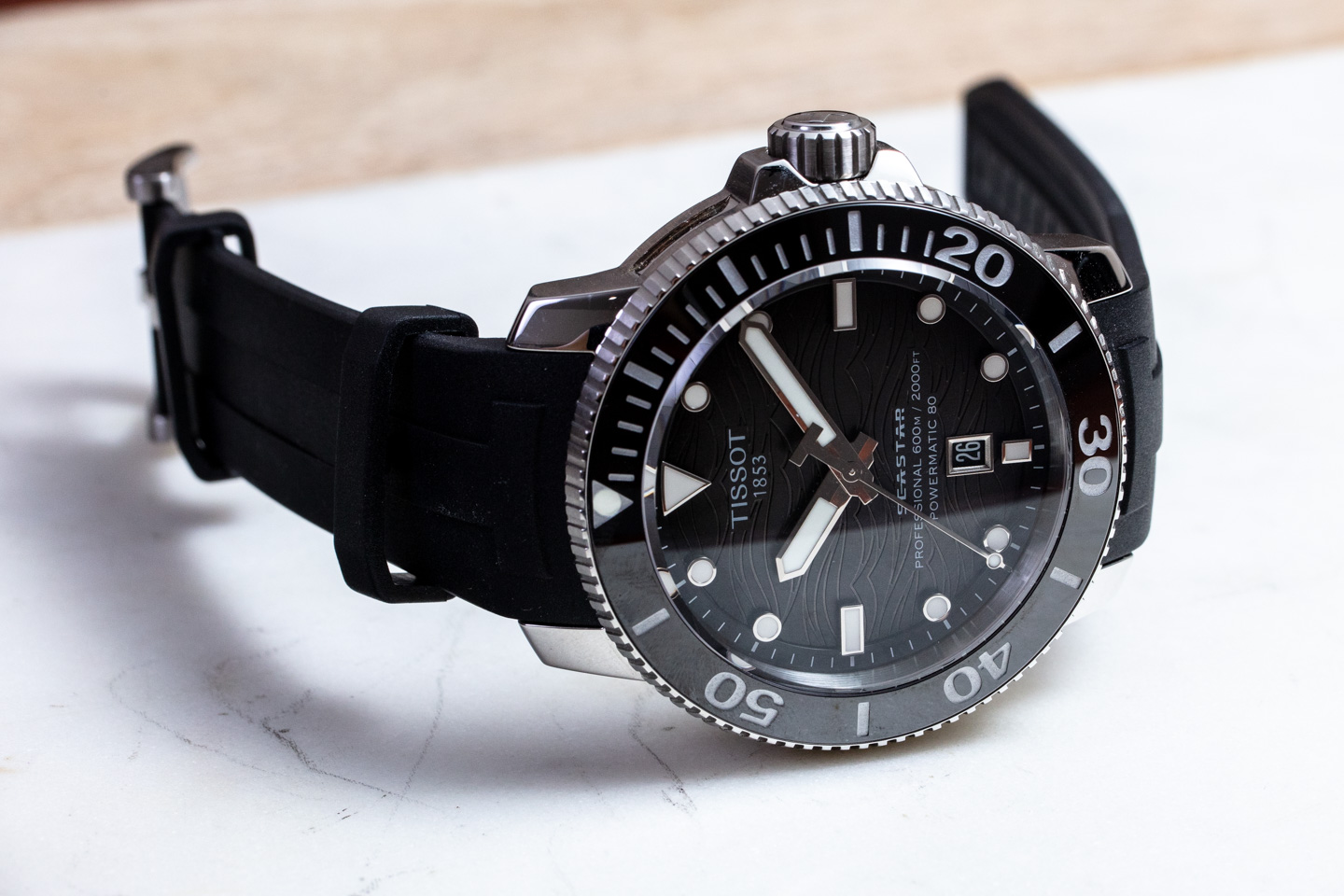
- Stainless Steel: Renowned for its robustness and resistance to corrosion, this material is a staple for both luxury and sports watches.
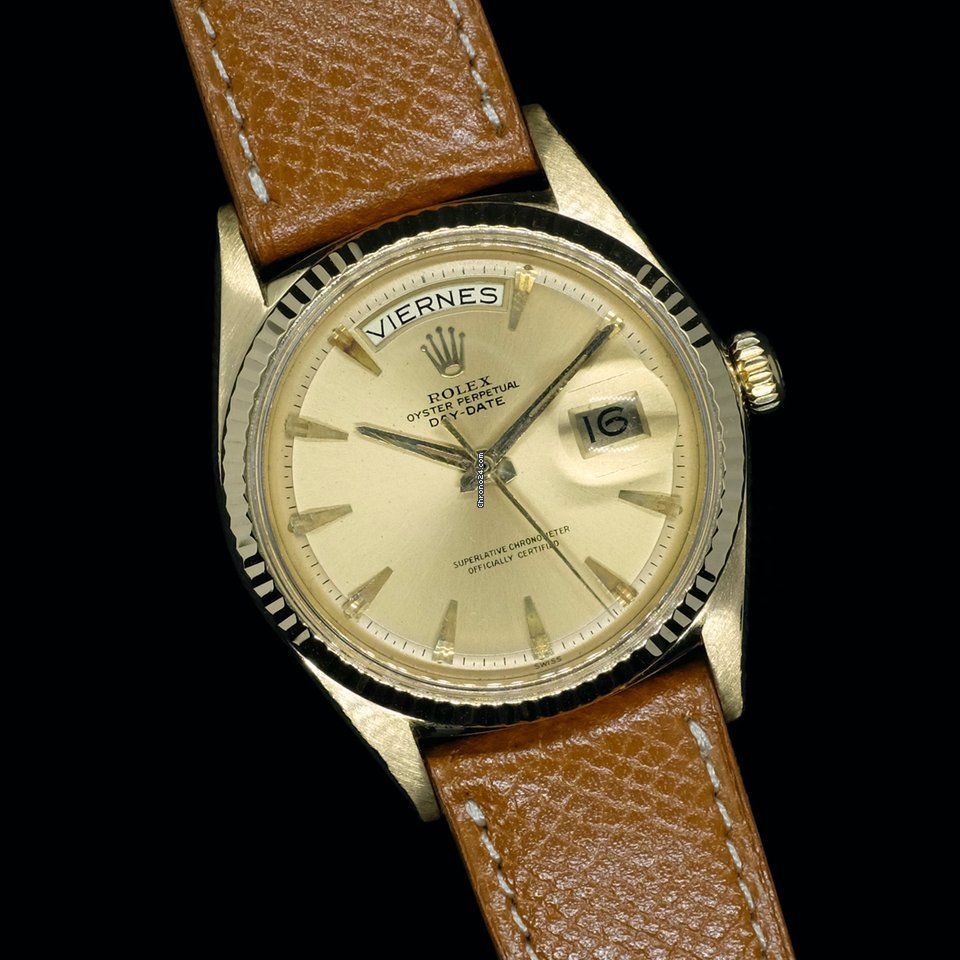
- Gold: Timeless and opulent, gold offers an unparalleled elegance, often reserved for high-end pieces.
- Sapphire Crystal: Known for its scratch resistance,sapphire glass ensures the dial remains pristine without compromising on clarity.
- Carbon Fiber: Utilizing aerospace technology, this lightweight material brings a modern edge to contemporary designs.
The interplay of these materials not only shapes the functionality of the watch but also dictates its narrative.For instance, metals can dictate the watch’s weight and feel, while unique alloys can offer enhanced durability. Furthermore, the finishing techniques applied to these materials contribute significantly to the watch’s charm-polished surfaces reflect light in alluring ways, while brushed finishes evoke a rugged, understated elegance. To help visualize these material impacts, consider the following comparison table that highlights some common materials used in watchmaking and their key characteristics:
| Material | Durability | Aesthetic Appeal | Weight |
|---|---|---|---|
| Stainless Steel | High | Timeless | Medium |
| Gold | Medium | Opulent | Heavy |
| Carbon Fiber | Medium | Modern | Light |
| Sapphire Crystal | Very High | Clear | Light |
By understanding the various materials and their unique properties, enthusiasts can appreciate the true craftsmanship that goes into each piece. The choice of material informs every facet of the watch’s design, ensuring that it not only becomes a reliable companion in the passage of time but also a work of art worthy of admiration.
Metals and Beyond: Evaluating Traditional and Innovative Materials for Durability
When it comes to the intricate world of watchmaking, the choice of materials plays a pivotal role in determining both functionality and longevity.Traditional metals such as stainless steel, gold, and platinum have long been the backbone of luxury timepieces, prized for their aesthetic appeal and inherent durability. Stainless steel, known for its corrosion resistance and strength, is often favored in high-performance watches. Simultaneously occurring, gold and platinum lend a timeless elegance but require careful maintenance to protect against scratches and wear.
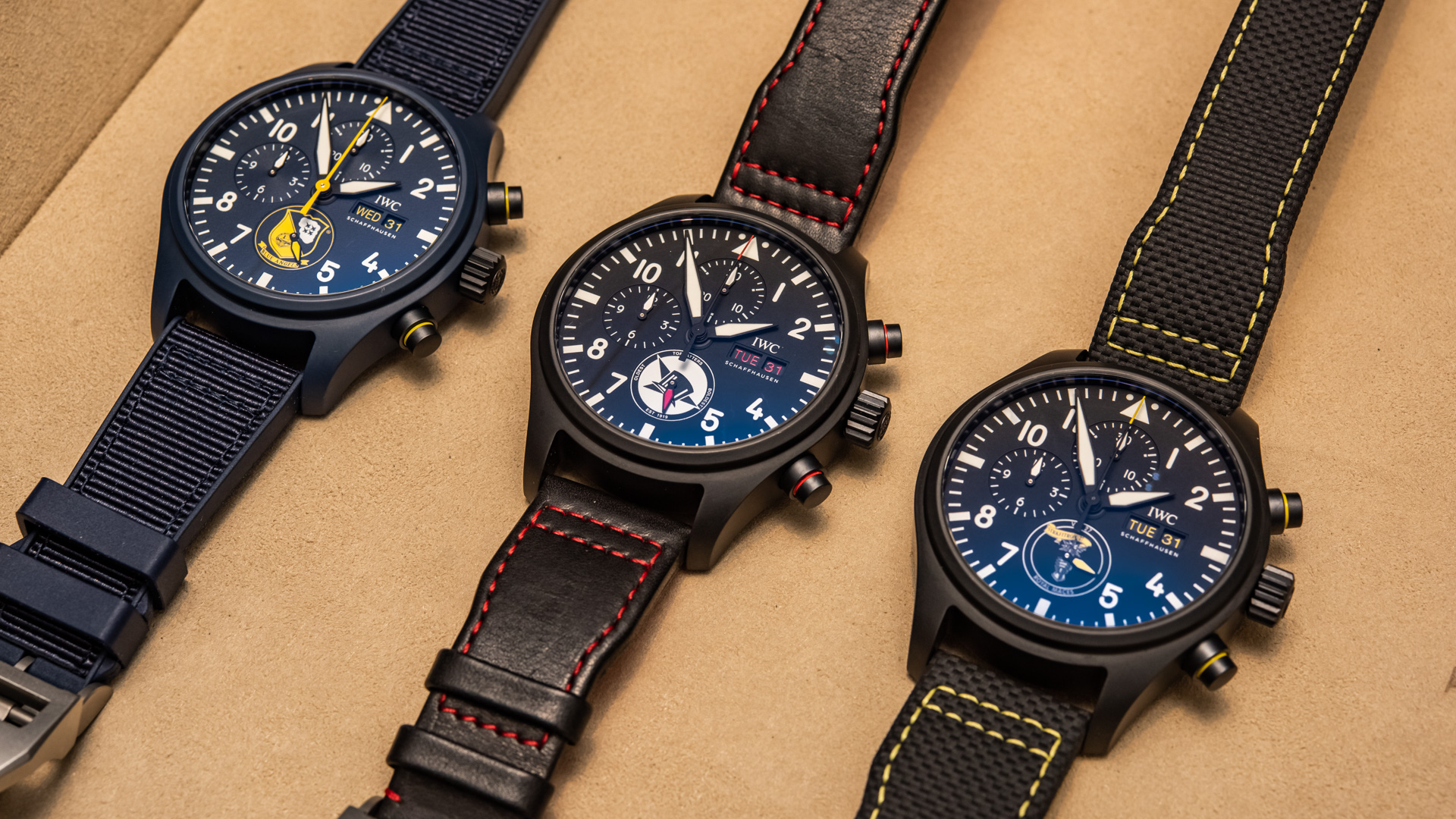
As innovation propels the industry forward, new materials are emerging that challenge conventional notions of durability. Ceramics, for example, offer a lightweight option that is both scratch-resistant and capable of maintaining its luster over time. Additionally, composite materials are gaining traction for their ability to resist extreme conditions while providing a unique visual appeal. An evolving palette of materials,including carbon fiber and silicon,is being explored,enhancing not only resilience but also the adaptability of design in modern horology.
| Material | Durability | Aesthetic |
|---|---|---|
| Stainless Steel | High | Classic |
| Gold | Moderate | Luxurious |
| Ceramic | High | Modern |
| Carbon Fiber | Very High | Futuristic |
The finishing Touch: How Surface Treatments Enhance Aesthetic and Functional Quality
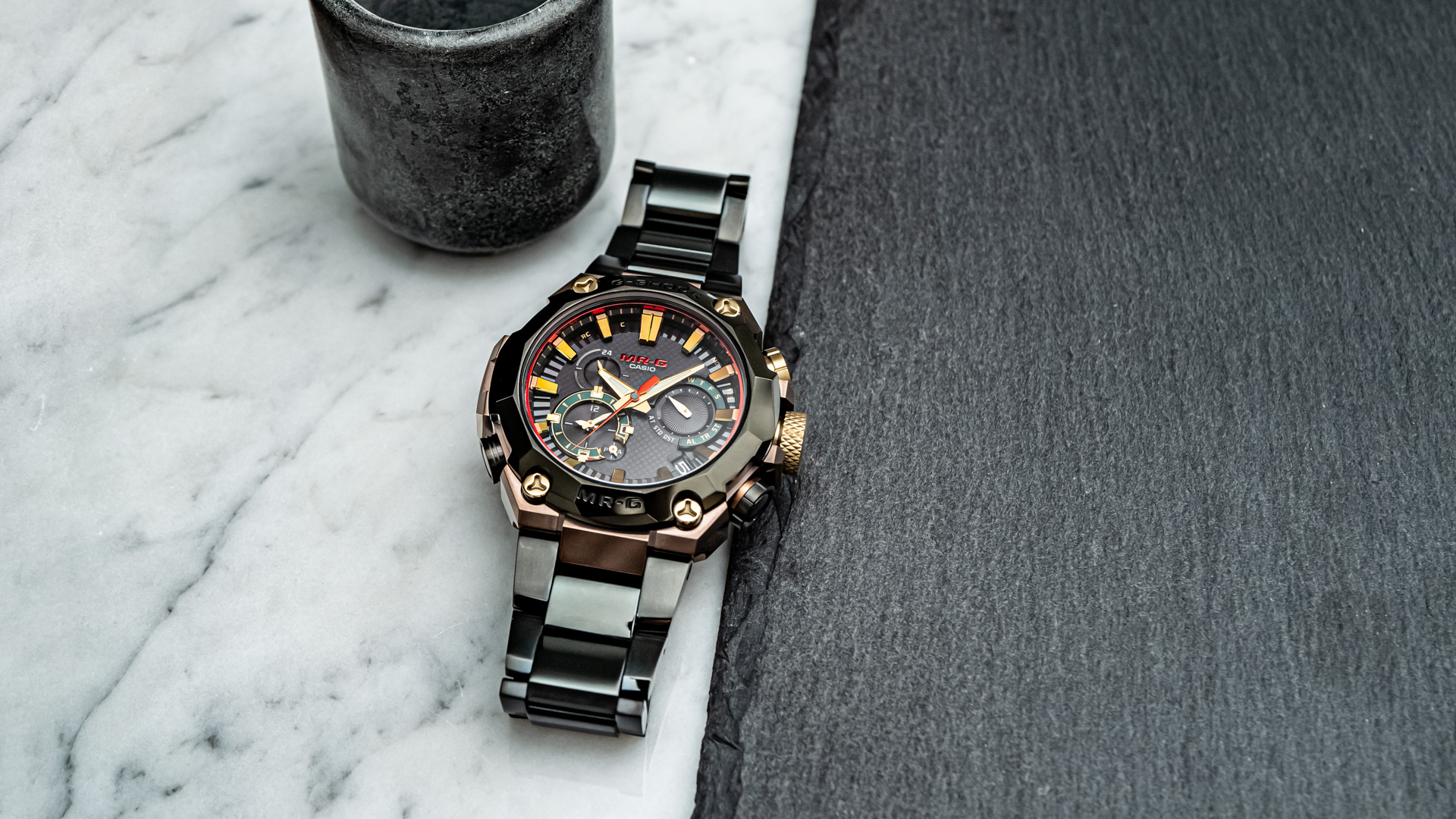
Surface treatments play a crucial role in the overall perception of a timepiece, offering more then just a visual appeal; they enhance the durability and functionality of watches as well. The meticulous application of finishes can transform basic materials into objects of desire. For instance, techniques such as polishing, brushing, and sandblasting can create a varied texture that not only catches the light but also reflects the craftsmanship behind each piece.Moreover, the choice of coating can provide essential protection against scratches and corrosion, ensuring that the watch remains pristine for years.Some common surface treatment techniques include:
- Ion Plating: A popular method for adding a layer of color while improving scratch resistance.
- PVD Coating: A complex technique that bonds an additional layer to enhance hardness and aesthetic appeal.
- Enameling: Used to create intricate designs, allowing for colorful and artistic expressions on dials.
Beyond aesthetics, surface treatments can significantly impact a watch’s functionality. Specific finishes can improve the readability of the dial under various lighting conditions by reducing glare or enhancing contrast.For example, a matte surface on indices can help them stand out against a shiny background.Additionally, treatments can affect the watch’s weight and comfort. Consider the following benefits of well-executed surface treatments:
| Benefit | Description |
|---|---|
| durability | Increased resistance against wear and environmental factors. |
| Aesthetic Appeal | Enhanced visual characteristics that elevate luxury perception. |
| Comfort | Optimized weight distribution and texture for better wearability. |
Insights and Conclusions
As we conclude our journey through the intricate world of watch craftsmanship, we emerge with a newfound appreciation for the materials that elevate these timepieces beyond mere functional accessories. Each component,from the resilient case to the delicate movement,plays a pivotal role in defining quality and artistry.
Understanding these elements allows us not only to recognize the mastery involved in horology but also to appreciate the emotional connection we forge with these timeless instruments. From the warmth of gold to the resilience of ceramic, the choices made by watchmakers echo through the ages, each telling a story of tradition, innovation, and personal expression.
As you explore this captivating realm, remember that every watch is more than a keeper of time; it is indeed a testament to the dedication of artisans who meticulously blend form and function. Whether you’re a seasoned collector or a curious novice, may your appreciation for the craftsmanship behind every tick deepen every time you glance at your wrist, reminding you of the artistry that lies within the heart of each watch. Time waits for no one, but the stories that these exquisite pieces carry will forever resonate with those who take the time to listen.





Comments