
 By
By Introduction:
In a world where time slips seamlessly through our fingers, watches stand as enduring symbols of precision and style. Beyond their ornamental allure lies the intricate machinery that powers them-a delicate balance of gears, springs, and craftsmanship. Yet, like any marvel of engineering, watches require regular care and attention to ensure they continue to tick in perfect harmony. Whether you’re a devoted collector of vintage timepieces or simply cherish a reliable daily wear,understanding the nuances of watch maintenance and repair can not only extend the life of your treasured accessory but also enhance its performance and beauty.In this article, we’ll dive into essential tips that will empower you to keep your watch running smoothly, ensuring that every second remains a testament to the artistry of horology. From routine upkeep to troubleshooting common issues, these insights are designed to help you navigate the world of watch care with confidence and ease. Don’t miss out on the chance to give your watch the longevity it deserves!
Understanding the Anatomy of Your Timepiece for Better Care
Your timepiece is more than just a tool for keeping time; it’s a masterpiece of engineering and artistry. To fully appreciate this craftsmanship,it helps to familiarize yourself with the intricate parts of your watch.At the heart of every mechanical watch lies the movement, which is the mechanism that powers the timekeeping function. Understanding the various types of movements-like automatic, manual, and quartz-is crucial for maintenance. Automatic watches, for instance, require regular wearing to keep the mechanism wound, while quartz watches depend on battery changes at intervals.
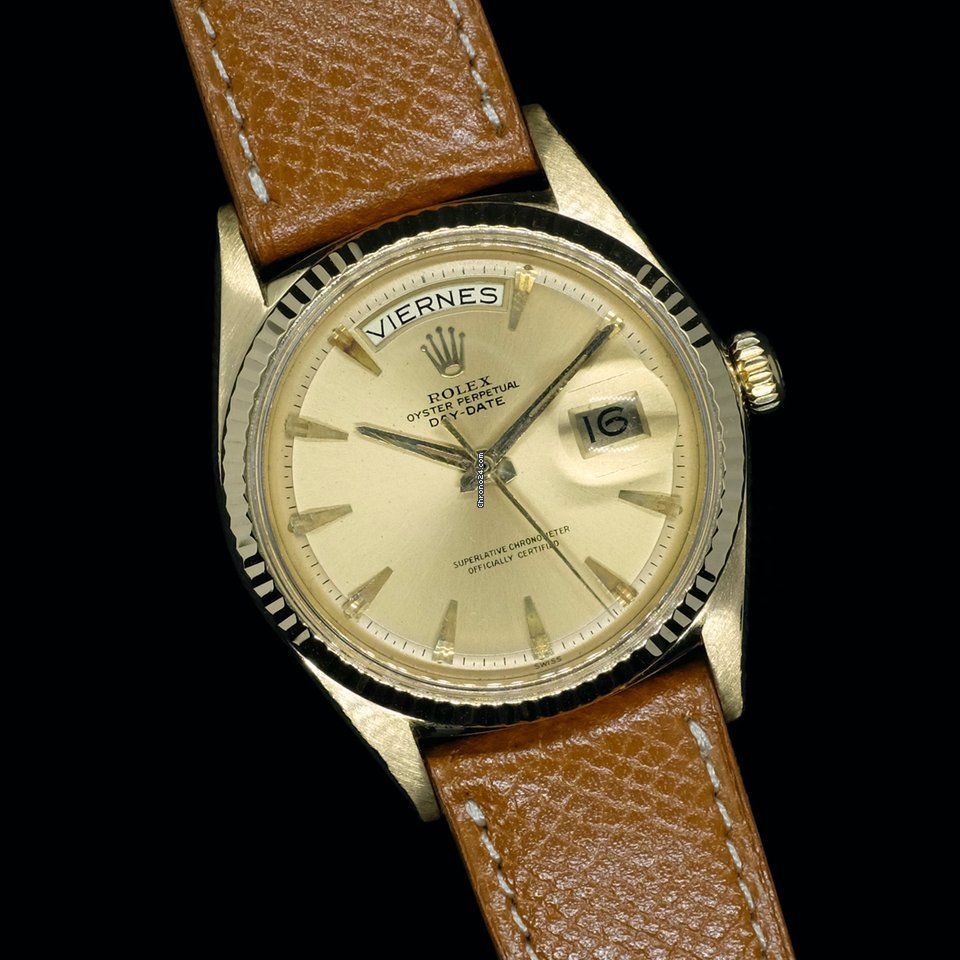
Besides the movement, components such as the case, crystal, and strap play notable roles in both aesthetics and functionality. The case, which houses the movement, can be made from materials such as stainless steel or gold, each requiring different care methods.The crystal, usually made from sapphire, mineral glass, or acrylic, protects the dial and can scratch easily, so understanding its type is essential for proper cleaning and maintenance. Furthermore, the strap, whether leather or metal, has unique needs; for instance, a leather strap should be kept away from water to avoid premature wear.
Proactive Strategies to Prevent Common watch Issues
To keep your timepiece in optimal condition, incorporating a few proactive measures can substantially reduce the risk of common watch problems. Begin by regularly winding your automatic or manual watches; this simple habit ensures that the mechanism stays lubricated and functions smoothly.Additionally, it’s wise to store your watch properly in a cool, dry environment, away from direct sunlight or extreme temperatures, which can affect both the movement and casing materials. Consider using a watch winder for automatic watches when not in use, maintaining consistent movement and preventing any potential issues that could arise from inactivity.
Another effective strategy is to schedule routine professional maintenance, ideally every 3 to 5 years, depending on the type of watch and its usage. During these check-ups, watchmakers can clean, lubricate, and check for any potential issues that might go unnoticed. Alongside this, always be mindful of water resistance; if a watch is water-resistant, check the gasket seals regularly and have them replaced as necessary to prevent moisture from damaging the internals. To help you keep track of these essential maintenance tasks, you might find the following table helpful:
| Task | Frequency |
|---|---|
| Winding (for automatic/manual watches) | Daily |
| Store in a safe, dry place | Always |
| Professional maintenance | Every 3-5 years |
| Check gasket seals | Annually |
essential Tools and Techniques for At-Home Repairs
When it comes to maintaining and repairing your watch at home, having the right tools is crucial. Start with a basic toolkit specifically designed for watch repair, as it often includes essential items such as watch case openers, screwdrivers in various sizes, and spring bar tools for adjusting bands. A magnifying glass can help you get a closer look at tiny components, making it easier to spot any issues. Remember to also invest in cleaning solutions and lint-free cloths to keep your watch looking pristine and functioning smoothly.
Alongside your tools, mastering a few key techniques will enhance your DIY skills. Start with simple tasks like changing a battery, which requires only the right screwdriver and a steady hand. Once you’re comfortable, try adjusting the watch strap using spring bars-a skill that not only personalizes your watch but can also extend its lifespan. For more advanced repairs, like resealing the watch for water resistance, consult detailed guides or videos. Utilize a checklist to ensure that every step is completed,listing component checks,necessary tools,and cleaning steps,enhancing your efficiency and effectiveness:
| Task | Tools Required | Notes |
|---|---|---|
| Change Battery | Screwdriver,Battery Opener | Ensure the correct battery type. |
| Adjust Strap | Spring Bar Tool | Watch for pin retention. |
| Clean Watch | Lint-Free Cloth,Cleaning Solution | Use gentle circular motions. |
To Conclude
In the intricate world of horology, the appreciation of timepieces goes beyond mere aesthetics; it encompasses the care and maintenance that keep these mechanical marvels ticking flawlessly.As we conclude our exploration of essential tips for effective watch maintenance and repair, remember that each watch tells a story, not just of time, but of the dedication and expertise invested in its upkeep.
Whether you’re a seasoned watch enthusiast or a budding collector, implementing these strategies will not only prolong the life of your cherished timepiece but also enhance your understanding and appreciation of its craftsmanship. From routine cleaning to understanding when to seek professional help, each tip serves as a pillar in the foundation of watch care.
As you embark on your journey of watch maintenance, take pride in the knowledge you’ve gained and the assurance that comes with proper care. Ultimately,a well-maintained watch is not just an instrument for telling time; it becomes a lasting companion,ready to accompany you through every moment life has to offer.Embrace the art of watch maintenance,and your timepieces will reward you with years of faithful service. Happy ticking!






Comments