
 By
By 
From Gears to Gadgets: A Journey Through the Evolution of Watches
Time, an ever-flowing continuum, has long been a source of fascination and an essential aspect of human existence. As early as ancient civilizations, the quest to measure and understand this elusive entity led to the creation of intricate devices designed to track its passage. The evolution of watches mirrors not only advancements in technology but also the changing needs and desires of society. from the meticulous craftsmanship of pocket watches to the sleek sophistication of modern smartwatches, this journey through the history of timekeeping devices reveals a rich tapestry of innovation and artistry. In this article, we will explore the pivotal moments in horological history, highlighting how each transformation reflects the spirit of its age and the aspirations of its creators. Join us as we delve into a world where gears give way to gadgets, and the simple act of telling time becomes a celebration of human ingenuity.

The Transformation of Timekeeping: From Mechanical Marvels to Smart Devices
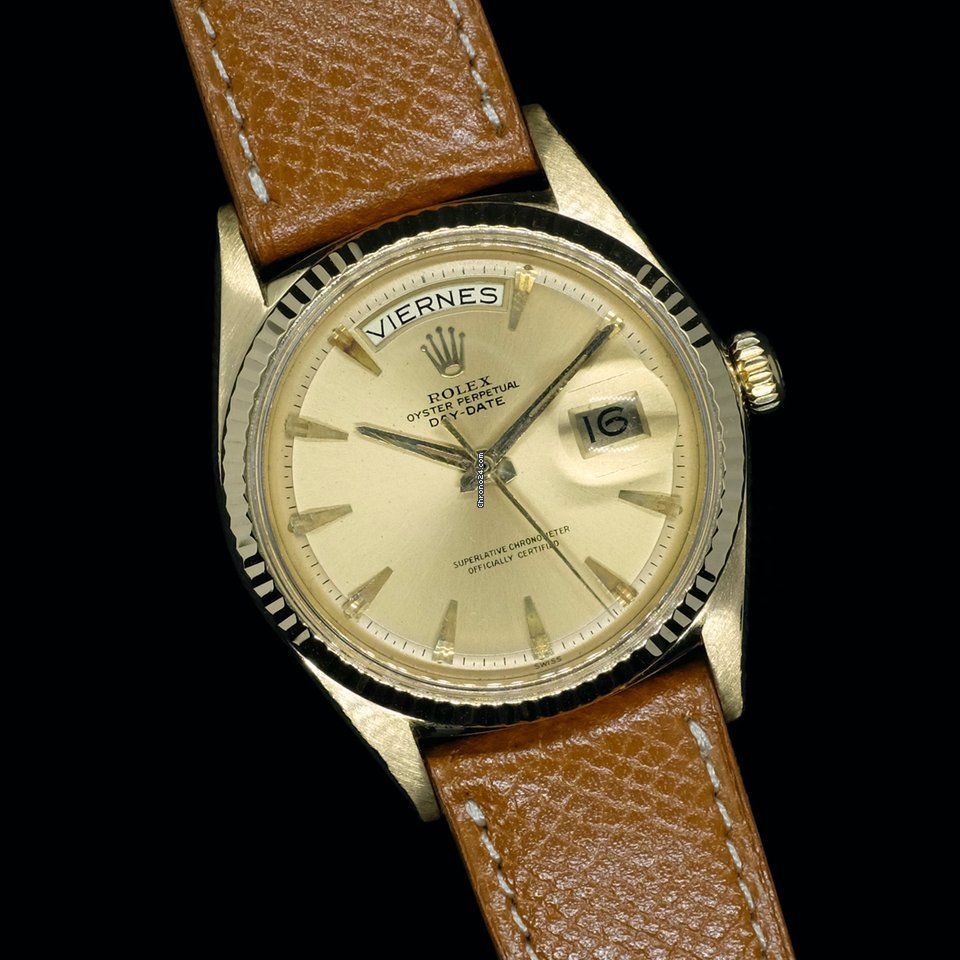
Timekeeping has undergone a sweeping metamorphosis throughout history,evolving from intricate mechanical devices that captivated watchmakers to the sleek,smart devices that have become ubiquitous in modern life. The complexity of the earliest timepieces-relying on carefully calibrated gears, springs, and pendulums-reflects the craftsmanship of an era when every tick was a testament to human ingenuity. These mechanical marvels not only served a functional purpose but also represented status, with ornate designs and precious materials transforming them into cherished heirlooms. Among the hallmarks of this period were remarkable innovations such as:
- The Grandfather Clock: Iconic longcase clocks that dominated parlors.
- Pocket Watches: Smaller, portable timekeepers that emphasized craftsmanship.
- tourbillon Mechanisms: Complex designs to counteract gravitational errors.
As technology advanced,the fusion of electronics with customary timekeeping transformed our relationship with time. The introduction of quartz watches in the 1970s marked a pivotal shift, bringing precision and affordability to consumers worldwide. Now, the landscape has evolved yet again with the emergence of smartwatches. These devices are not merely timekeepers but full-fledged companions, integrating features that go far beyond telling time. they can monitor health metrics, receive notifications, and even control other smart devices. A brief comparison highlights this drastic change:
| Feature | Mechanical Watches | Smartwatches |
|---|---|---|
| Timekeeping | Gears and Springs | Quartz Sensing |
| Design | Artisan Craftsmanship | Modern Aesthetics |
| Functionality | Time Display | health Tracking,Notifications |
Craftsmanship meets Technology: the Art of Modern Watchmaking
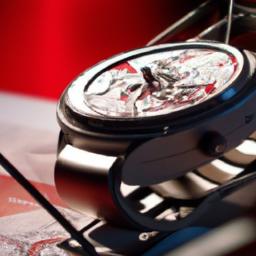
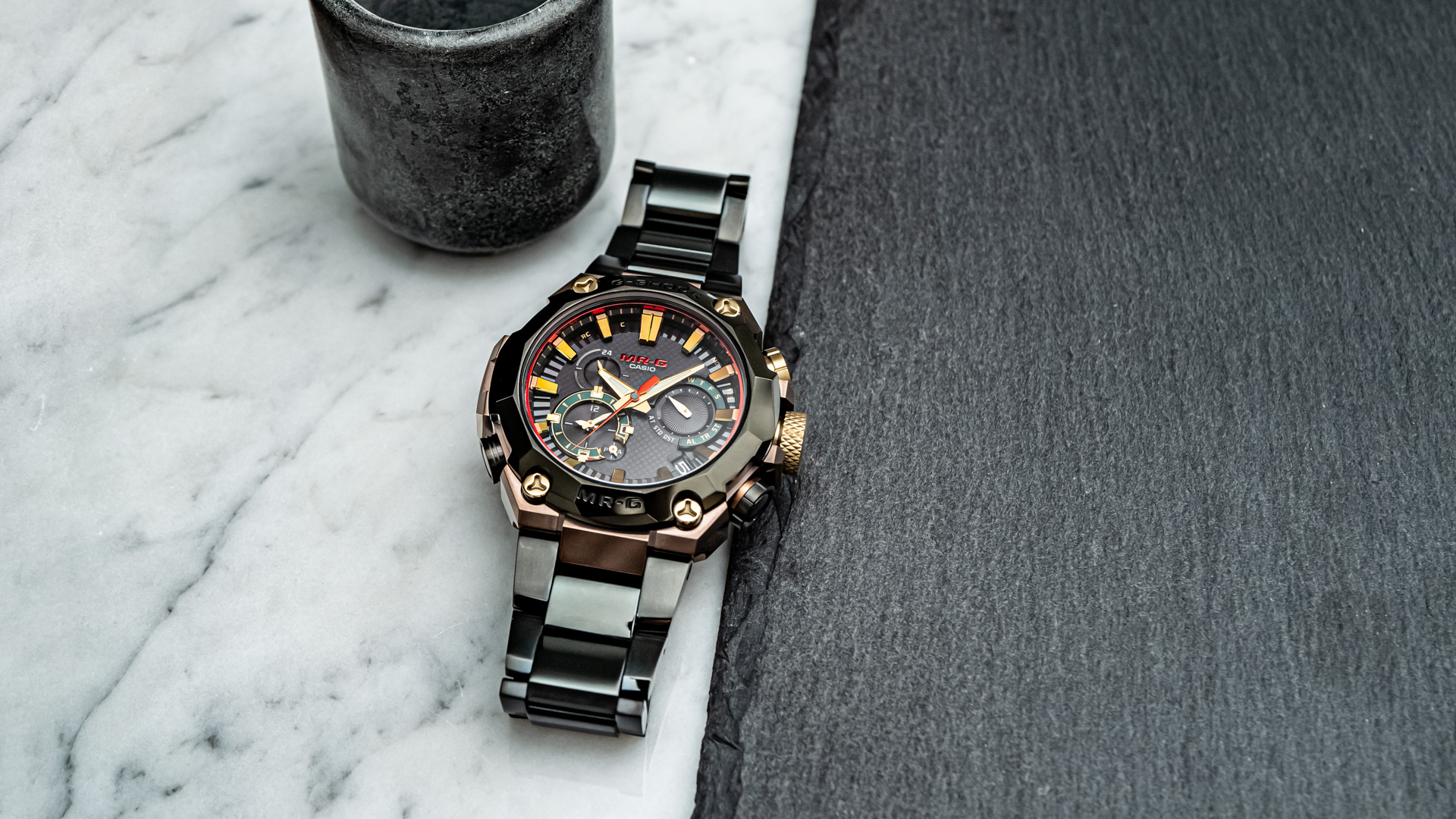
The intersection of craftsmanship and technology has redefined the art of watchmaking, transforming ordinary timepieces into intricate masterpieces. Each modern watch blends traditional techniques with cutting-edge advancements,preserving the essence of horological artistry while embracing innovation. Renowned artisans meticulously sculpt components from precious metals, often applying hand-finishing techniques that elevate durability and aesthetics alike. Key elements contributing to this seamless integration include:
- Precision Engineering: Utilizing computer-aided design (CAD) software to enhance accuracy in each component.
- Sustainable Materials: Incorporating eco-friendly resources and innovative alloys for long-lasting performance.
- Smartwatch Integration: Merging classic designs with modern functionalities such as fitness tracking and notifications.
As we explore the evolution of timepieces, it becomes evident that modern watchmaking is not just about keeping time, but about telling a story. Luxury brands now harness technology to craft bespoke experiences, allowing consumers to customize aspects of their watches while still adhering to heritage practices. The following table illustrates notable milestones in modern horological advancements:
| Year | Innovation | Impact |
|---|---|---|
| 1970 | Quartz Movement Introduction | Revolutionized accuracy and affordability. |
| 2000 | Smartwatch Technology Emergence | Bridged the gap between analog and digital lifestyles. |
| 2015 | Wearable fitness Trackers | Introduced health monitoring into daily life. |
This synthesis of heritage and innovation not only enriches the craftsmanship but also showcases the remarkable adaptability of watchmakers in a fast-paced world. as technology continues to advance, the art of watchmaking will likely give rise to even more extraordinary creations, inviting enthusiasts to embark on new adventures with every tick.
Navigating the Future: Choosing the Right Timepiece for Every Lifestyle
As technology advances, so too do our choices in timekeeping devices, and selecting the right watch has become a nuanced decision tailored to individual lifestyles. A minimalist, elegant watch can complement a professional wardrobe, while a robust, feature-packed smartwatch is ideal for the active enthusiast. Considerations like durability, design, and functionality can significantly influence the ultimate choice, ensuring that your wristwear not only tells time but also reflects your personality and daily pursuits. Here are some essential factors to keep in mind when navigating your options:
- Purpose: Are you seeking a timepiece for formal occasions, daily wear, or outdoor adventures?
- Features: Will you benefit from health tracking, GPS, or smart notifications?
- style: Does a classic, vintage look appeal to you, or do you prefer modern aesthetics?
- Budget: How much are you willing to invest in a watch that defines your style?
In this age of innovation, even traditional watches have been reimagined to fit modern life. Such as, luxury brands now incorporate smart technology while maintaining their heritage designs, allowing enthusiasts to enjoy both form and function.To better understand the different types of watches available, consider the table below, which outlines various timepieces along with their distinctive features:
| Type of Watch | Features |
|---|---|
| Analog | Classic, no digital display, timeless aesthetics |
| Digital | Easy-to-read display, frequently enough features alarms and timers |
| Smartwatch | Bluetooth connectivity, health tracking, customizable interfaces |
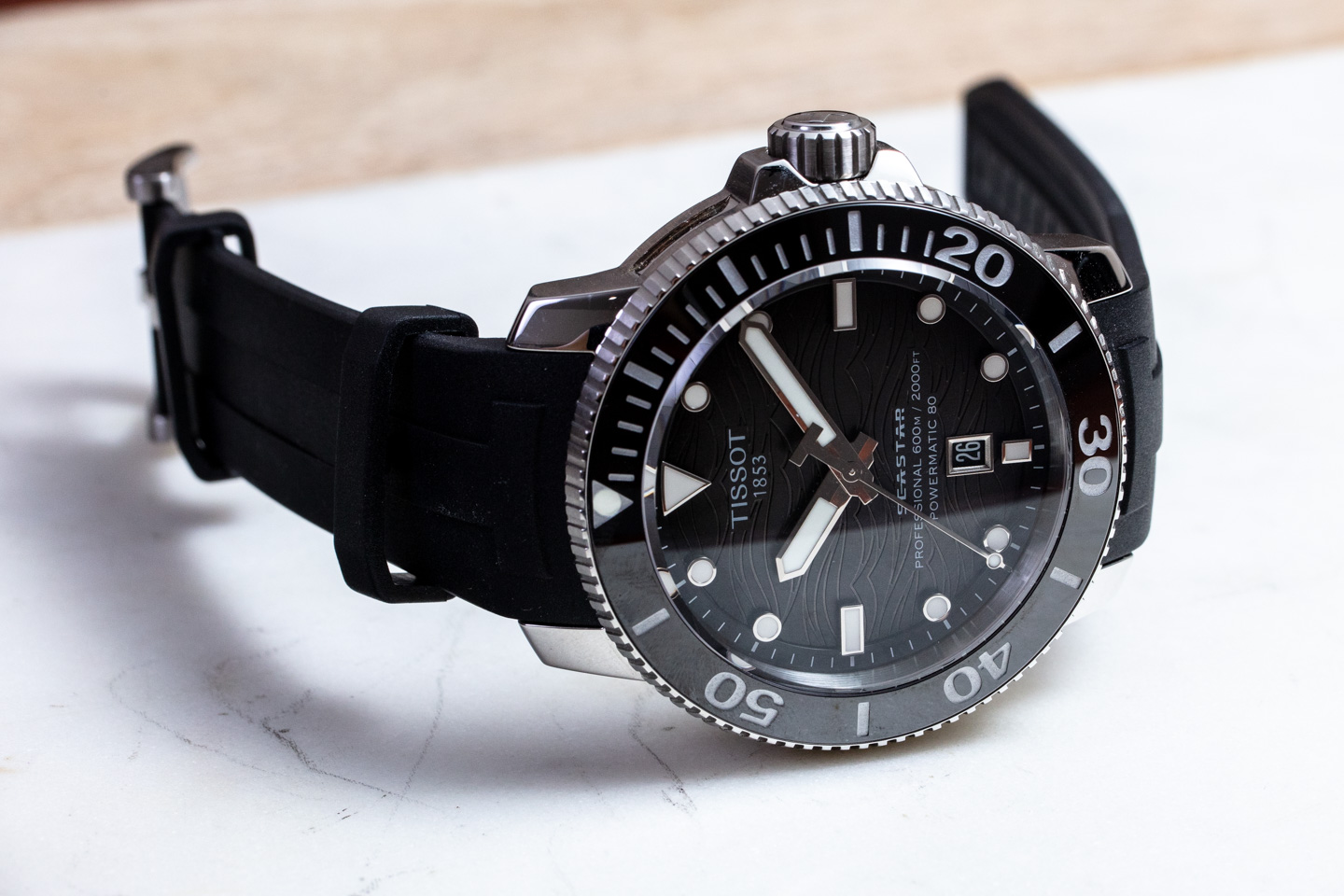
| Diving Watch | water-resistant, durable design, often includes rotating bezels |
In Conclusion
As we close the chapter on this intricate journey from gears to gadgets, we find ourselves at the intersection of tradition and innovation. The evolution of watches mirrors humanity’s relentless quest for precision, craftsmanship, and self-expression. From the meticulous mechanics of early timepieces to the digital marvels of the smartwatch era, each tick of the clock represents not just a moment in time, but a significant leap in technological ingenuity.
As we look ahead, one thing remains certain: the watch will continue to evolve, adapting to the needs and desires of future generations.Whether it’s a classic mechanical watch that whispers stories of the past or a cutting-edge smart device that connects us to the present and future, the essence of what a watch represents-our relationship with time-remains timeless.
So, as you fasten your wrist with your own chosen timekeeper, take a moment to appreciate the journey it has undertaken-a testament to human creativity, a blend of art and science, and a celebration of time itself. Whatever the future holds, may our watches always serve not just as practical instruments, but as reflections of who we are.




Comments