
 By
By 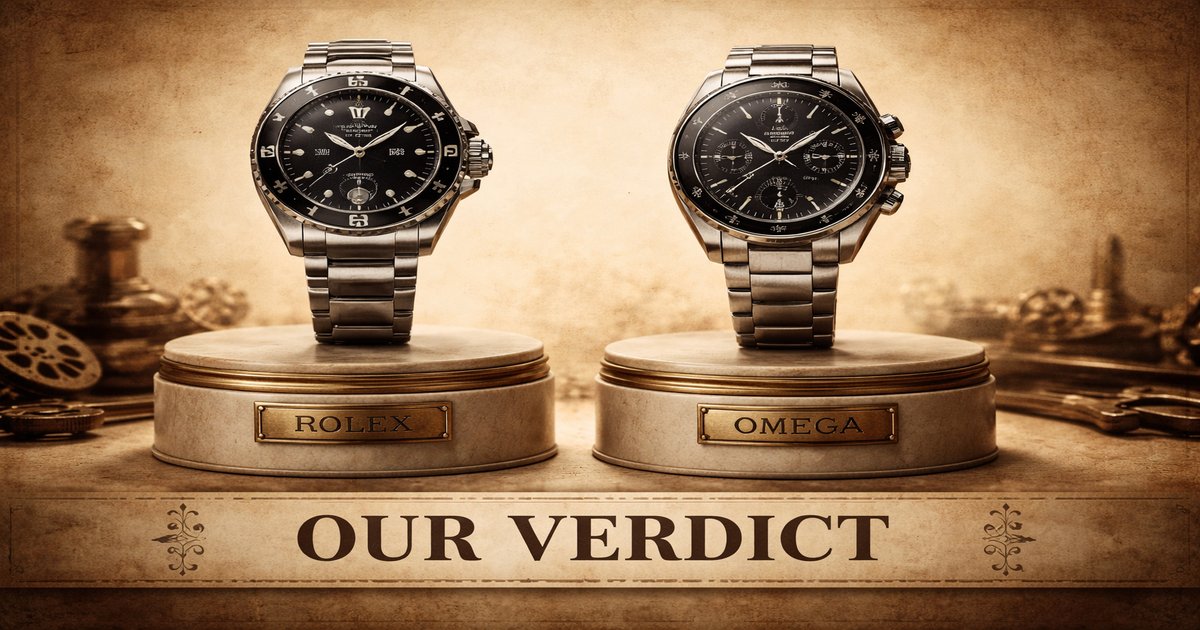
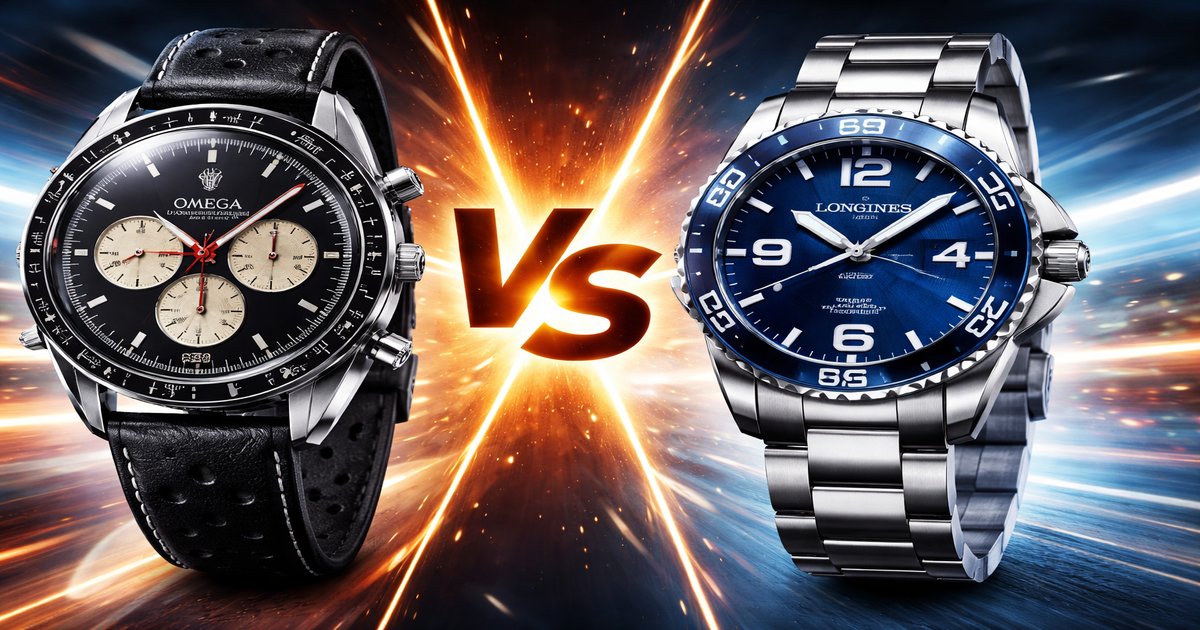
You’re standing at the crossroads of luxury timepieces, torn between two titans: Rolex and Omega. Both are synonymous with prestige and precision, but which one deserves to grace your wrist? Let’s dig into the details that truly matter.
| Feature | Rolex | Omega |
|---|---|---|
| Movement Type | Automatic | Automatic |
| Water Resistance | 100m – 300m | 150m – 600m |
| Material | Oystersteel, Gold, Platinum | Stainless Steel, Ceragold, Sedna Gold |
| Power Reserve | 48 – 70 hours | 48 – 60 hours |
| Price Range | $5,000 – $75,000+ | $3,000 – $45,000+ |
| Chronometer Certification | ✓ | ✓ |
✅ rolex Pros
- Iconic brand reputation and status symbol.
- Exceptional build quality with robust materials.
- Strong resale value and investment potential.
❌ rolex Cons
- Higher price tag than competitors.
- Availability can be an issue—long waitlists.
✅ omega Pros
- Excellent value for money with competitive pricing.
- Wide variety of models and styles.
- Innovative technology such as Co-Axial escapement.
❌ omega Cons
- Resale value isn’t as strong as Rolex.
- Brand prestige isn’t quite at the same level as Rolex.
Performance: Mechanical Prowess and Precision
Rolex and Omega both deliver when it comes to performance, but with nuanced differences. Rolex relies on its Superlative Chronometer certification, which guarantees -2/+2 seconds per day accuracy. Omega, with its Co-Axial escapement, offers reduced friction, thus requiring less maintenance. If you’re after the most precise timekeeping, Rolex edges ahead slightly, but Omega’s innovations are noteworthy for reducing long-term wear.
Build Quality: Materials and Durability
Rolex is known for its Oystersteel and proprietary gold blends, ensuring their watches withstand the test of time and the elements. Omega, with its use of Ceragold and Sedna Gold, offers similar durability but with a modern twist. For ruggedness, Rolex takes the crown with its tested and trusted materials, but Omega’s contemporary materials offer a fresh appeal.
Value: Cost vs Worth
Price is a significant factor. Rolex watches often carry a hefty price tag but also boast higher resale values. They’re an investment piece. Omega offers a more accessible entry into luxury watches with competitive pricing and innovative features. If you value long-term investment, Rolex is your bet. However, for those seeking a luxury watch without breaking the bank, Omega offers substantial value.
Rolex might seem like the ultimate statement piece, but be prepared for waitlists and a premium that often justifies its iconic status. Omega, while not as high on the prestige ladder, offers cutting-edge technology and affordability that make it a solid contender for everyday luxury.
Our Final Verdict: Which One Should You Buy?
If you’re a traditionalist who values prestige and investment potential, Rolex is your match. Its robust build and legendary status make it ideal for collectors and investors. For those who appreciate innovation and value, Omega offers a compelling package with its diverse range of models and competitive pricing. It’s perfect for first-time luxury watch buyers or those who want a modern twist on tradition.
Is Rolex or Omega a better fit for everyday wear?
Both brands offer models suitable for daily wear, but Omega typically offers more affordable and diverse options, making it slightly more accessible for everyday use.
How do Rolex and Omega compare in terms of longevity?
Both brands produce durable watches, but Rolex’s use of proprietary materials gives it a slight edge in terms of long-term durability and resilience.
Are Omega watches a good investment like Rolex?
While Omega doesn’t quite match Rolex’s investment potential, they hold their value well over time, especially limited editions and classic models.





Comments