
 By
By 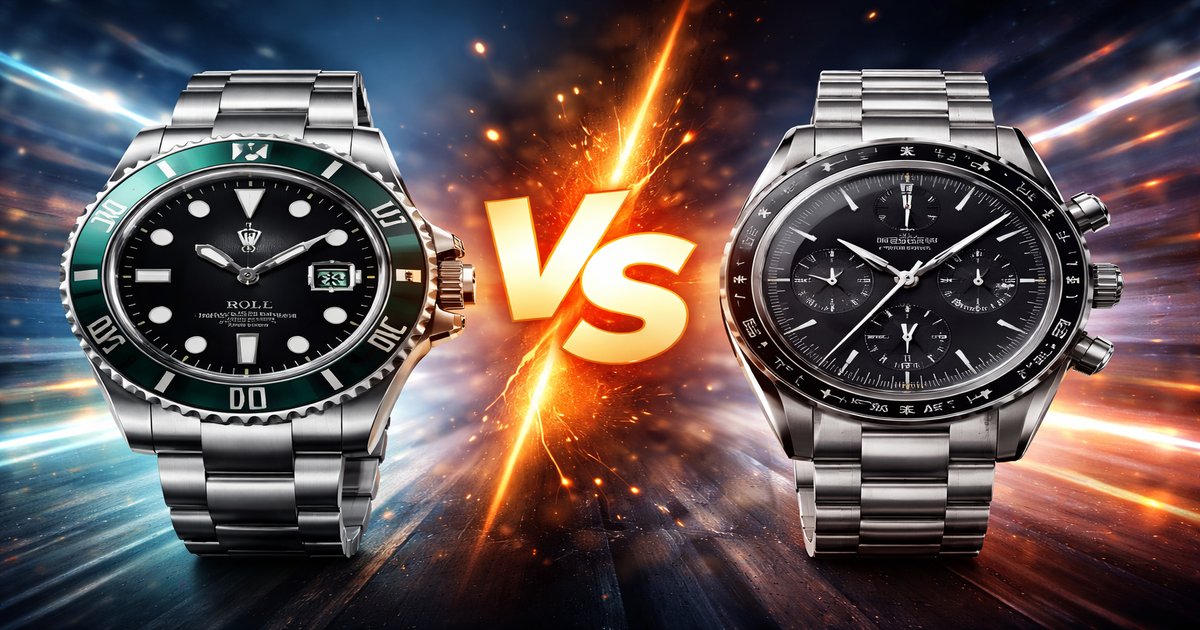
You’re standing at a crossroads: on one side, the sleek, contemporary allure of a Rolex, and on the other, the timeless charm of a vintage Omega. Both are iconic in their own right, but which one truly deserves a spot on your wrist? Let’s break down the differences so you can make the right decision.
| Feature | Rolex | Vintage Omega |
|---|---|---|
| Movement Type | Automatic | Manual/Automatic |
| Water Resistance | 100m+ | 30m – 50m |
| Case Material | Oystersteel, Gold, Platinum | Stainless Steel |
| Price Range | $5,000 – $50,000+ | $1,000 – $15,000 |
| Brand Recognition | ✓ | ✓ |
| Vintage Appeal | ✗ | ✓ |
✅ rolex Pros
- Exceptional build quality and durability.
- High brand prestige and recognition.
- Excellent resale value.
❌ rolex Cons
- Significantly more expensive.
- Less unique as they’re more commonly seen.
✅ vintage omega Pros
- Unique vintage charm and aesthetic.
- More affordable entry into luxury watches.
- Rich history and heritage.
❌ vintage omega Cons
- Limited water resistance.
- Potentially higher maintenance costs.
Performance and Movement
Rolex watches are known for their robust automatic movements, often considered the pinnacle of reliability. Their movements are precise, and the brand’s dedication to quality is evident in every tick. In contrast, vintage Omega watches may feature either manual or automatic movements. While they hold historical significance and charm, they might not match Rolex’s precision and reliability. If you’re looking for consistent performance with minimal upkeep, Rolex has the edge here. However, if you appreciate the tactile experience of winding a manual watch, a vintage Omega might delight you.
Build Quality and Durability
Rolex is synonymous with durability. Crafted from Oystersteel, gold, or even platinum, these watches can handle the rough and tumble of daily life. They offer water resistance upwards of 100 meters, making them ideal for adventurers and water sports enthusiasts. Vintage Omega watches, while sturdy, typically feature stainless steel cases and offer water resistance between 30 and 50 meters. They’re better suited for more casual wear and less demanding environments. If you’re planning on wearing your watch through varied conditions, Rolex is your go-to.
Value and Aesthetic Appeal
Rolex holds its value like few other brands, often appreciating over time, especially limited editions. Their classic designs ensure they never go out of style. Vintage Omega, on the other hand, offers a different kind of value: uniqueness. Each piece has a story, a design that speaks of its era, and a distinct charm. If you value exclusivity and a connection to the past, a vintage Omega will resonate with you. For those who see their watch as an investment, Rolex is the safer bet.
While both brands are legendary, vintage Omega watches can be a bit of a gamble in terms of maintenance. Parts can be hard to come by, and repairs might not be straightforward. Rolex, despite its higher price, offers more peace of mind with its robustness and widespread service availability.
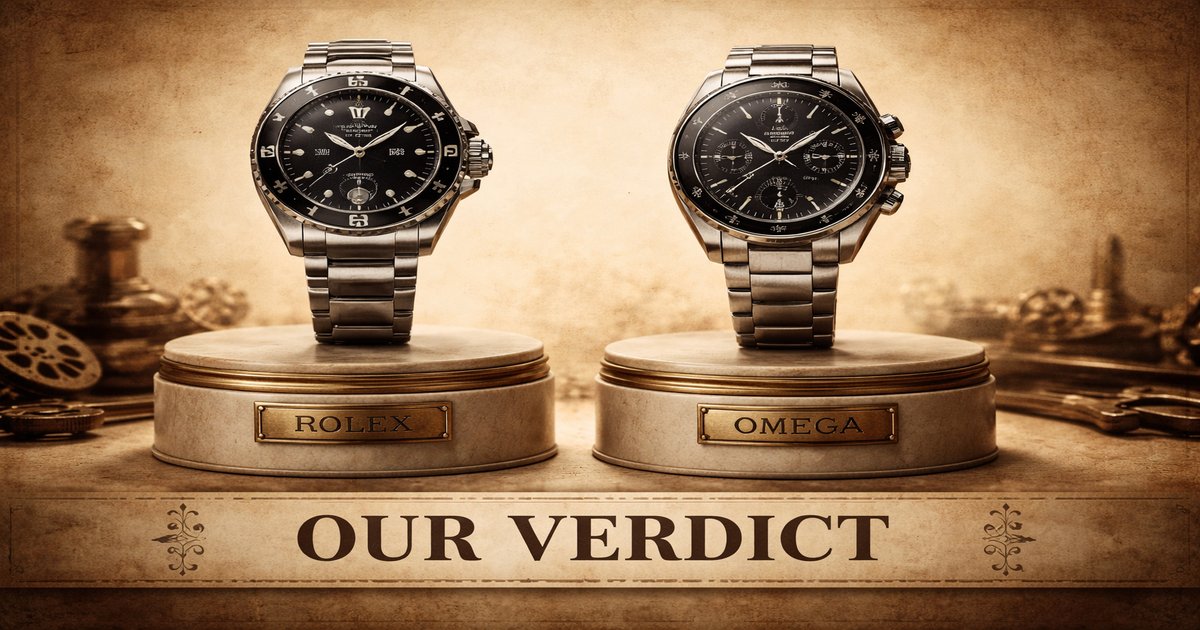
Our Final Verdict: Which One Should You Buy?
If you’re someone who values reliability, prestige, and future resale value, go with a Rolex. It’s a solid choice for those seeking a watch that can handle any situation. However, if you treasure uniqueness, history, and a more personal connection to your timepiece, a vintage Omega is a fantastic choice. It’s perfect for collectors and those who appreciate the stories behind their accessories.
How does the water resistance compare between Rolex and vintage Omega?
Rolex offers superior water resistance, generally starting at 100 meters, making it suitable for swimming and diving. Vintage Omega watches tend to be less water-resistant, typically between 30 and 50 meters, so they’re better for everyday casual wear.
Are vintage Omega watches a good investment?
While they might not appreciate like Rolex, vintage Omega watches offer great value for collectors and can appreciate over time if well-maintained, especially rare models.
What about maintenance and repair costs?
Rolex watches are easier to service globally due to widespread availability of parts and certified service centers. Vintage Omega might require more specialized care, potentially leading to higher costs and longer repair times.


Comments