
 By

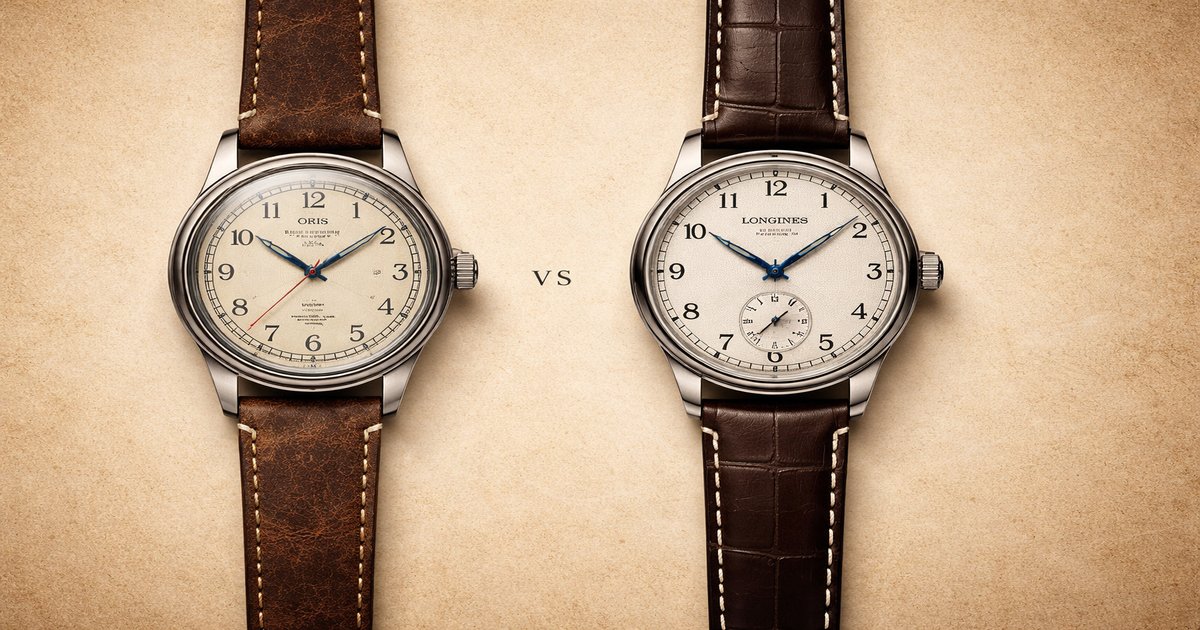
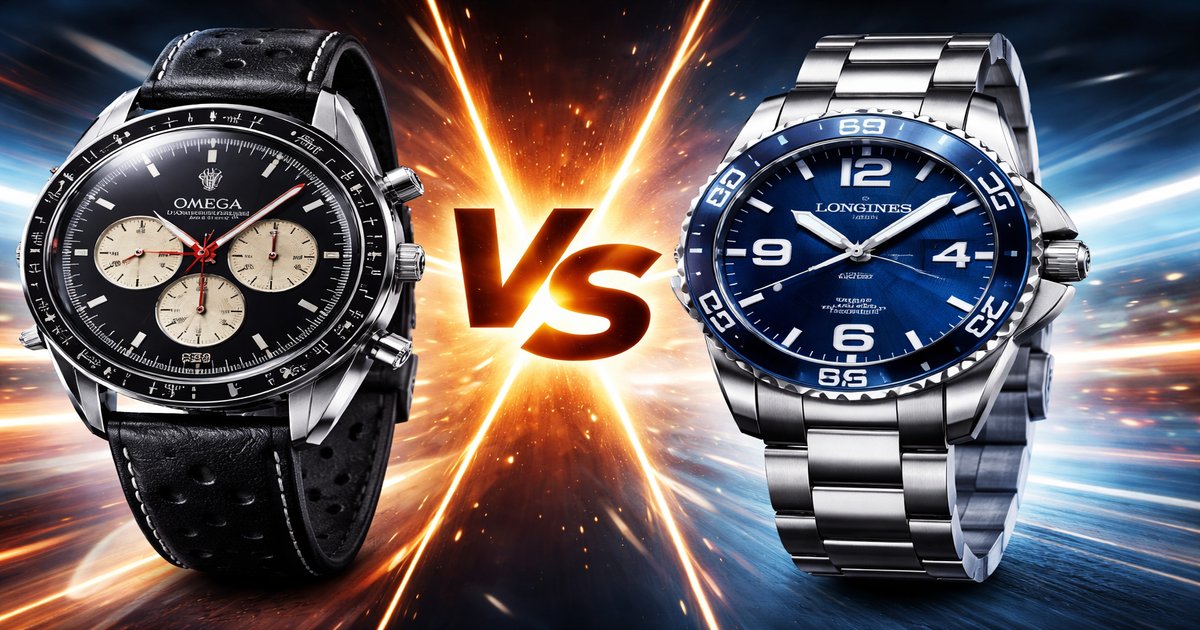
So you’re in the market for a watch that doesn’t just tell time but tells a story. Maybe you’re drawn to the legacy of vintage Longines or the cutting-edge craftsmanship of Omega. Let’s break down how these two heavyweights measure up and help you make the right choice.
| Feature | Omega | Vintage Longines |
|---|---|---|
| Movement Type | Co-Axial Automatic | Manual/Automatic (varies by model) |
| Water Resistance | 300 meters | 30 meters |
| Case Material | Stainless Steel | Stainless Steel/Gold (varies by model) |
| Crystal Type | Sapphire | Acrylic/Sapphire (varies by model) |
| Price Range | $4,500 – $10,000 | $1,500 – $5,000 |
| Availability | ✓ | ✗ (depends on collector availability) |
✅ omega Pros
- High water resistance suitable for diving
- Modern Co-Axial movement for precision
- Durable sapphire crystal
❌ omega Cons
- High price point
- Heavier on the wrist due to robust build
- Less unique; more common in the market
✅ vintage longines Pros
- Unique vintage appeal
- More affordable entry point
- Potential investment value
❌ vintage longines Cons
- Limited water resistance
- Variable condition due to age
- Availability can be hit or miss
Performance: Precision vs. Personality
Omega delivers in performance, thanks to its Co-Axial movement which offers incredible accuracy and requires less maintenance. This is a watch you can wear in any environment, from the boardroom to the open seas. On the other hand, Vintage Longines offers mechanical artistry that’s more about personality than precision. If you’re into the charm of a watch with a soul, the manual winding and the slight tick-tock might be what you’re after. Just remember, it won’t compete in accuracy with Omega’s high-tech innards.
Build Quality: Robustness vs. Elegance
Omega is built like a tank, with its stainless steel case and sapphire crystal making it almost indestructible. You’ll feel its presence, both in weight and durability. Vintage Longines offers a different kind of allure with its varied materials, including gold and acrylic, giving it an elegance that’s less about ruggedness and more about sophistication. You might have to baby it a bit more, but that’s part of its charm.
Value: Upfront Cost vs. Long-term Investment
Omega’s upfront cost is steep, but you’re paying for cutting-edge technology and reliability. It’s a buy-once, cry-once scenario. Vintage Longines, meanwhile, can be a hidden gem in the long-term investment game. With its lower entry price, there’s potential for appreciation, especially if you snag a rare model in good condition. Just be prepared to hunt and possibly pay for restoration.
Beyond the brochures and Instagram glamour shots, Omega’s heavy build might feel cumbersome if you’re not used to a substantial watch. Vintage Longines, while often more affordable, could lead you down a rabbit hole of maintenance due to its age. Be ready for potential surprises if you go the vintage route.
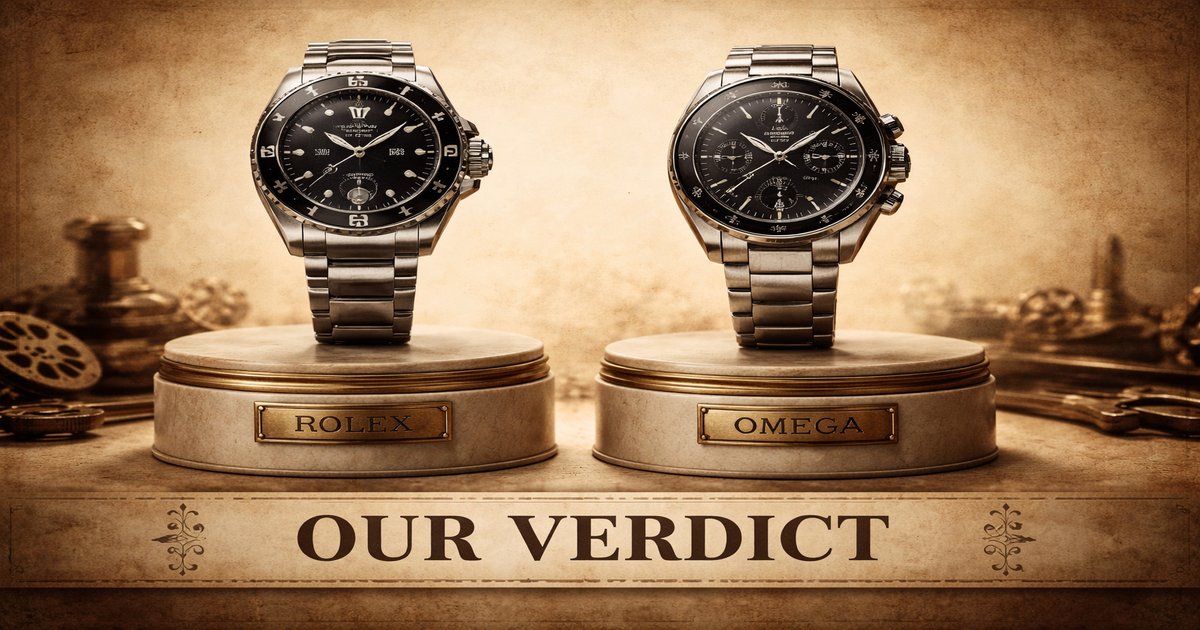
Our Final Verdict: Which One Should You Buy?
If you’re the kind of person who craves reliability and modern craftsmanship, Omega is your go-to. It’s perfect for someone who wants a watch that can handle anything and still look sharp. However, if you have a taste for history and a bit of adventure in your buying process, Vintage Longines is your match. Ideal for those who appreciate the charm of a timepiece with stories to tell and don’t mind a little elbow grease in maintaining a classic.
Is Omega suitable for diving?
Yes, Omega watches, especially models like the Seamaster, are highly suitable for diving with water resistance up to 300 meters.
How durable is a Vintage Longines watch?
Durability varies with age and model. While not as rugged as modern watches, many are well-built and can last with proper care.
Which offers better value, Omega or Vintage Longines?
Omega offers value in performance and technology, while Vintage Longines can be valuable as a collectible and potential investment.



Comments