
 By
By 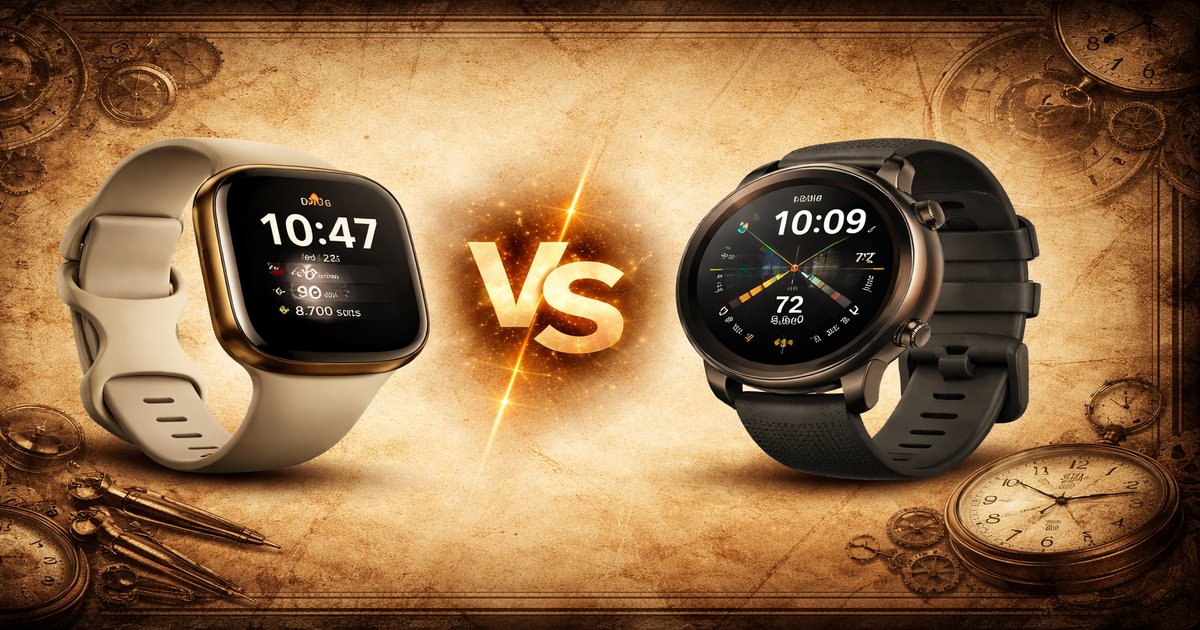
You’ve finally decided to join the fitness bandwagon, and now you’re stuck between Fitbit and Amazfit. Both promise to track your steps, but which one actually helps you meet your fitness goals without turning into a glorified bracelet?
| Feature | Fitbit | Amazfit |
|---|---|---|
| Battery Life | 5-7 days | 14-24 days |
| Heart Rate Monitor | ✓ | ✓ |
| Built-in GPS | Only in certain models | ✓ |
| Water Resistance | 50m | 50m |
| Price Range | $100-$300 | $50-$200 |
| App Compatibility | iOS, Android | iOS, Android |
✅ fitbit Pros
- Comprehensive fitness tracking ecosystem
- Well-designed user interface
- Strong community support and challenges
❌ fitbit Cons
- Shorter battery life
- More expensive
✅ amazfit Pros
- Long-lasting battery life
- More affordable
- Built-in GPS in most models
❌ amazfit Cons
- Less intuitive app interface
- Limited third-party app integrations
Performance: Battery Life and Tracking Accuracy
When it comes to battery life, you can’t beat Amazfit. If you’re tired of constantly charging devices, their 14-24 day battery life is a game-changer. For basic step and heart rate tracking, both brands are solid, but Fitbit edges out Amazfit with more reliable and consistent readings. You get what you pay for here; the additional cost of Fitbit models tends to reflect more accurate sensors and better calibration.
Build Quality and User Experience
Fitbit nails the user experience with an intuitive app and a robust ecosystem. The build quality feels more premium, and the device is comfortable to wear all day. Amazfit, while not cheap-feeling, doesn’t quite have the same polish. The app interface can feel a bit clunky, especially if you’re used to seamless experiences. However, if you’re just looking for straightforward stats without extra frills, Amazfit does the job.
Value for Money: What Do You Really Get?
If you’re on a budget, Amazfit offers a lot of bang for your buck, especially considering the built-in GPS and long battery life. But if you’re someone who values a more integrated fitness experience with community challenges and a more comprehensive app, Fitbit might justify its higher price. They both offer value, but it depends on what you prioritize — longevity or ecosystem.
What most reviews miss is how reliant Fitbit is on its app for data interpretation; without it, the device is just a fancy pedometer. Amazfit lacks a strong community aspect, which might make it harder to stay motivated if you’re someone who thrives on social accountability.
Our Final Verdict: Which One Should You Buy?
If you’re an entry-level user or on a tight budget, Amazfit is your go-to. It’s affordable, has amazing battery life, and covers all the basics. However, if you’re serious about fitness and want a device that integrates seamlessly into a comprehensive fitness ecosystem, spend the extra dollars on a Fitbit. It’s best for anyone who needs that extra push and values a polished user experience.
Is Fitbit or Amazfit more comfortable for small wrists?
Fitbit generally offers more options for smaller wrists with customizable bands, while Amazfit models can be bulkier.
Can I use these trackers with my Android phone?
Yes, both Fitbit and Amazfit are compatible with Android and iOS, though Fitbit offers more third-party app integrations.
Which device is more durable for outdoor activities?
Both are water-resistant up to 50 meters, but Fitbit has a slightly better build quality, making it more durable for tough outdoor conditions.













Comments