
 By
By 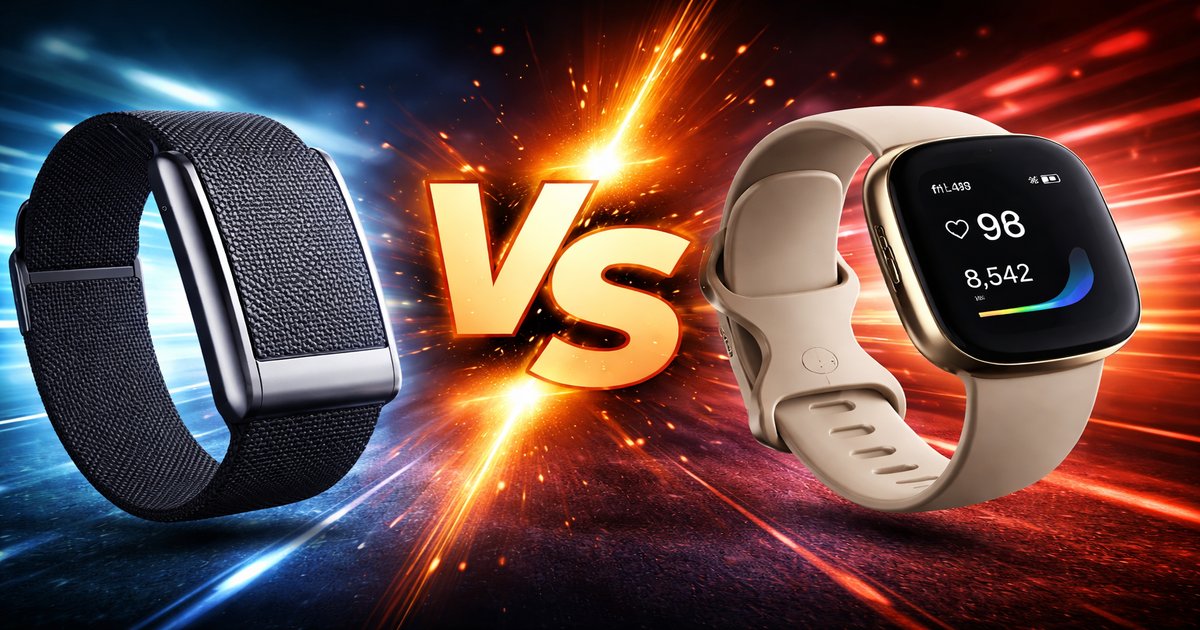
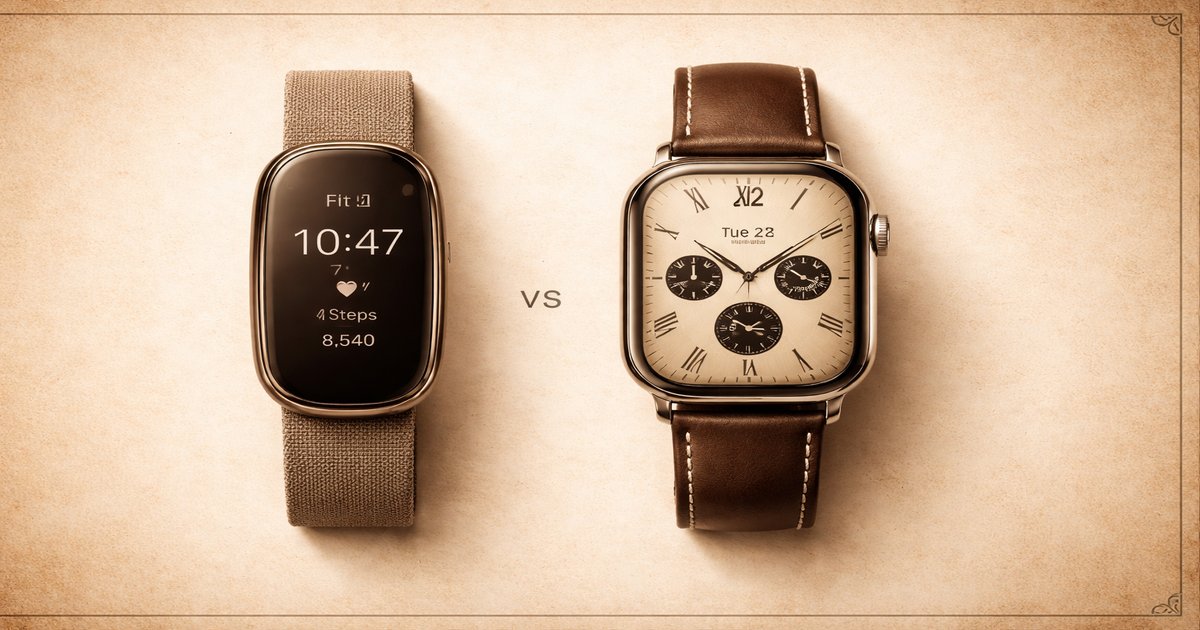
You’ve decided it’s time to step up your fitness game and want the best wearable to track your progress. Do you go with Whoop, the sleek, membership-based tracker that promises detailed recovery insights, or Fitbit, the household name with a reputation for reliability and a wide range of features?
| Feature | Whoop | Fitbit |
|---|---|---|
| Monthly Subscription Required | ✓ | ✗ |
| Heart Rate Monitoring | ✓ | ✓ |
| Sleep Tracking | ✓ | ✓ |
| Battery Life | 5 Days | Up to 7 Days |
| GPS | ✗ | ✓ |
| Water Resistance | Up to 10m | Up to 50m |
| Price Range | $30/month | $100-$300 |
✅ whoop Pros
- Excellent recovery and strain tracking.
- No upfront hardware cost.
- Continuous heart rate monitoring with detailed insights.
❌ whoop Cons
- Requires a monthly subscription.
- No built-in GPS.
- Limited water resistance.
✅ fitbit Pros
- Affordable with no subscription required.
- Built-in GPS for outdoor activities.
- Exceptional battery life.
❌ fitbit Cons
- Upfront hardware cost can be high for premium models.
- Recovery tracking less detailed than Whoop.
Performance and Health Insights
When it comes to detailed performance insights, Whoop is the undisputed champion. It goes beyond simple activity tracking by focusing on recovery and strain, offering tailored insights into how your body is coping with workouts. If you’re serious about optimizing your performance and recovery, Whoop’s data-driven approach is deeply insightful. Fitbit, while comprehensive in its own right, lacks the depth of Whoop’s recovery metrics but compensates with a broader range of features, making it ideal for those who want an all-around fitness tracker.
Build Quality and Design
Whoop’s minimalist design focuses on comfort and ease of wear, especially during sleep. It fits snugly and discreetly, which is great for 24/7 tracking. However, its lack of a display might be a turn-off if you like instant access to your metrics. Fitbit, on the other hand, offers various models, from sleek and stylish to robust and rugged, complete with vibrant displays that provide real-time data at a glance. Fitbit’s build quality is consistently strong, with waterproofing that caters to swimmers and outdoor enthusiasts.
Value for Money
With Whoop, you’re essentially renting the hardware with a subscription, which can be cost-effective if you value continuous updates and don’t mind a monthly fee. It’s a great choice if you’re focused on performance metrics. Fitbit offers a more traditional purchase model, where once you buy the device, it’s yours to use with no additional fees unless you opt for premium features. This makes Fitbit a more budget-friendly option in the long run, especially if you’re not interested in the nitty-gritty of recovery and strain.
Whoop’s subscription model can be a sneaky expense if you’re not committed to using it long-term. Its lack of a built-in GPS is a glaring omission for outdoor runners. Fitbit, while versatile, doesn’t match Whoop’s depth for serious athletes, and its premium models can get pricey quickly, especially if you’re eyeing the advanced features.
Our Final Verdict: Which One Should You Buy?
If you’re a dedicated athlete focused on maximizing performance and recovery, Whoop is your go-to choice. Its detailed strain and recovery insights are unmatched. For those seeking a versatile, feature-rich tracker without ongoing costs, Fitbit is the ideal pick, offering excellent value for casual users and fitness enthusiasts alike.
Is Whoop compatible with all smartphones?
Whoop is compatible with both iOS and Android devices, but it’s always good to check the app requirements for your specific phone model.
How does Fitbit compare in terms of longevity?
Fitbits are known for their durability and can last several years, especially with regular software updates and careful handling.
Does Whoop’s subscription include hardware upgrades?
Yes, when Whoop releases a new hardware version, subscribers typically receive the updated device without additional cost.
















Comments