
 By
By 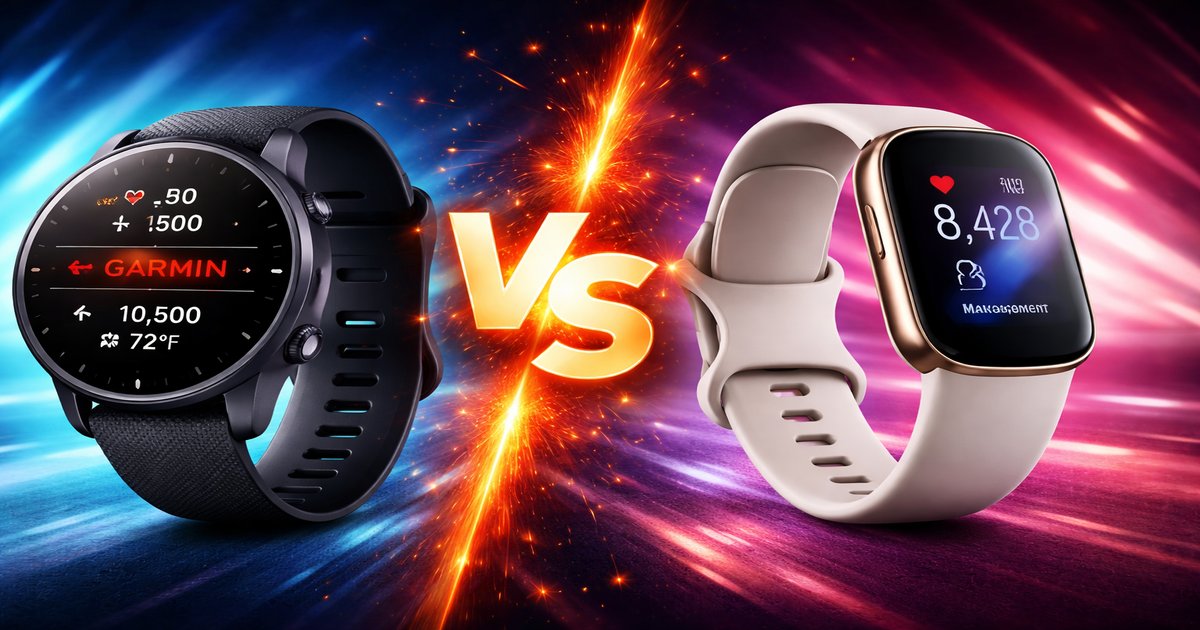
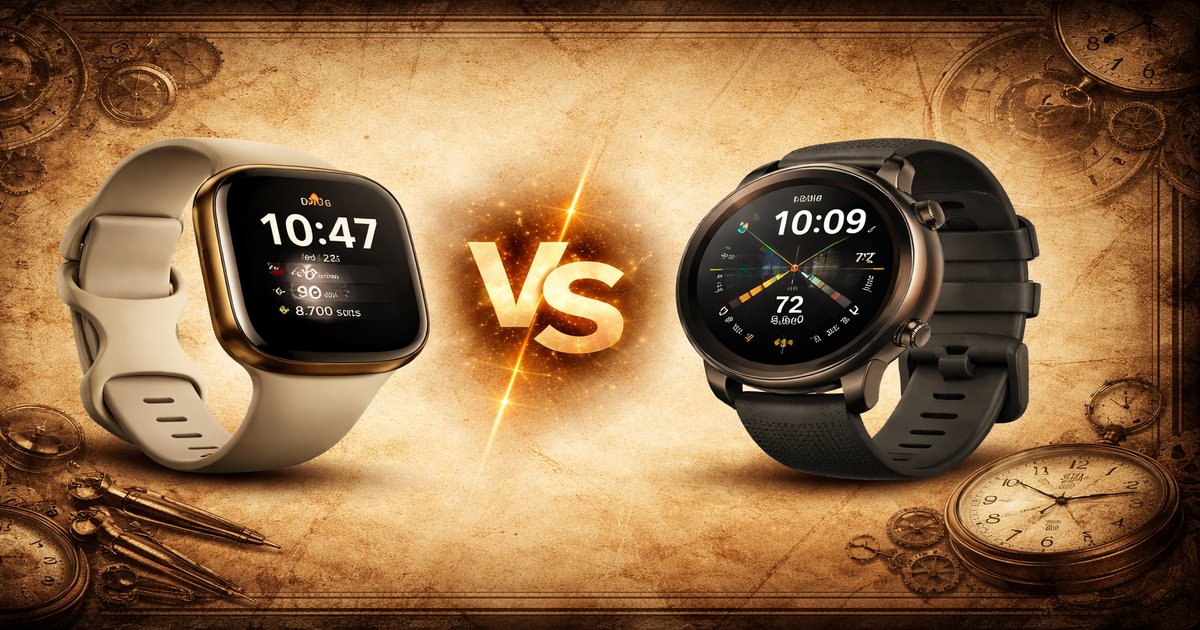
You’re on the hunt for a fitness tracker, trying to decide between Garmin’s robust features and Fitbit’s user-friendly interface. Whether you’re a hardcore triathlete or just want to track your daily steps, making the right choice can keep you motivated and on track with your fitness goals.
| Features | Garmin | Fitbit |
|---|---|---|
| GPS | ✓ | ✓ |
| Heart Rate Monitoring | ✓ | ✓ |
| Battery Life (Days) | 7-14 | 4-6 |
| Water Resistance | 50 meters | Water-resistant to 50 meters |
| Smartphone Notifications | ✓ | ✓ |
| Music Storage | ✓ | ✗ |
✅ garmin Pros
- Superior GPS accuracy and tracking features.
- Long-lasting battery life, up to two weeks on some models.
- Extensive customization with advanced metrics for serious athletes.
❌ garmin Cons
- Steeper learning curve, not as intuitive for beginners.
- Higher price point compared to Fitbit.
✅ fitbit Pros
- Easy to use interface, perfect for fitness tracking newcomers.
- Strong community and social features to keep you motivated.
- Generally more affordable than Garmin.
❌ fitbit Cons
- Shorter battery life, requiring more frequent charges.
- Limited advanced metrics for athletes needing detailed stats.
Performance
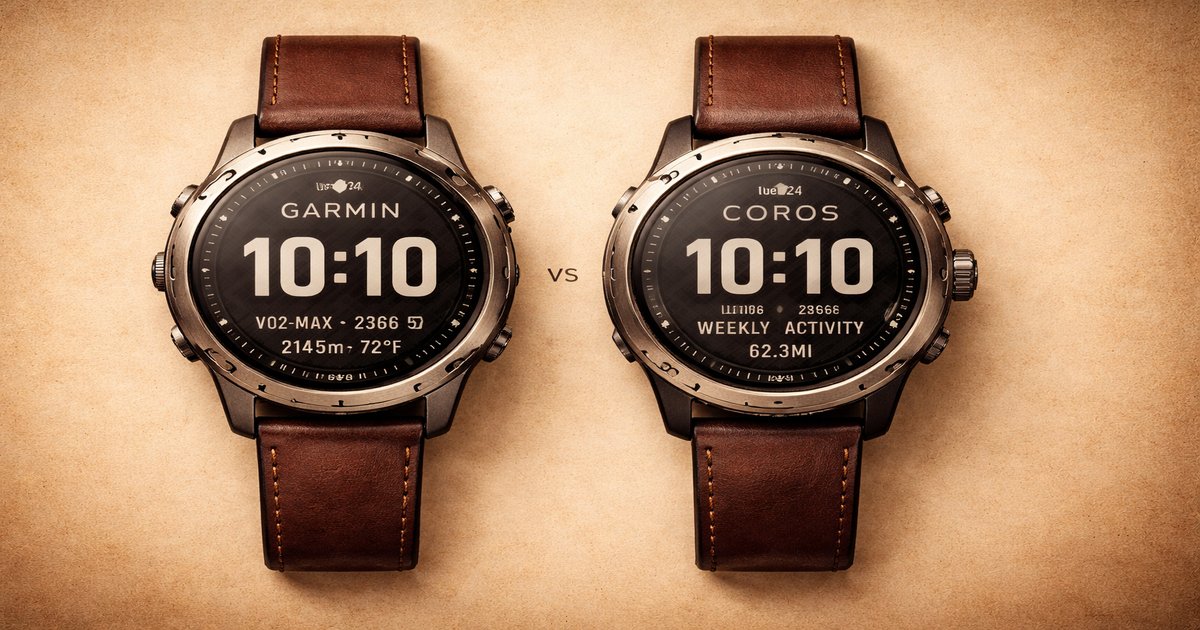
Garmin devices excel in performance, especially if you’re serious about running, cycling, or swimming. Their GPS accuracy is top-notch, making them ideal for outdoor activities. Garmin watches also offer advanced metrics like VO2 max, cadence, and recovery time, which cater to athletes who demand detailed feedback. Fitbit, while keeping things simple and effective, doesn’t offer the same level of detail. It’s perfect for tracking daily activities, sleep, and heart rate without overwhelming you with data.
Build Quality and Design
Garmin watches are built like tanks, designed to withstand the harsh conditions of outdoor adventures. The materials used often include durable metals and reinforced glass, ensuring longevity even under stress. Fitbit, on the other hand, focuses on comfort and style, offering sleek designs that blend well with everyday wear. While not as rugged as Garmin, Fitbits are lightweight and comfortable, making them ideal for everyday use and sleep tracking.
Value for Money
If you’re looking for value, Fitbit offers a comprehensive set of features at a more accessible price. It’s a gateway into fitness tracking without breaking the bank. However, if you’re ready to invest in high-end features for serious training, Garmin provides excellent value for the money spent. It’s not just about tracking steps or calories; it’s about having a digital coach on your wrist.
Most reviews don’t tell you that Fitbit’s social features can become intrusive if you’re not into sharing fitness data. Garmin’s detailed metrics can be overwhelming if you just want basic stats. Both brands have ecosystems that might lock you into their platforms, so consider your long-term commitment.
Our Final Verdict: Which One Should You Buy?
Garmin is your go-to if you’re a dedicated athlete or outdoor enthusiast who needs precise metrics and robust features. It’s for those who take their training seriously and want their gear to reflect that. Fitbit, however, is perfect for casual users, beginners, or anyone wanting to improve their health with a straightforward interface and a supportive community. Choose based on your fitness goals and how deeply you want to dive into your data.
Is the Fitbit compatible with all smartphones?
Yes, Fitbit is compatible with most iOS and Android devices. However, always check the specific model’s compatibility before purchasing.
How durable are Garmin watches?
Garmin watches are built to be highly durable, often featuring reinforced materials that withstand harsh environments, making them great for outdoor use.
Is the investment in a Garmin worth it for a casual user?
If you’re not into high-level metrics or serious training, a Garmin might be overkill. Consider it if you plan to expand your fitness activities in the future.







Comments