
 By
By 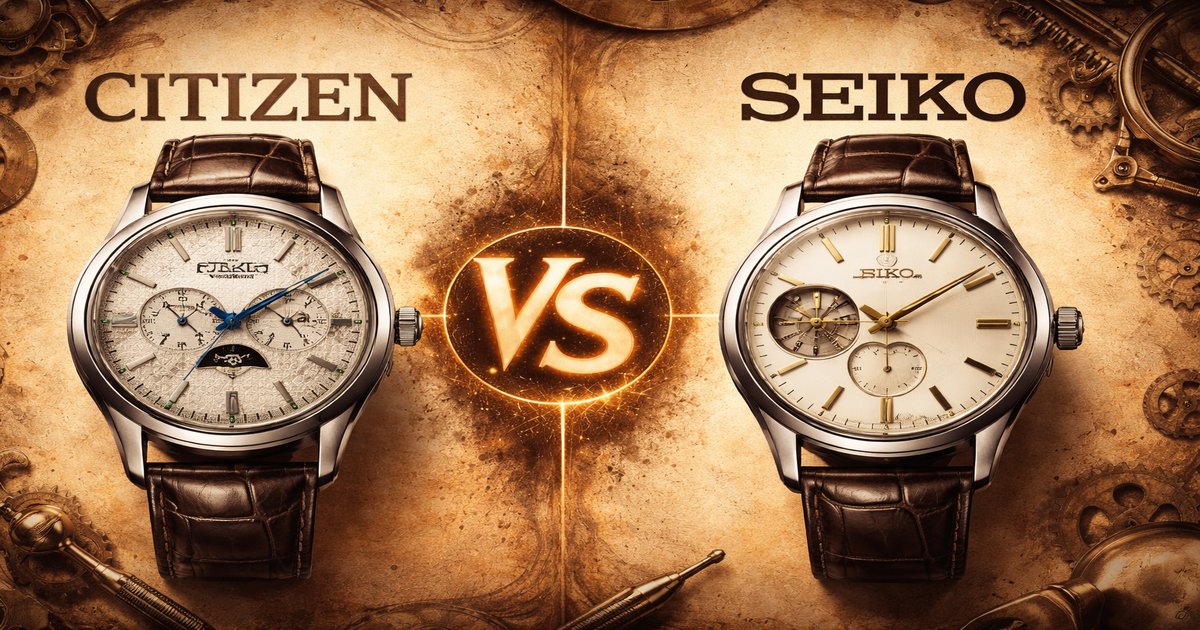
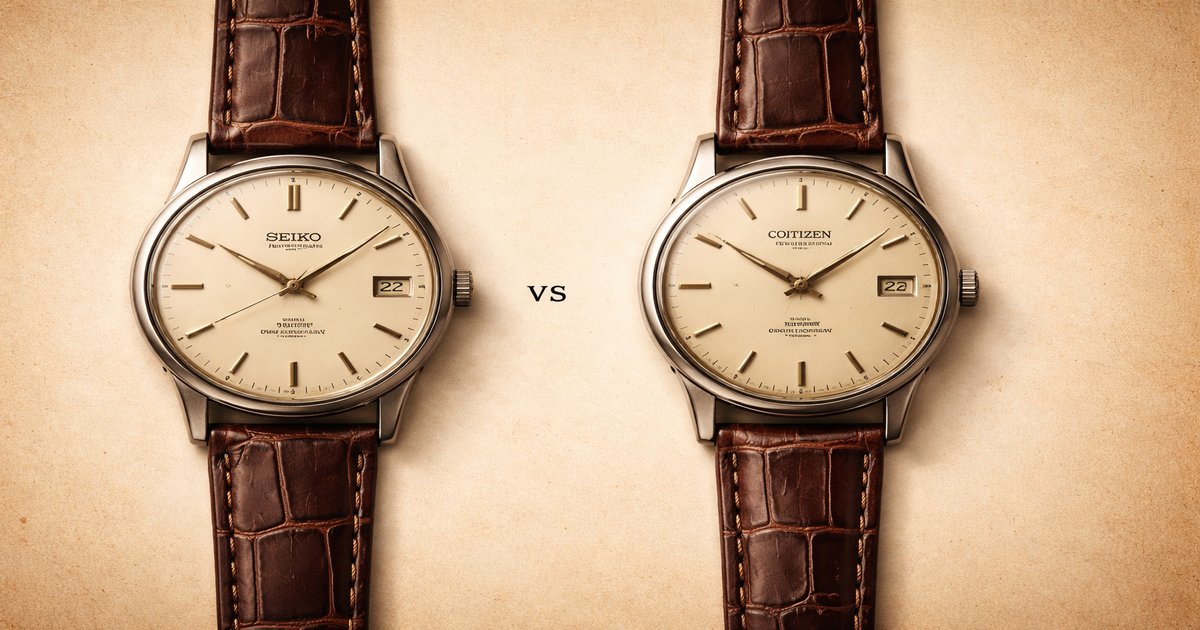
You’re stuck between a Citizen and a Seiko, both titans in the watch world. Whether you’re after a reliable everyday piece or a stylish statement for special occasions, both brands offer compelling options. So, which one deserves a spot on your wrist?
| Feature | Citizen | Seiko |
|---|---|---|
| Movement Type | Eco-Drive (solar) | Automatic/Quartz |
| Water Resistance | 100m – 300m | 100m – 200m |
| Case Material | Stainless Steel/Titanium | Stainless Steel |
| Price Range | $200 – $800 | $100 – $700 |
| Luminosity | ✓ | ✓ |
| Sapphire Crystal | ✓ (select models) | ✓ (select models) |
| Warranty | 5 years | 3 years |
✅ Citizen Pros
- Eco-Drive technology means no battery changes.
- Greater water resistance options for divers.
- Longer warranty period.
❌ Citizen Cons
- Higher price point on average.
- Limited style variations compared to Seiko.
- Less known for high-end mechanicals.
✅ Seiko Pros
- More affordable entry-level options.
- Variety of movements (automatic, quartz).
- Stylish designs appealing to a broad audience.
❌ Seiko Cons
- Shorter warranty period.
- Lower water resistance in some models.
- Battery changes required for quartz models.
Performance: Movement and Reliability
Citizen’s Eco-Drive technology is a game changer if you despise battery changes. The solar charging system keeps your watch running smoothly as long as you see daylight occasionally. Seiko, on the other hand, offers diversity with automatic movements that watch enthusiasts adore for their craftsmanship and quartz for everyday reliability. If you want mechanical elegance, Seiko has more to offer, but for low-maintenance operation, Citizen is a hassle-free choice.
Build Quality: Materials and Durability
Both brands use stainless steel extensively, but Citizen ups the ante with titanium options, offering durable yet lightweight alternatives. This is perfect if you want something robust but less hefty on your wrist. Seiko’s stainless steel models are well-finished and sturdy, but if you value a bit more resilience and are willing to pay for it, Citizen’s titanium watches are hard to beat. Both brands offer sapphire crystal on select models for scratch resistance, which is a nice touch.
Value: Cost vs. Features
Seiko is the go-to for those wanting a stylish, reliable watch without breaking the bank. Their offerings in the sub-$300 range are fantastic value, with designs that don’t look cheap. Citizen’s price is justified by the Eco-Drive’s no-battery appeal and higher water resistance, ideal if you want a more robust timepiece. If your budget stretches further, Citizen’s higher-end models deliver more tech and durability, but Seiko wins for sheer variety and affordability.
Citizen and Seiko both make excellent watches, but don’t expect luxury-grade finishing at these prices. Citizen’s Eco-Drive is fantastic, but if you’re in the cave-diving business, ensure you get the models with the higher water resistance. Seiko’s automatics are great until you realize they might need periodic servicing to maintain accuracy.
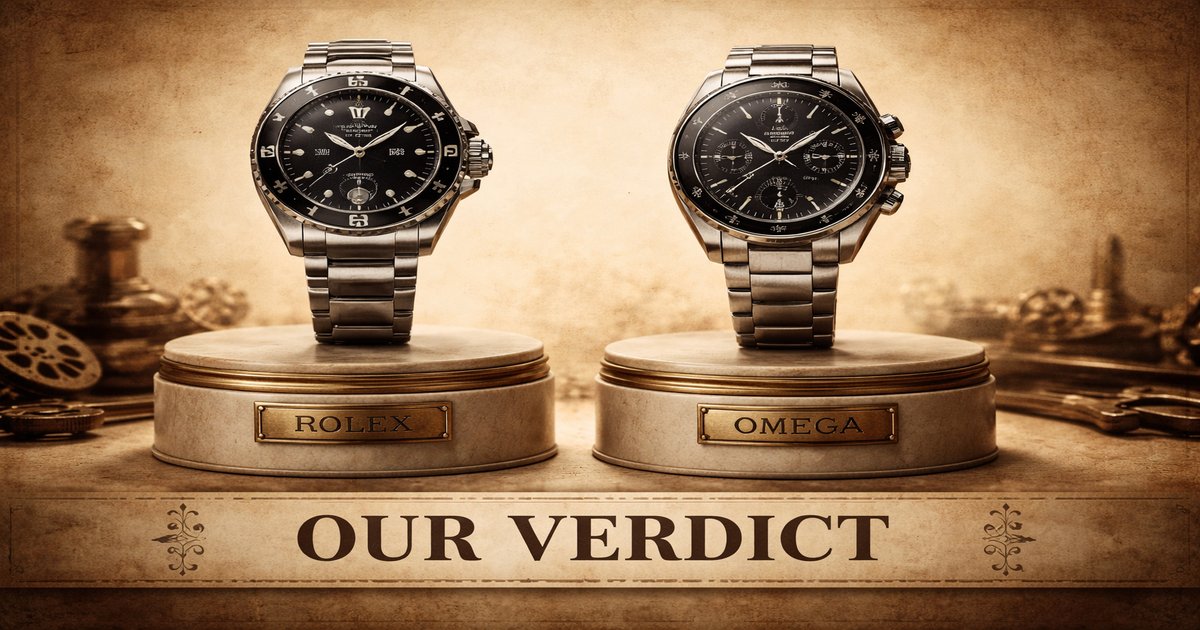
Our Final Verdict: Which One Should You Buy?
Choose Citizen if you want a watch that requires minimal maintenance and offers higher water resistance, perfect for the active outdoorsy type or the forgetful who hate battery changes. Opt for Seiko if you’re budget-conscious or a budding watch enthusiast who appreciates the intricacies of automatic movements and wants a stylish watch for less.
Is Citizen’s Eco-Drive reliable in low-light conditions?
Yes, Eco-Drive watches can store enough energy to run for months, even in complete darkness, after a full charge.
How often should I service a Seiko automatic watch?
Seiko recommends servicing every 3 to 5 years to maintain accuracy and longevity, though many users find this can be stretched with proper care.
Are Sapphire crystals standard in both brands?
No, sapphire crystals are available in select models for both Citizen and Seiko, often in their higher-end lines.






Comments