
 By
By Timeless Transformations: The Journey from Mechanical marvels to Smart Timekeepers
In a world where seconds can dictate success and innovation beats the clock,the evolution of timekeeping reflects humanity’s relentless quest for precision and efficiency. What began as simple sundials and intricate hourglasses has undergone a remarkable transformation, ushering in an era where mechanical marvels-delicate gears, springs, and winding mechanisms-have made way for the brilliance of smart technology. This article embarks on a fascinating exploration of how the humble watch, once a symbol of craftsmanship and art, has adapted to the digital age. From the ticking of brass escapements to the silent synchronization of atomic signals, we unravel the journey that has redefined our relationship with time, blending tradition with cutting-edge advancements. Join us as we delve into the past, present, and future of these remarkable timekeepers, highlighting the timelessness of thier transformations.
The Evolution of Timekeeping: From Gears to gadgets
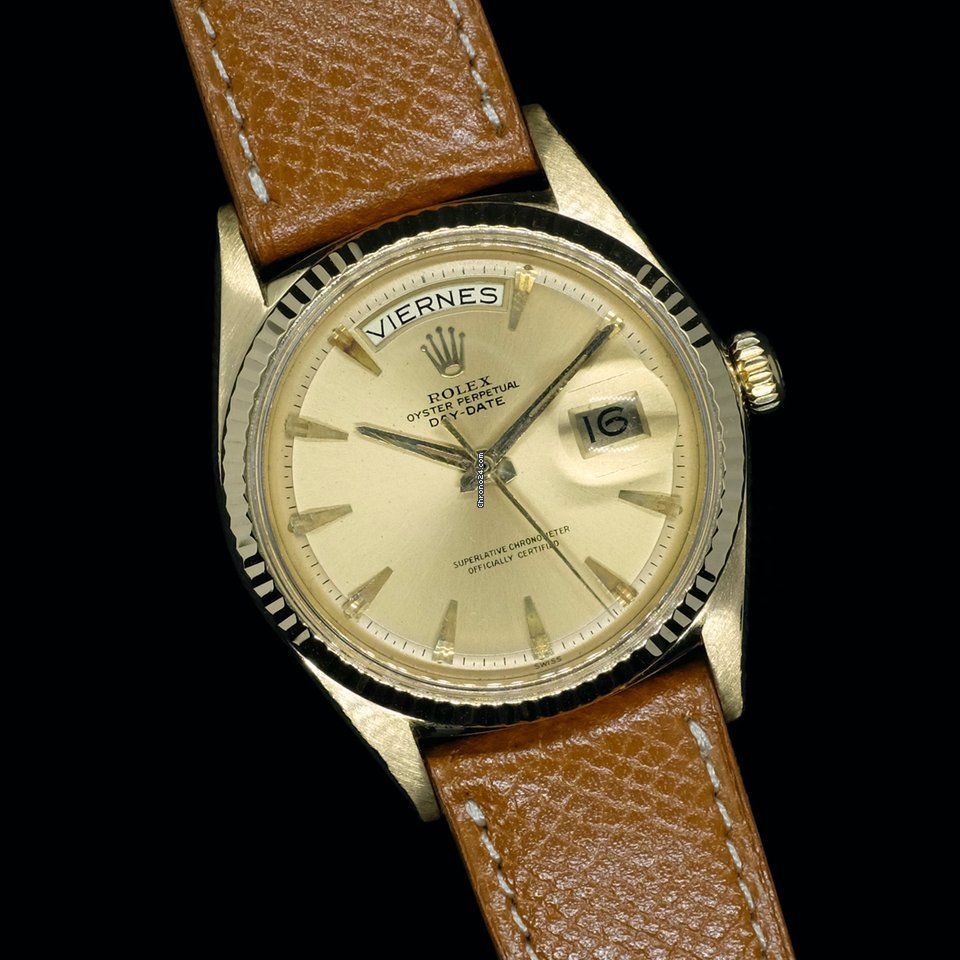
The journey of humanity’s quest to measure time has transitioned dramatically over centuries, evolving from intricate mechanical devices to refined electronic gadgets. Initially, timekeeping was a laborious endeavor that involved the use of natural phenomena-sundials harnessing sunlight or hourglasses measuring the flow of sand. As societies advanced, the introduction of gears and springs revolutionized time measurement, giving rise to remarkable inventions such as the mechanical clock in the 14th century. These stunning mechanical marvels captivated observers with their elaborate designs and precise movements, marking a pivotal moment where time itself became an object of engineering. The art of horology flourished, and watches adorned the wrists of the elite, symbolizing not only wealth but also the pursuit of precision and knowledge in an increasingly measured world.
With the dawn of the 20th century, the evolution of timekeeping embraced technology at an unprecedented pace. The introduction of quartz movement in the 1960s provided an accuracy revolution with minimal cost, leading to the proliferation of digital clocks and wristwatches. Today, the landscape is dominated by smart devices that seamlessly integrate advanced functionalities beyond just telling time. These contemporary gadgets boast features like health monitoring, connectivity, and customizable notifications, reflecting our modern lifestyle’s demands. The transformation can be summarized in the table below, encapsulating key milestones in timekeeping technology:
| Era | Technology | Key Feature |
|---|---|---|
| Ancient | Sundials | Utilizes sunlight for time tracking |
| Middle Ages | Mechanical Clocks | Gears and escapements for accuracy |
| 20th Century | Quartz Watches | High accuracy at low cost |
| Present | Smartwatches | Integration with technology and health tracking |
Unlocking the Features: How Smart Technology Redefines Our Relationship with Time
In an era defined by rapid technological advancements, the evolution of timekeeping has undergone a fascinating transformation.Gone are the days when we solely relied on mechanical marvels; smart technology has redefined our concept of time through seamless integration into our daily lives. With the advent of smartwatches, timers, and digital reminders, we have gained more control and insight into our schedules than ever before. These gadgets have not only enhanced our punctuality but have also introduced features such as:
- Personalized Alerts: Tailored notifications that remind us of vital tasks just when we need them.
- Health Monitoring: Wearables that track fitness metrics, helping us to allocate time for wellness.
- Time Analytics: Insights into how we spend our day, facilitating better time management.
Furthermore, the synergy between smart technology and timekeeping allows for greater connectedness in our multitasking world. Smart devices synchronize with each other, ensuring that reminders, calendar events, and tasks are never missed. They provide a extensive view of our commitments across different platforms, effectively merging work and personal life while minimizing overwhelm. The innovative features of today’s timekeepers can be summed up in the table below, showcasing the contrast between traditional and modern approaches:
| Traditional Timekeeping | Smart Timekeeping |
|---|---|
| Analog Watches | Smartwatches with Notifications |
| Manual Alarms | Smart Reminders with Siri/Alexa |
| Paper Planners | Integrated Calendar Apps |
Navigating the Future: Recommendations for Choosing Your Next Timepiece
As you embark on the quest to acquire your next timepiece, it’s essential to consider what resonates with your lifestyle and preferences.Not all watches are created equal; the transition from classic mechanical marvels to cutting-edge smart timekeepers calls for thoughtful deliberation. Here are some key factors that can guide your selection process:
- Purpose: Identify the primary function of the watch. Is it for daily wear, special occasions, or fitness tracking?
- Style: Consider whether you lean towards vintage aesthetics, modern minimalism, or vibrant tech-forward designs.
- Budget: Define your financial boundary. High-end options can be alluring, but substantial value can be found in mid-range selections.
- Features: Think about functionalities you genuinely need, such as durability, water resistance, or smartwatch capabilities.
To further assist in your decision-making,here’s a quick comparison of notable features between traditional and smart watches:
| Feature | Traditional Watches | Smart Watches |
|---|---|---|
| Battery Life | Years or decades | Days to a week |
| Customization | Limited to design and straps | Apps and watch faces |
| Durability | High (if well-maintained) | Varies widely |
| Connectivity | No | Bluetooth and Wi-Fi enabled |
By weighing these elements with clarity,you can pinpoint a timepiece that not only complements your identity but also poses as a functional accessory. Whether you’re aiming for vintage charm or the modern touch of technology, a discerning choice will surely become a steadfast companion on your wrist.
Wrapping Up
As we close the chapter on our exploration of “Timeless Transformations: The journey from Mechanical Marvels to Smart Timekeepers,” it’s clear that the evolution of timekeeping reflects more than just technological advancements; it embodies humanity’s inherent curiosity and desire for precision.From the intricate gears and springs that once ruled our days to the sleek digital displays that now accompany us everywhere,the art of measuring time has undergone a profound metamorphosis.
This journey has been marked by innovation, creativity, and a relentless pursuit of enhancement. Each era has brought forth new challenges and inspirations, pushing the boundaries of what is possible. As we stand at the precipice of the future, we are reminded that the essence of timekeeping remains unchanged-an essential thread in the tapestry of human experience.
As we navigate our way through an ever-accelerating world, we invite you to reflect on how these transformations influence your own relationship with time. Whether you are a lover of classic mechanical watches or an enthusiast of cutting-edge smart technology, the story of timekeepers continues to unfold. time, it seems, is not merely a measure of hours and minutes; it is a canvas of our journey, adorned with the legacy of innovation and the promise of what lies ahead. Here’s to a future where time keeps on telling its tale, both timeless and ever-evolving.





Comments