
 By
By 
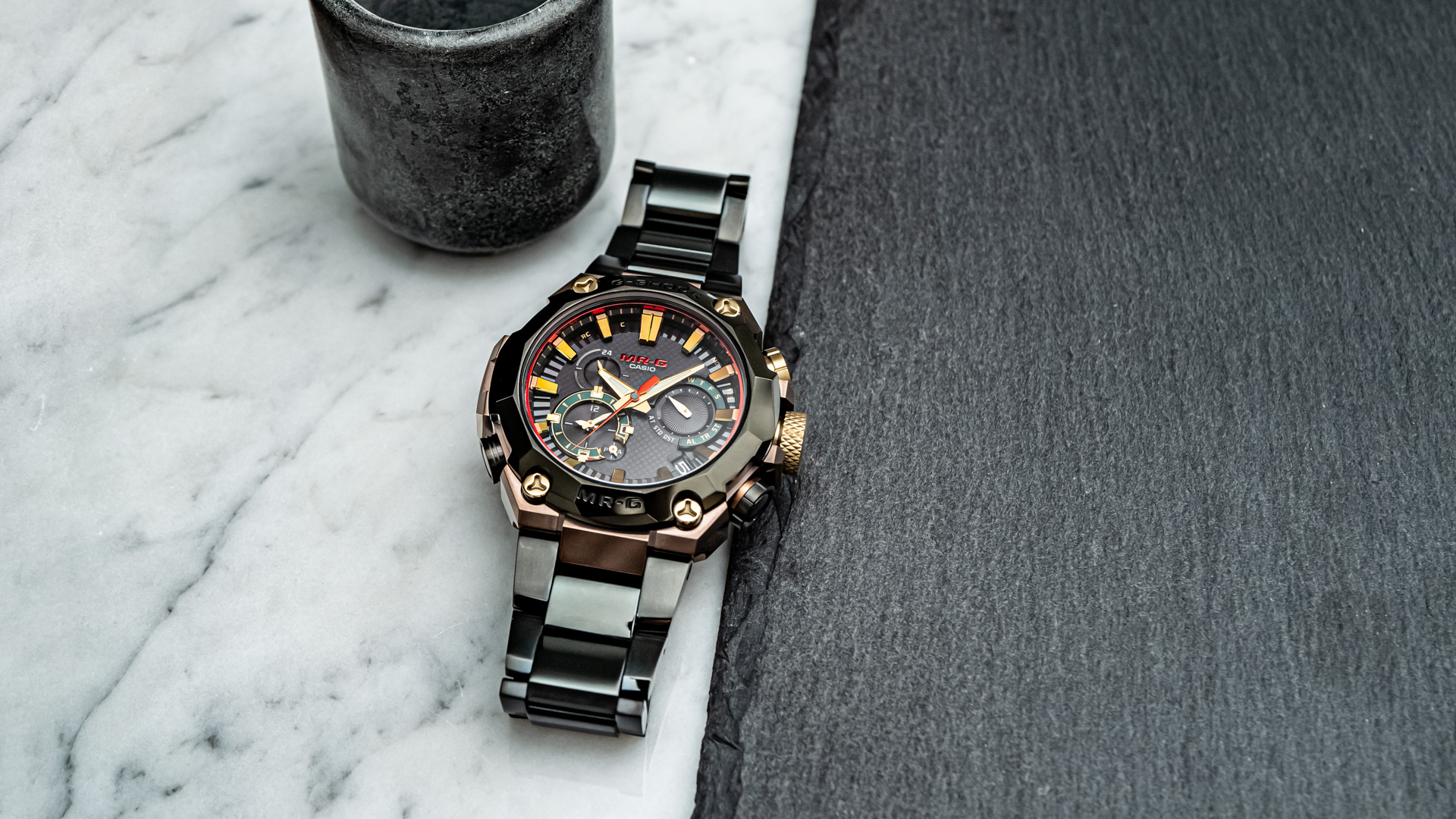
In a world that constantly rushes forward, where moments blur into one another, ticks and tocks hold a peculiar power. Watches, often regarded simply as instruments for measuring time, transcend their mechanical purpose to embody a rich tapestry of culture and symbolism.”Timeless Tales: Exploring teh Culture and Symbolism Behind Watches” invites readers on a journey through the intricate history and nuanced meanings woven into these cherished timepieces. From the ornate designs of ancient civilizations to the cutting-edge innovation of modern horology,each watch tells a story - one that reflects social status,personal milestones,and the artistry of craftsmanship. Join us as we delve into the cultural importance, past evolution, and the hidden messages that tick within our most beloved wrist companions, revealing that watches are much more than mere instruments; they are storytellers of our collective human experience.
The Art of Timekeeping: A Journey Through Historical Significance
The evolution of timekeeping has always embodied more than just the practicalities of managing hours and minutes; it reflects humanity’s quest for precision and order in an ever-changing world. From the early sundials and water clocks of ancient civilizations like Egypt and Mesopotamia to the intricate mechanics of modern wristwatches, each advancement has played a crucial role in shaping how societies perceive time. the craftsmanship involved in timekeeping, particularly in watches, showcases a marriage of art and science, with artisans dedicating years to perfect their skills, allowing for the creation of timepieces that are as much about functionality as they are about aesthetic expression.
Throughout history, watches have carried profound symbolism within various cultures. They have often been cherished as gifts of love, tokens of achievement, or heirlooms passed down through generations. In a world where time is a limited resource, a watch can represent status, success, or even a personal journey. Noteworthy examples include:
- The pocket watch-a symbol of gentlemanly sophistication in the 19th century.
- The wristwatch-an emblem of modernity and efficiency, especially popularized during world War I.
- Designer watches-luxury items that signify both wealth and the importance of style in personal identity.
Consider the following table that highlights some iconic watches and their historical significance:
| Watch Model | Significance |
|---|---|
| Rolex Submariner | Innovation in diving technology and luxury status. |
| Patek Philippe Calatrava | A timeless classic reflecting understated elegance. |
| Omega Speedmaster | First watch on the Moon, symbolizing human achievement. |
Cultural Reflections: How Watches Shape and Represent Identity
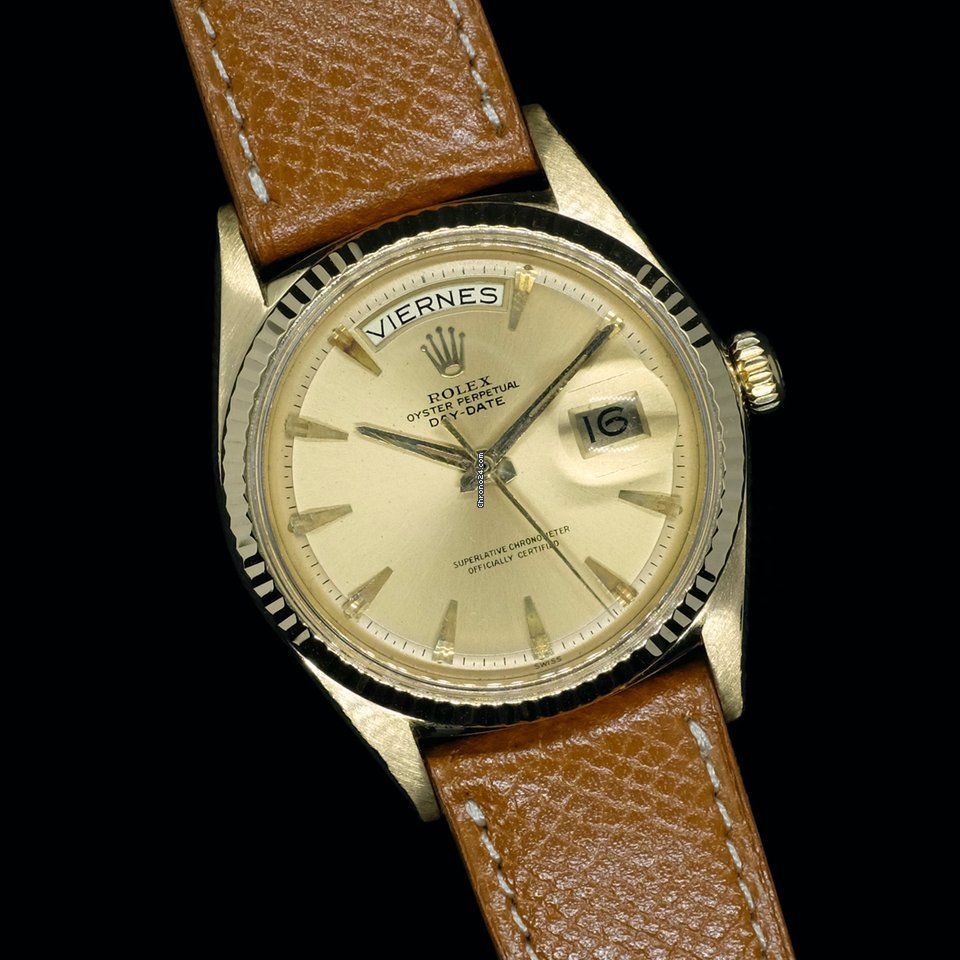
The allure of timepieces extends beyond mere functionality; they are intricate symbols reflecting personal and societal identities. Watches embody various elements, from status and wealth to personality and craftsmanship. A luxurious Rolex can convey financial success and ambition, while a minimalist Swatch may reflect a more laid-back, creative persona. In many cultures, gifting a watch signifies crucial life milestones, such as graduation or marriage, thus embedding the timepiece into the very fabric of relational identity. Essential aspects shaping the cultural significance of watches include:
- Heritage: Many brands invoke a rich history, making the watch a relic of tradition.
- Craftsmanship: The art of watchmaking frequently enough emphasizes skill, precision, and loyalty to craftsmanship.
- Technology: innovations in horology reflect society’s embrace of modernity and progress.
Watches often serve as a canvas for personal expression, showcasing unique styles that resonate with cultural nuances.For example, in some Asian cultures, the color and style of a watch might relate to beliefs about fortune and harmony.In contrast, Western cultures may lean toward casual innovations, favoring smartwatches that align with the tech-savvy lifestyle. Here are a few watch styles and their symbolic meanings:
| Watch Style | Symbolism |
|---|---|
| Luxury Timepiece | Wealth and Prestige |
| Casual Watch | Comfort and lifestyle |
| Smartwatch | Tech-Savvy and Modernity |
| Vintage Watch | Nostalgia and Heritage |
symbolism in Design: The language of Timepieces Across Cultures
Watches have long transcended their primary function of timekeeping, embodying rich narratives and cultural symbols that speak to the human experience. Across various cultures,the design elements in timepieces often reflect a profound connection to deep-seated traditions and philosophies. As a notable example, in Japanese culture, the concept of monozukuri represents a commitment to craftsmanship, where the precision of the timepiece echoes the discipline and artistry of its maker. Similarly, Swiss watches are synonymous with meticulous engineering, symbolizing an unwavering dedication to innovation and quality, where every tick is a tribute to the centuries-old legacy of horology.
Various elements in watch design carry specific meanings that resonate with different cultures. Some of these worldwide symbols include:
- Flowers and Nature: Often symbolize growth and renewal, particularly in timepieces designed with floral motifs.
- geometric Shapes: Represent harmony and balance, commonly found in minimalist designs that appeal to modern aesthetics.
- Colors: Specific hues can evoke different emotions; for example,red might symbolize power while blue often represents trust and tranquility.
In addition, the integration of cultural motifs into watches can be seen in various regions across the globe. For example, consider the following table:
| Region | Symbolism | Common Design Elements |
|---|---|---|
| Asia | Harmony and Longevity | Lotus flowers, dragons |
| Europe | Elegance and Precision | Classic filigree work, Roman numerals |
| Africa | Heritage and Community | Beading, tribal patterns |
Key Takeaways
In the intricate dance between time and artistry, watches emerge as not mere instruments for tracking hours, but as vessels of culture and symbols of human experience. Our exploration through the history and symbolism of these timeless tales reveals how they encapsulate the essence of not only their makers but also the societies they emerge from. From the elegant craftsmanship of swiss timepieces to the technological innovations of modern smartwatches, each tick and tock resonates with stories waiting to be told. As we close this chapter on the cultural significance of watches, we invite you to pause and reflect on your own relationship with time. What stories do your timepieces whisper to you, and how do they connect you to the world around you? a watch is more than a measure of moments; it is indeed a bridge, linking past, present, and future-an enduring reminder that while time might potentially be fleeting, the tales we tell through our choices and creations are truly timeless.









Comments