 By
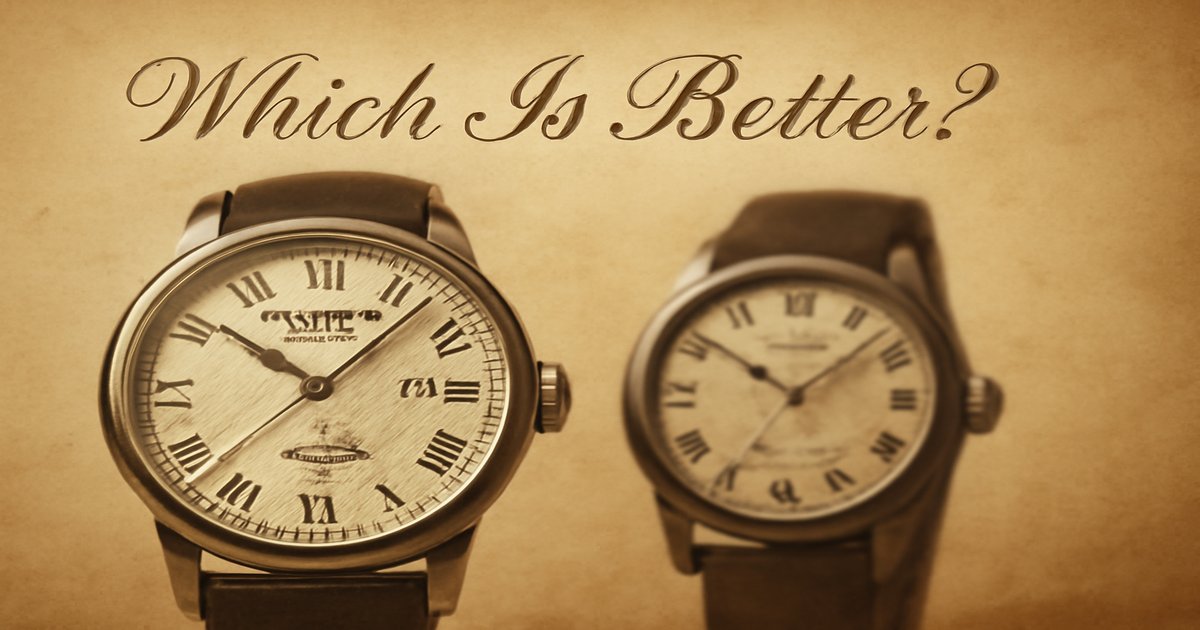
You’re standing in front of the display case, torn between two iconic timepieces. Tissot and Citizen both offer craftsmanship and style, but which one deserves a spot on your wrist? Let’s break down the differences so you can make a confident choice.
| Specification | Tissot | Citizen |
|---|---|---|
| Movement Type | Automatic | Eco-Drive Quartz |
| Water Resistance | 100 meters | 200 meters |
| Material | Stainless Steel | Titanium |
| Price Range | $300 – $1,000 | $250 – $900 |
| Solar Charging | ✗ | ✓ |
| Swiss Made | ✓ | ✗ |
✅ tissot Pros
- Renowned Swiss craftsmanship
- Classic automatic movement for enthusiasts
- Elegant and versatile design
❌ tissot Cons
- Requires regular winding or movement
- Limited water resistance compared to Citizen
- Generally heavier due to stainless steel
✅ citizen Pros
- Innovative Eco-Drive technology
- Lightweight and durable titanium options
- Higher water resistance, great for swimmers
❌ citizen Cons
- Not Swiss made
- Quartz movement may not appeal to purists
- Designs can be less traditional
Movement and Power Source
Tissot shines with its automatic movement, which is a nod to traditional watchmaking. If you love the idea of owning a piece of Swiss heritage that ticks with your every move, Tissot is your go-to. On the other hand, Citizen’s Eco-Drive is a game-changer for the eco-conscious. It relies on light to power the watch, meaning you’ll never need a battery replacement. If convenience and sustainability are top priorities, Citizen wins this round.
Build Quality and Materials
Tissot uses stainless steel, providing a solid and robust feel. This translates to a heavier watch, which some might find reassuringly substantial. Citizen, meanwhile, often opts for titanium, making their watches lightweight and perfect for those with a more active lifestyle. If you’re the type who values comfort and durability, Citizen’s material choice will likely appeal to you.
Value and Aesthetic
Price-wise, both brands are accessible, but Tissot tends to occupy a slightly higher price bracket due to its Swiss-made allure. If you’re seeking an elegant, timeless piece that can transition from the boardroom to a black-tie event, Tissot fits the bill. Citizen’s aesthetic is more about modern functionality, appealing to those who appreciate contemporary design without sacrificing performance.
While Tissot’s automatic movement is a draw, it requires regular winding if not worn daily, which might be a hassle. Citizen’s Eco-Drive is fantastic, but if you’re often in low-light environments, charging can be an issue. Also, Tissot’s heft might not be ideal for those with smaller wrists.
Our Final Verdict: Which One Should You Buy?
If you’re a traditionalist who appreciates heritage and doesn’t mind a bit of maintenance for that authentic Swiss experience, go with Tissot. It’s perfect for the collector who values art in watchmaking. However, if you’re an adventurer who needs a reliable, low-maintenance watch that can keep up with an active lifestyle, Citizen is your best bet. Its advanced technology and lightweight build make it ideal for the modern minimalist.
Is the Tissot watch suitable for swimming?
Tissot watches generally offer water resistance up to 100 meters, which is fine for swimming but not diving. Citizen’s 200-meter resistance is better suited for those who swim regularly.
How long does Citizen’s Eco-Drive last before needing a recharge?
Citizen’s Eco-Drive watches can last months on a full charge, depending on the model. Regular exposure to light ensures they’re always powered.
Do Tissot watches require a lot of maintenance?
Like most automatic watches, Tissot models require occasional servicing to maintain accuracy and performance. Regular winding is needed if not worn daily.




Comments