
 By
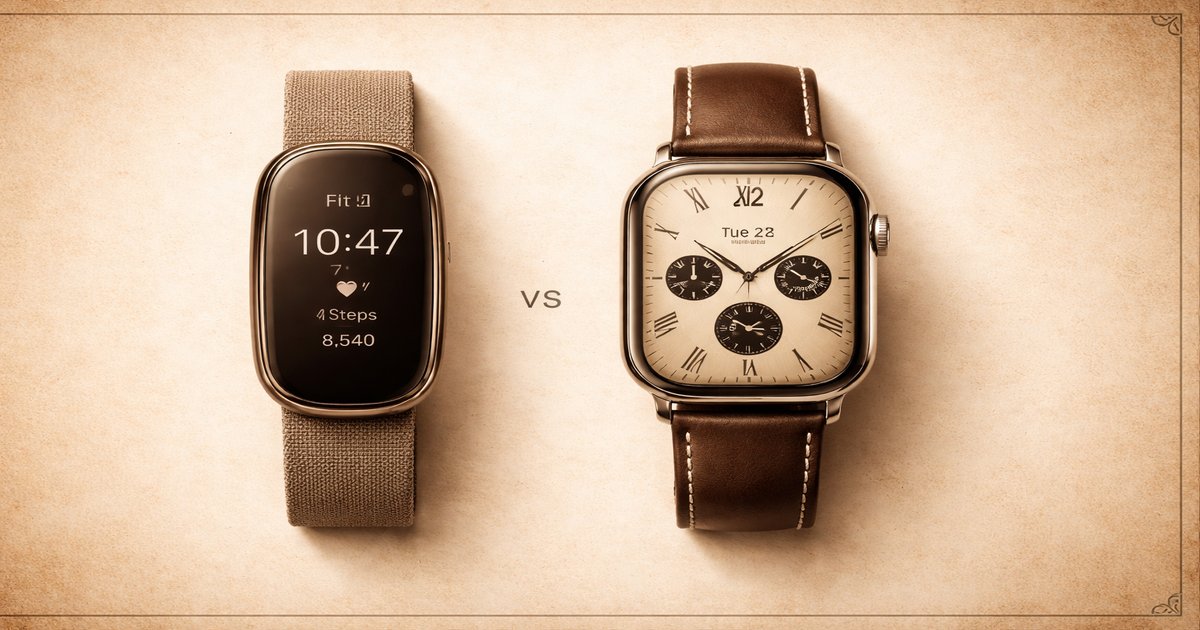
By You’ve finally decided to take your fitness seriously, but now you’re stuck between two heavyweights in the wearable world: the Whoop and the Apple Watch. Both promise to revolutionize your fitness journey, but which one deserves your hard-earned cash? Let’s break it down so you can make a smart choice without second-guessing yourself.
| Feature | Whoop | Apple Watch |
|---|---|---|
| Battery Life | 4-5 Days | 18 Hours |
| Heart Rate Monitoring | ✓ | ✓ |
| Sleep Tracking | ✓ | ✓ |
| GPS | ✗ | ✓ |
| Water Resistance | 10 Meters | 50 Meters |
| Subscription Required | ✓ | ✗ |
| Price | $30/month | $399+ |
✅ whoop Pros
- Excellent battery life for continuous monitoring.
- Advanced sleep and recovery analytics.
- Lightweight and comfortable for all-day wear.
❌ whoop Cons
- Requires a subscription, which adds up over time.
- Lacks GPS, limiting outdoor activity tracking.
- Less versatile in terms of apps and notifications.
✅ apple watch Pros
- Extensive app ecosystem for multifunctionality.
- Includes built-in GPS for accurate outdoor tracking.
- Stylish design suitable for both workouts and daily use.
❌ apple watch Cons
- Poor battery life requires daily charging.
- Higher upfront cost compared to Whoop’s subscription model.
- Can be bulky for those preferring minimalist designs.
Performance
When it comes to raw performance for fitness metrics, Whoop is the clear winner if you’re focused on in-depth health tracking. It excels at providing detailed sleep, recovery, and strain analytics, helping you optimize your lifestyle based on data. Apple Watch, however, offers a balanced mix of fitness tracking and smart features, making it a versatile companion for both workouts and everyday tasks. If you’re looking for a device that will tell you when to rest and when to push harder, Whoop is your go-to. For a broader range of functionality, Apple Watch delivers.
Build Quality and Design
Whoop goes for a minimalist design, focusing on comfort and continuous wearability. It’s slim and lightweight, perfect for those who prioritize fitness data over fashion. Apple Watch, on the other hand, is a statement piece. With multiple bands and case materials, it suits a variety of styles. Plus, its water resistance up to 50 meters means you can take it swimming without a second thought. If aesthetics and versatility matter to you, Apple Watch is the obvious choice.
Value for Money
Whoop’s subscription model might seem like a money pit, but if you’re serious about health optimization, its value shines through the detailed data and recommendations. Apple Watch offers a hefty upfront cost but provides a more comprehensive range of features without recurring fees. It’s perfect for those who want a one-time investment with wide-ranging capabilities. Choose Whoop if you’re all-in on fitness insights; opt for Apple Watch if you want a multi-functional device with no ongoing costs.
People rarely mention that Whoop’s subscription can feel like a financial treadmill, especially if you lose interest in its advanced analytics. The Apple Watch’s short battery life can become a serious annoyance if you’re not diligent about charging it daily. These limitations can impact your experience more than you’d expect.
Our Final Verdict: Which One Should You Buy?
If you’re a data-driven athlete or someone who thrives on optimizing recovery and performance, Whoop is your fitness soulmate. Its in-depth analytics justify the subscription cost if you’re committed to using the insights. However, if you want a versatile gadget that balances fitness tracking with day-to-day smart features, snag an Apple Watch. It’s the Swiss Army knife of wearables, ideal for tech enthusiasts and casual fitness fans alike.
How does the Whoop fit on smaller wrists?
Whoop offers a one-size-fits-all band that is adjustable, but some users with very small wrists have found it slightly loose.
Is the Apple Watch compatible with Android phones?
No, the Apple Watch requires an iPhone for setup and full functionality.
How long can I expect these devices to last?
Both devices are built to last several years, but battery life and software updates may impact longevity. Regular maintenance will keep them functional longer.








Comments