
 By
By 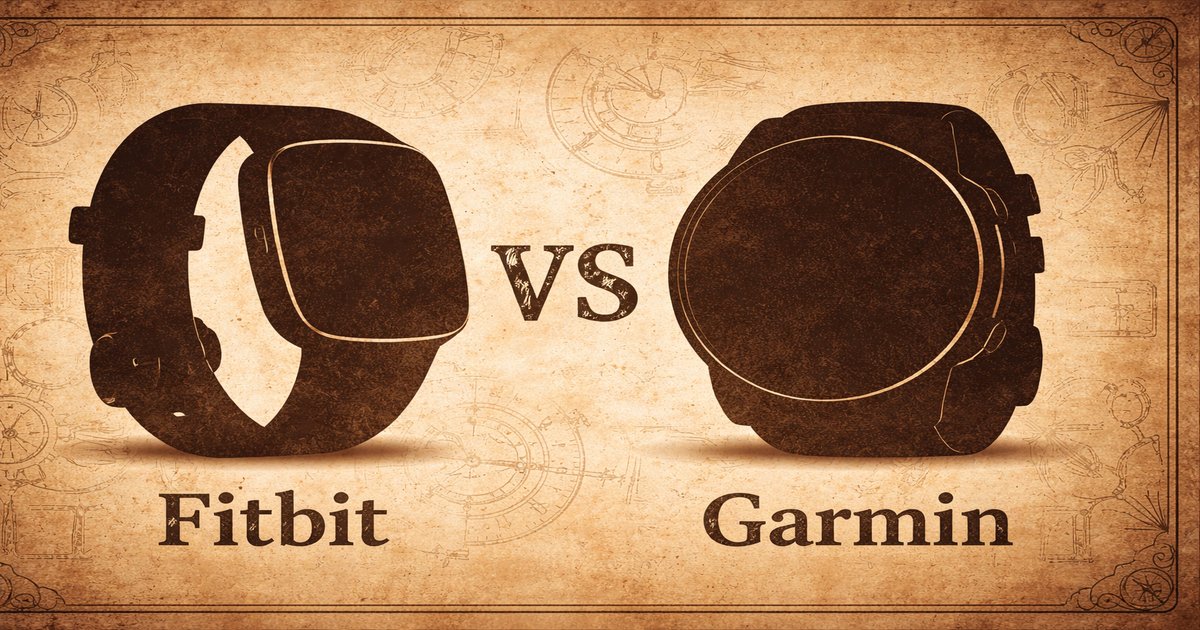
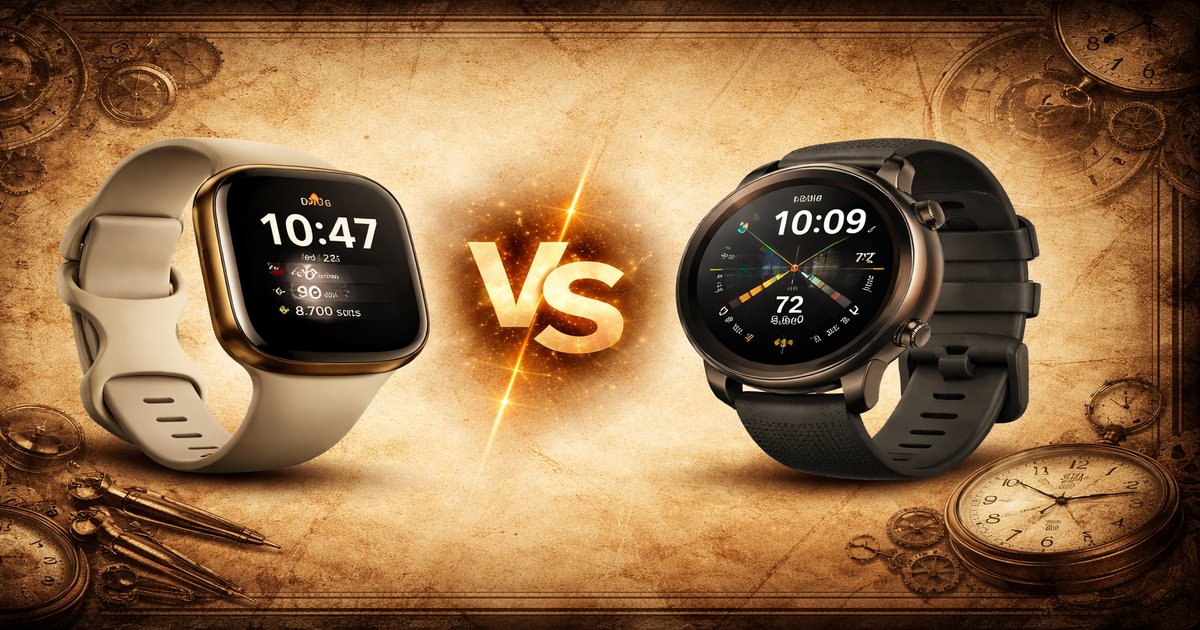
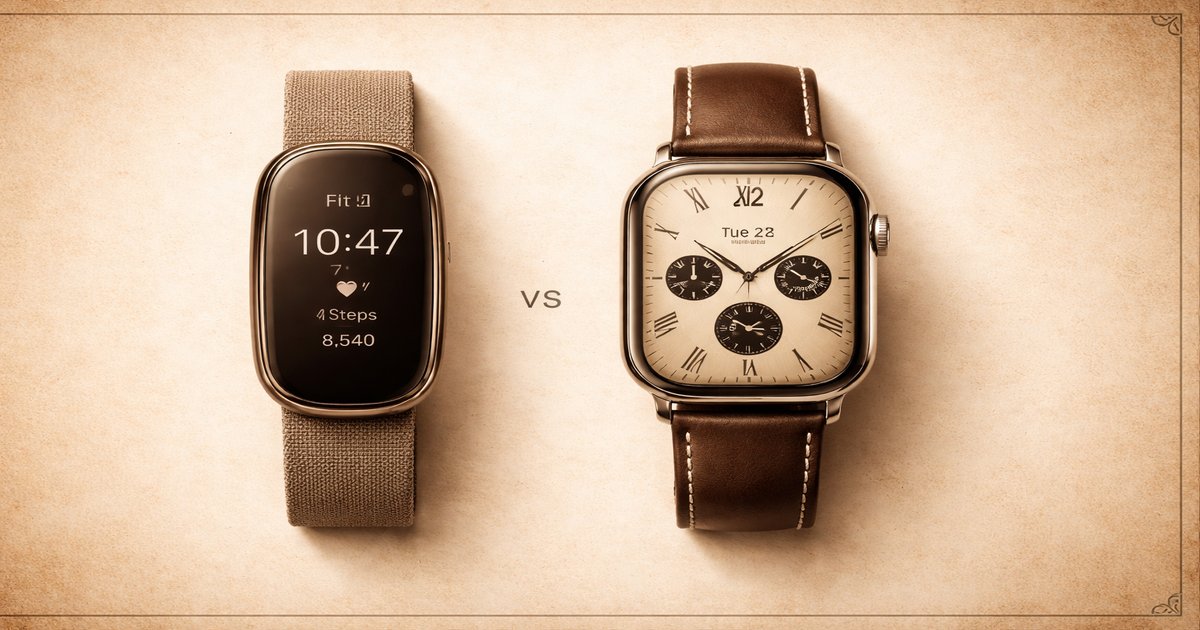
You’re eyeing that sleek tracker on your friend’s wrist, wondering if it should be your next buy. Should you go with the classic Fitbit or lean towards the Garmin, the choice of many athletes? Let’s dive into what each offers and which might fit your lifestyle better.
| Feature | Fitbit | Garmin |
|---|---|---|
| Battery Life | Up to 7 days | Up to 14 days |
| Built-in GPS | ✓ | ✓ |
| Heart Rate Monitoring | ✓ | ✓ |
| Music Storage | ✗ | ✓ |
| Water Resistance | 50 meters | 100 meters |
| Price Range | $100 – $250 | $150 – $600 |
✅ fitbit Pros
- Easy-to-use interface for beginners
- Affordable price range
- Strong integration with smart home devices
❌ fitbit Cons
- Limited advanced fitness analytics
- Shorter battery life
✅ garmin Pros
- Exceptional battery life
- Advanced fitness tracking features
- Extensive customization options
❌ garmin Cons
- Higher price point
- Complex interface for new users
Performance and Accuracy
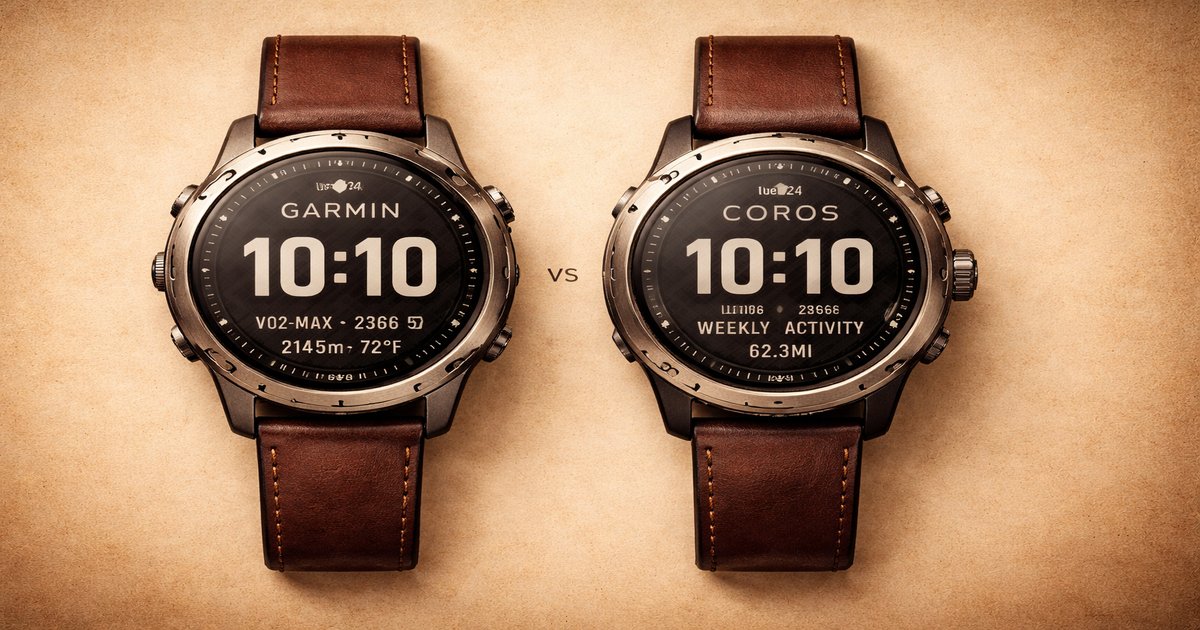
Garmin is the beast when it comes to performance, especially with its superior GPS capabilities and accuracy in tracking. If you’re an outdoor enthusiast who values precision in running or cycling metrics, Garmin won’t disappoint. On the other hand, Fitbit is no slouch but focuses more on the everyday user experience, making it perfect if you’re just getting into fitness and need reliable heart rate monitoring without the complexity.
Build Quality and Design
Fitbit goes for simplicity and elegance, with a focus on comfort during everyday wear. Their devices are lightweight and less intrusive, appealing if you wear them all day, from the boardroom to the gym. Garmin, with its robust build, feels more like a tool for serious athletes. The design is rugged and durable, making it perfect for those who push their gear to the limits in various outdoor conditions.
Value for Money
Fitbit clearly positions itself as the budget-friendly option, offering solid features that cater to the average fitness enthusiast without breaking the bank. It’s perfect if you want effective fitness tracking without extra bells and whistles. Garmin, however, justifies its higher price with a suite of advanced features and exceptional durability, appealing to athletes who demand comprehensive data and performance analysis.
Fitbit can sometimes overestimate step counts, especially if you gesticulate a lot while talking. Garmin might be overkill if you’re not utilizing its advanced sports modes, effectively making you pay for features you won’t use. Also, Garmin’s app can be a bit of a labyrinth for beginners, so be ready for a learning curve.
Our Final Verdict: Which One Should You Buy?
If you’re a beginner or casual fitness enthusiast who values a hassle-free, budget-friendly device, Fitbit is your go-to. It’s great for tracking basic fitness metrics without overwhelming you. For the serious athlete who craves detailed performance insights and won’t mind a steeper learning curve, Garmin is worth the investment. It’s built for those who push their limits and demand the best tech to match.
Are both fitbit and garmin compatible with iPhones and Androids?
Yes, both Fitbit and Garmin offer apps that are compatible with iOS and Android devices, allowing you to sync your data seamlessly.
How durable are these devices for extreme sports?
Garmin devices are particularly known for their durability, suitable for extreme sports. Fitbit is durable for everyday use but may not withstand extreme conditions as well as Garmin.
Which device offers better long-term value?
Garmin may provide better long-term value if you’re using its advanced features consistently, while Fitbit offers great value for basic fitness tracking over time.









Comments