
 By
By 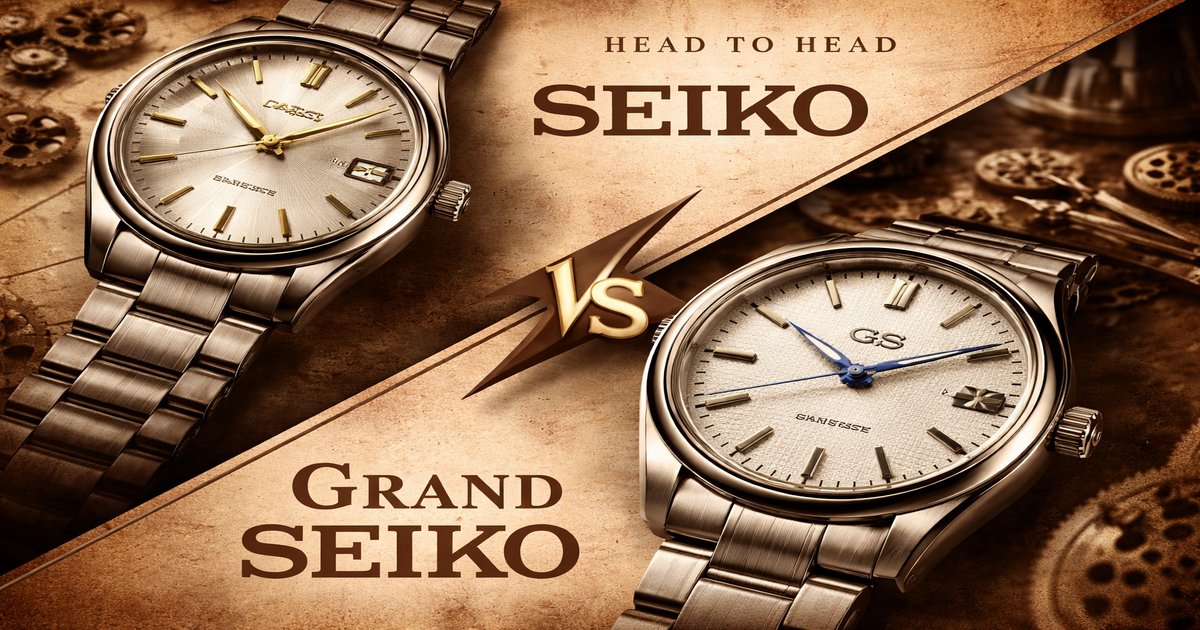
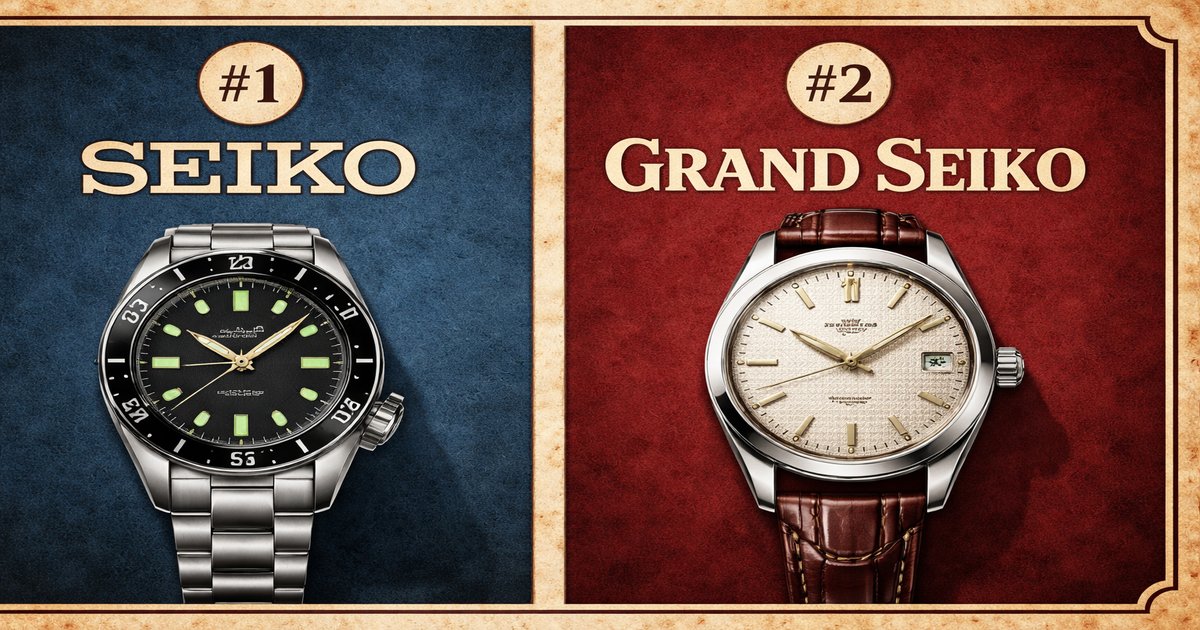
You’ve been eyeing that sleek timepiece for a while now, but the debate between Seiko and Grand Seiko keeps you up at night. You’re not alone—this choice is like choosing between two different personalities of the same family. Let’s dig into the nitty-gritty to see which watch brand deserves a spot on your wrist.
| Feature | Seiko | Grand Seiko |
|---|---|---|
| Price Range | $100 – $1000 | $3000 – $8000 |
| Movement Type | Quartz, Automatic | Spring Drive, Automatic |
| Water Resistance | 100m | 100m |
| Build Material | Stainless Steel, Hardlex | Stainless Steel, Sapphire Crystal |
| Accuracy | ±15 seconds/month (Quartz) | ±1 second/day (Spring Drive) |
| Brand Heritage | ✓ | ✓ |
✅ seiko Pros
- Affordable entry-level pricing.
- Wide range of styles and designs.
- Reliable quartz and automatic movements.
❌ seiko Cons
- Lower accuracy compared to Grand Seiko.
- Basic materials like Hardlex crystal.
✅ grand seiko Pros
- Exceptional movement accuracy.
- Premium materials like sapphire crystal.
- Superior craftsmanship and detailing.
❌ grand seiko Cons
- Significantly higher price point.
- Limited style diversity compared to Seiko.
Performance: Movement and Accuracy
When it comes to timekeeping, Seiko offers dependable quartz and automatic movements that get the job done for everyday scenarios. But if you demand precision, Grand Seiko’s Spring Drive technology is where it’s at, offering a mind-blowing ±1 second per day accuracy. Whether you’re timing your morning routine or an important meeting, Grand Seiko ensures you’re always on the dot. Seiko, while reliable, tends to lag in this department if you’re a stickler for precision.
Build Quality: Materials and Craftsmanship
Seiko watches are built to last with durable stainless steel and Hardlex crystal. They’re perfect for those who need a robust timepiece without breaking the bank. On the flip side, Grand Seiko elevates the game with sapphire crystals and intricate craftsmanship that’s palpable as soon as you strap it on. The detailing on a Grand Seiko is nothing short of artwork, making it a piece you’ll want to show off, not just wear.
Value for Money: What Do You Get?
Seiko is the go-to for budget-conscious buyers who still want a reputable name on their wrist. You get a broad spectrum of designs and functions without burning a hole in your pocket. Grand Seiko, though, is an investment. It offers longevity and luxury that might seem extravagant, but if you’re in it for the long haul and eyeing heirloom potential, it’s worth every penny. For collectors or aficionados, Grand Seiko is more than just a watch; it’s a statement.
While both brands are exceptional in their own rights, don’t overlook the fact that Seiko’s lower-end models might require more frequent servicing for wear and tear. Grand Seiko, on the other hand, is a dream, but its hefty price tag is not for the faint of heart. If you’re not ready to shell out, it might end up being more aspirational than practical.
Our Final Verdict: Which One Should You Buy?
If you’re a casual wearer looking for variety and affordability, Seiko is your best bet. It’s perfect for the everyday user who wants reliability without fuss. However, if you’re someone who cherishes precision, luxury, and craftsmanship—perhaps a professional or a watch enthusiast—Grand Seiko is the one to go for. It’s the kind of watch that not only tells time but tells a story.
Is Seiko water-resistant?
Yes, most Seiko models offer water resistance up to 100 meters, making them suitable for swimming but not diving.
Do Grand Seiko watches hold their value?
Grand Seiko watches tend to hold their value well, especially limited editions, thanks to their high-quality craftsmanship and brand prestige.
How often should I service my Seiko or Grand Seiko watch?
Seiko recommends servicing every 3-5 years, whereas Grand Seiko models might stretch to 5-7 years due to their superior build quality.




Comments