
 By
By 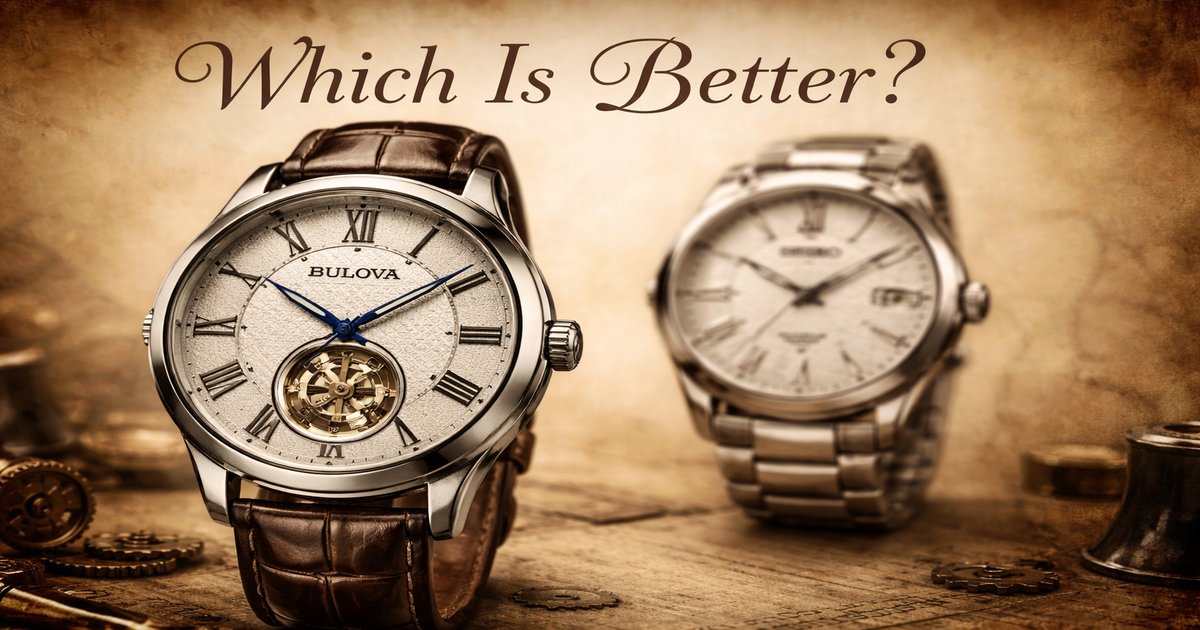
You’re on the hunt for a reliable watch, but you’re stuck between two iconic brands: Bulova and Seiko. Both have their merits and quirks, but which one deserves your wrist? Let’s break down the details so you can make a confident choice.
| Feature | Bulova | Seiko |
|---|---|---|
| Movement Type | Quartz | Automatic/Quartz |
| Water Resistance | 30m | 100m |
| Price Range | $150 – $800 | $150 – $1,000 |
| Precisionist Technology | ✓ | ✗ |
| Luminosity | Standard | LumiBrite |
| Design Variety | High | Moderate |
✅ bulova Pros
- Precisionist technology offers unparalleled accuracy.
- Wide range of stylish designs to choose from.
- Generally more affordable for high-end models.
❌ bulova Cons
- Limited water resistance, not ideal for swimming.
- Primarily quartz, less appeal for automatic watch enthusiasts.
✅ seiko Pros
- Exceptional water resistance, perfect for divers.
- LumiBrite technology offers superior visibility in low light.
- Well-respected for its automatic movement options.
❌ seiko Cons
- Higher-end models can be pricey.
- Design options are less varied compared to Bulova.
Performance and Accuracy
Bulova’s Precisionist technology is a game-changer for those who demand exact timekeeping. Its quartz movement is known for being one of the most precise in the industry, cutting down time deviation to near-zero. This is a big deal if you’re meticulous about punctuality. On the flip side, Seiko’s automatic movements are a classic favorite for those who appreciate the craftsmanship and tradition of mechanical watches. They don’t match the quartz for precision, but they offer a timeless charm and reliability that tech can’t replicate.
Build Quality and Durability
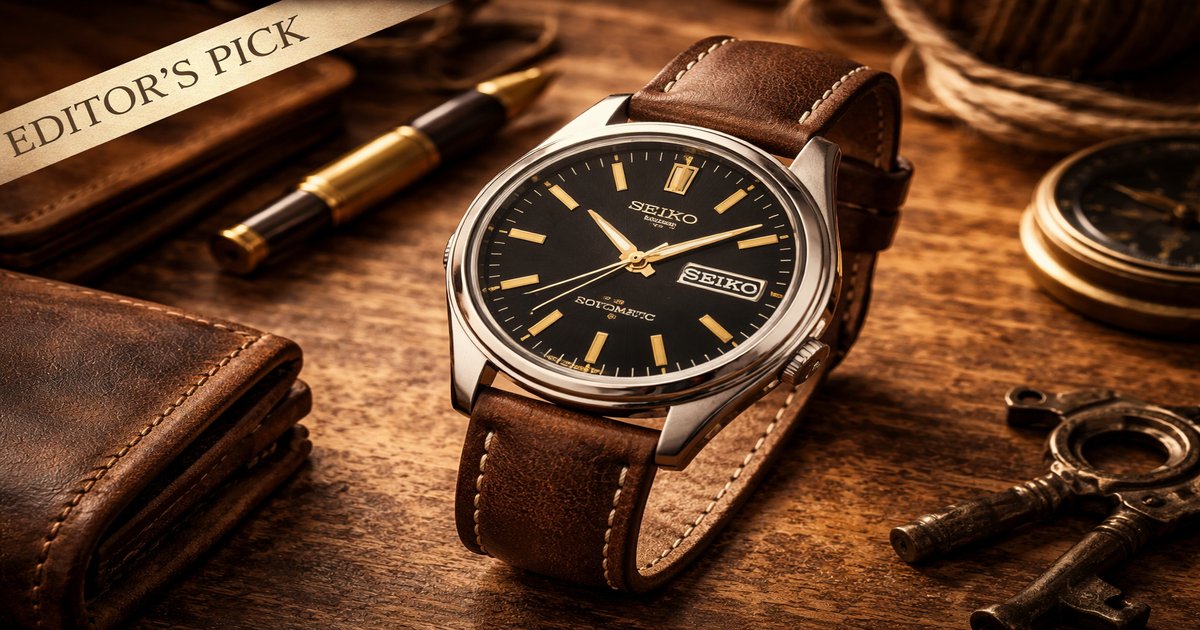
In terms of build quality, Seiko often takes the cake. Their watches are rugged, withstanding the wear and tear of daily life, and their water resistance is a boon for anyone who finds themselves around water frequently. Bulova, while stylish and robust in its own right, doesn’t quite match up in the durability department, particularly when it comes to water resistance. If you’re the adventurous type, Seiko’s better suited for your lifestyle.
Value for Money
Both brands offer excellent value, but the difference lies in what you value more. Bulova gives you a lot of bang for your buck if you’re after high-tech precision and style without breaking the bank. Their watches often come in at a lower price point for similar styles. Seiko, however, offers a diversified range from affordable to high-end luxury, appealing to both budget-conscious buyers and those looking to invest in a piece with lasting legacy and durability.
Bulova’s Precisionist is incredible, but don’t expect it to be as rugged as Seiko. If you’re constantly in wet environments, Bulova’s 30m water resistance could be a deal-breaker. Also, while Seiko’s automatic movements are charming, remember they require regular maintenance which can be a hidden cost over time.
Our Final Verdict: Which One Should You Buy?
If you prioritize cutting-edge accuracy and a wide selection of designs, Bulova is your go-to. It’s perfect for those who want a stylish, precise watch without diving into the deep end. For the adventurers and traditionalists who need a rugged, reliable piece with excellent water resistance, Seiko is your brand. It’s ideal if you’re willing to invest in a watch that combines durability with timeless mechanical appeal.
Is the Bulova watch suitable for swimming?
Not really. With a water resistance of only 30m, it’s best to keep Bulova watches away from water-intensive activities.
How often do Seiko automatic watches need servicing?
Typically, Seiko recommends servicing automatic watches every 3 to 5 years to ensure optimal performance.
Do Bulova watches hold their value over time?
Bulova watches generally hold their value well, especially models with unique features like the Precisionist. However, they are not typically considered investment pieces like some luxury brands.





Comments