
 By
By 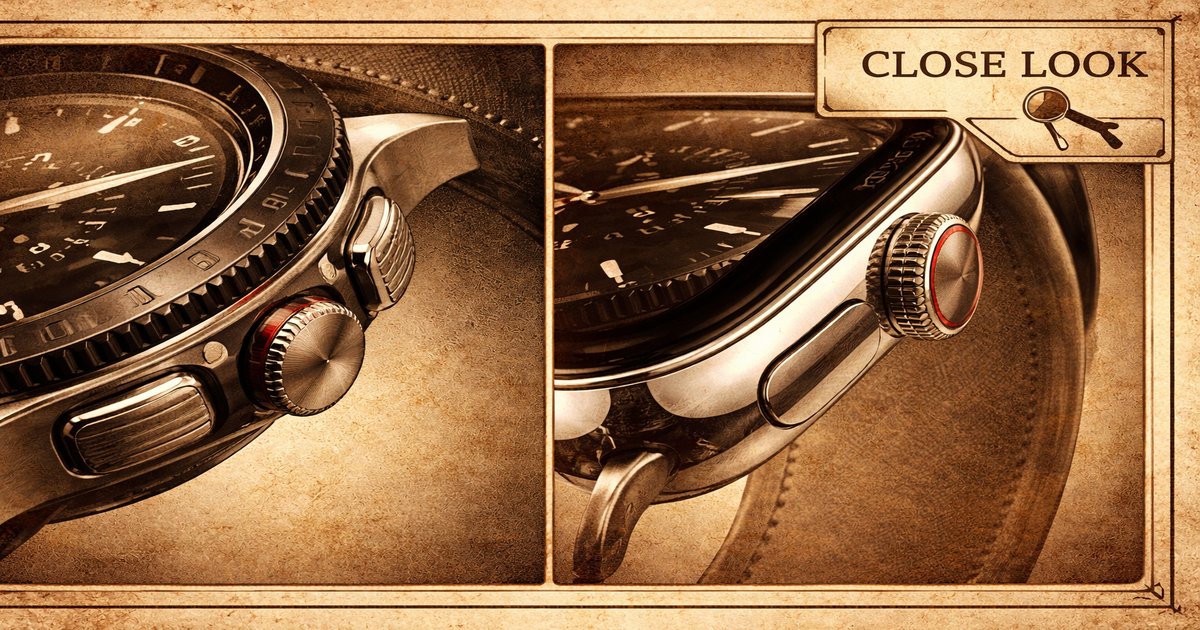
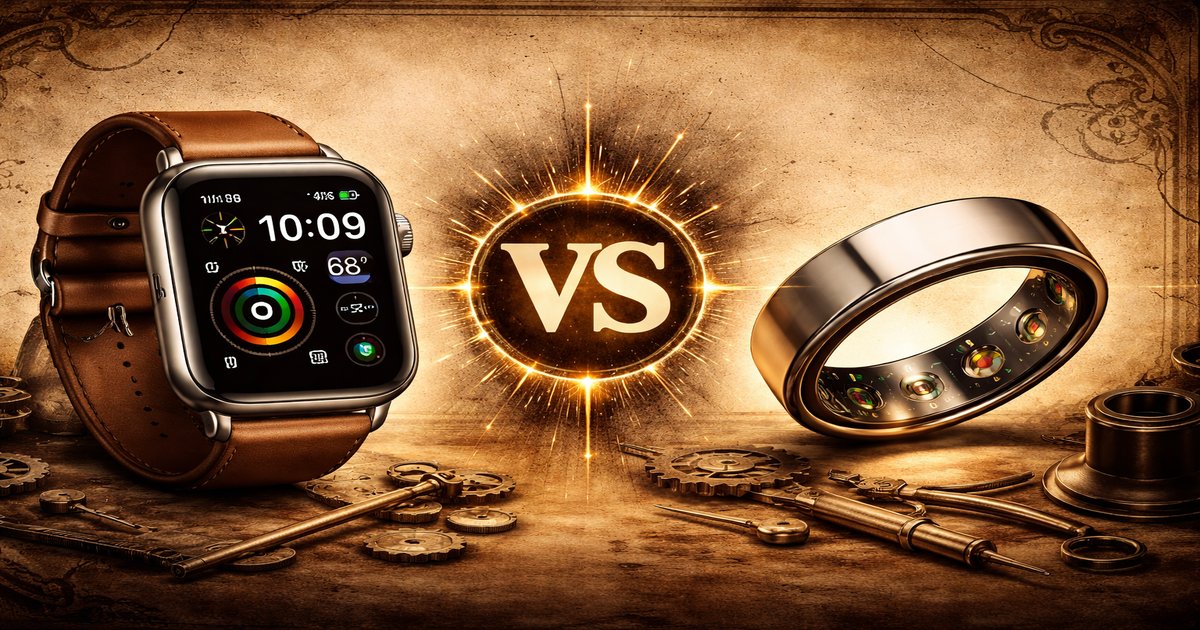
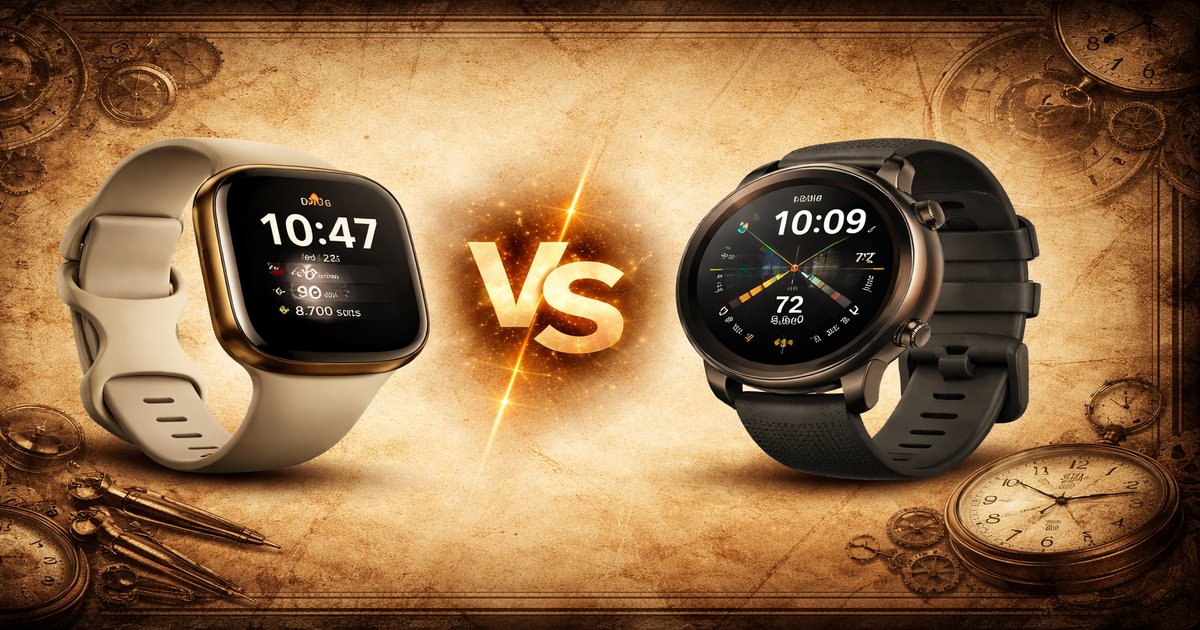
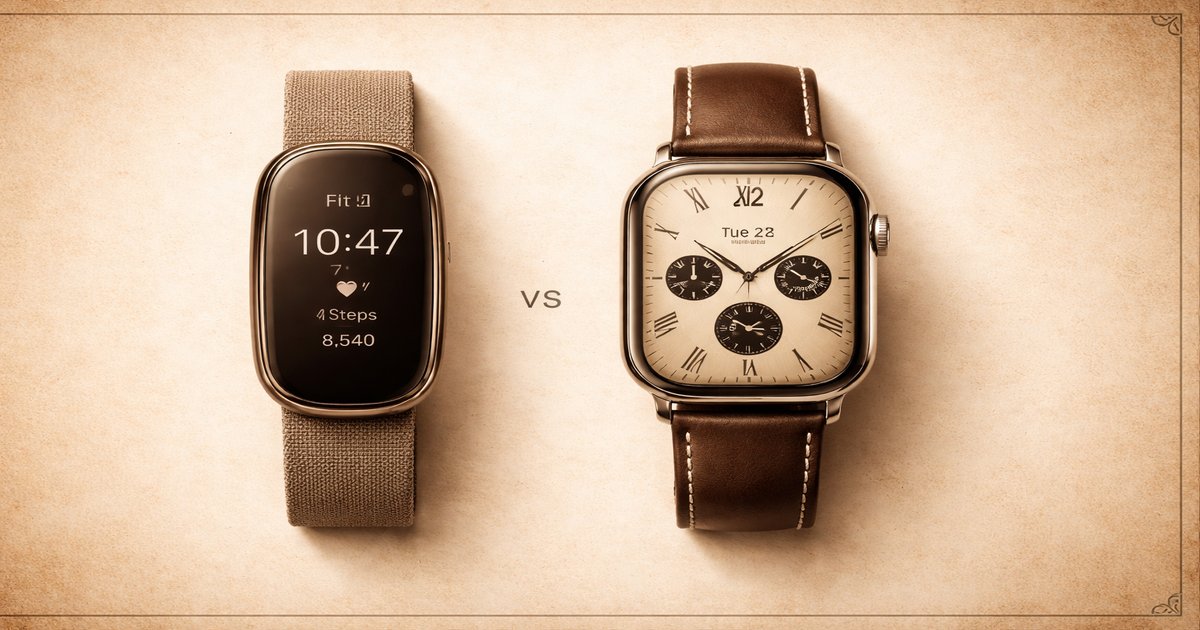
You’re juggling between the Samsung Galaxy Watch and the Apple Watch, trying to figure out which one will keep up with your lifestyle. Whether you’re tracking workouts or staying connected on the go, these two smartwatches promise to enhance your daily routine. But which one truly delivers where you need it most?
| Feature | Samsung Galaxy Watch | Apple Watch |
|---|---|---|
| Operating System | Wear OS | watchOS |
| Battery Life | Up to 4 days | Up to 18 hours |
| GPS | ✓ | ✓ |
| Cellular Option | ✓ | ✓ |
| Water Resistance | 5 ATM | 50 meters |
| Price Range | $250 – $400 | $399 – $749 |
✅ samsung galaxy watch Pros
- Superior battery life compared to competitors.
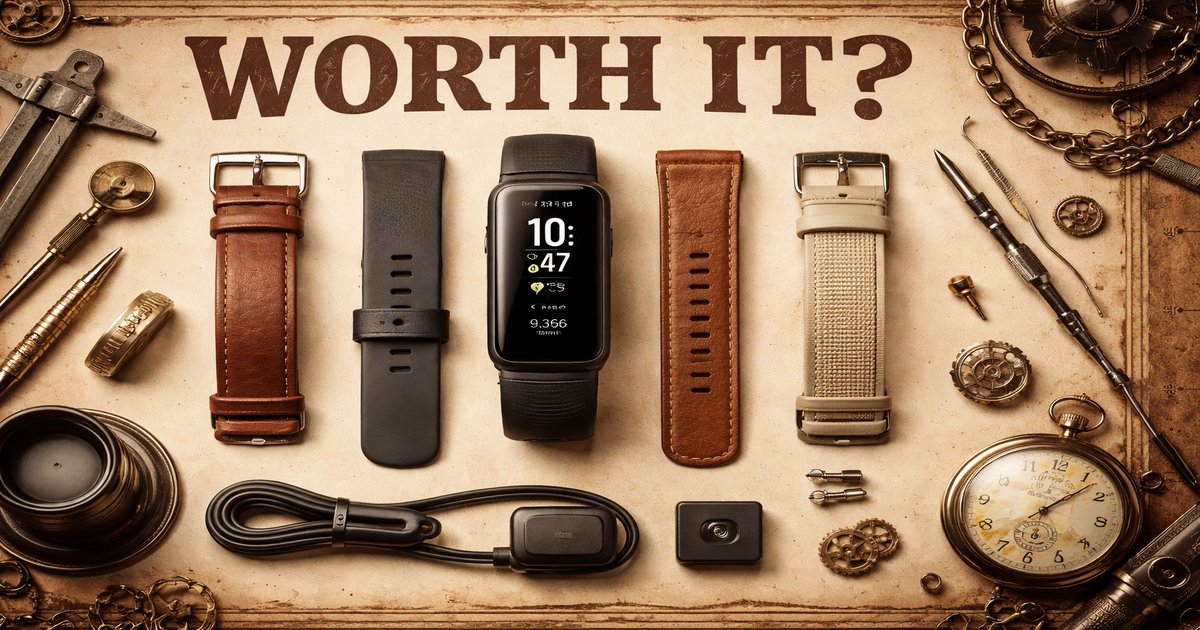
- Customizable with a variety of watch faces and bands.
- Compatible with both Android and iOS devices.
❌ samsung galaxy watch Cons
- App ecosystem is not as robust as Apple’s.
- Can feel bulky on smaller wrists.
✅ apple watch Pros
- Seamless integration with other Apple devices.
- Extensive app ecosystem with frequent updates.
- High-end fitness tracking capabilities and sensors.
❌ apple watch Cons
- Shorter battery life requires daily charging.
- Typically more expensive than competitors.
Performance and Usability
Both watches perform admirably, but their strengths cater to different needs. The Samsung Galaxy Watch excels in battery life, lasting up to four days, reducing the hassle of frequent charging. Its interface is intuitive, and its compatibility with both Android and iOS is a clear advantage. On the other hand, the Apple Watch’s performance is tightly integrated with the Apple ecosystem, offering a smoother experience for iPhone users. Its interface feels more polished, and the app selection is unparalleled. If you’re an Apple user, the seamless integration might outweigh the need for daily charging.
Build Quality and Design
The Galaxy Watch is built like a tank with its 5 ATM water resistance and robust design, but its bulkiness might not suit everyone. It’s a watch that screams durability and versatility, whether you’re at the gym or attending a meeting. The Apple Watch, however, feels more like a piece of jewelry with its sleek design and premium materials. It fits snugly and comfortably, making it ideal for all-day wear. If aesthetics and comfort are your priorities, the Apple Watch wins this round hands down.
Value and Ecosystem
When it comes to value, the Galaxy Watch offers flexibility with its lower price range and compatibility with multiple platforms, making it a great pick for non-Apple users. It offers solid functionality without breaking the bank. The Apple Watch, with its higher price tag, justifies the cost through its tight integration with Apple’s ecosystem, offering features like Handoff and AirDrop. It’s a must-have for those deeply entrenched in the Apple world, justifying its premium price with ecosystem perks and a superior app library.
The Galaxy Watch’s compatibility with iOS is limited; don’t expect the same seamless experience as with Android. Meanwhile, the Apple Watch’s battery life can be a dealbreaker if you’re not used to charging nightly. Both watches have quirks, but knowing them can prevent buyer’s remorse.
Our Final Verdict: Which One Should You Buy?
If you’re an Android user or someone who values battery life and versatility, the Samsung Galaxy Watch is your best bet. It’s a solid all-rounder for those who aren’t tied to the Apple ecosystem. On the flip side, if you’re an Apple aficionado and can handle the daily charging, the Apple Watch is unmatched in its integration and app ecosystem. It’s the perfect choice for those who want a smartwatch that doubles as a fashion statement.
Is the Samsung Galaxy Watch compatible with iPhones?
Yes, it is compatible, but some features might be limited compared to when paired with an Android device.
How long does the Apple Watch last before needing a replacement?
With proper care, an Apple Watch can last several years. However, battery performance will degrade over time, typically after two to three years.
Is the extra cost of the Apple Watch worth it?
If you’re heavily invested in the Apple ecosystem, the integration and features can justify the higher price. Otherwise, it might be overkill for basic smartwatch needs.






Comments