
 By
By 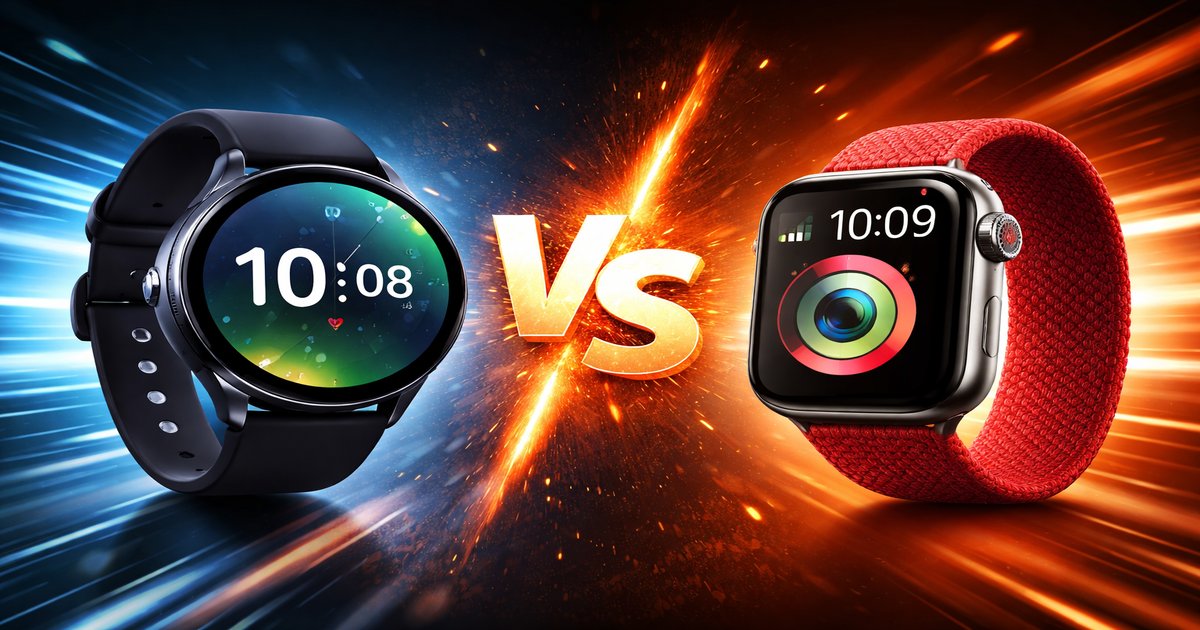
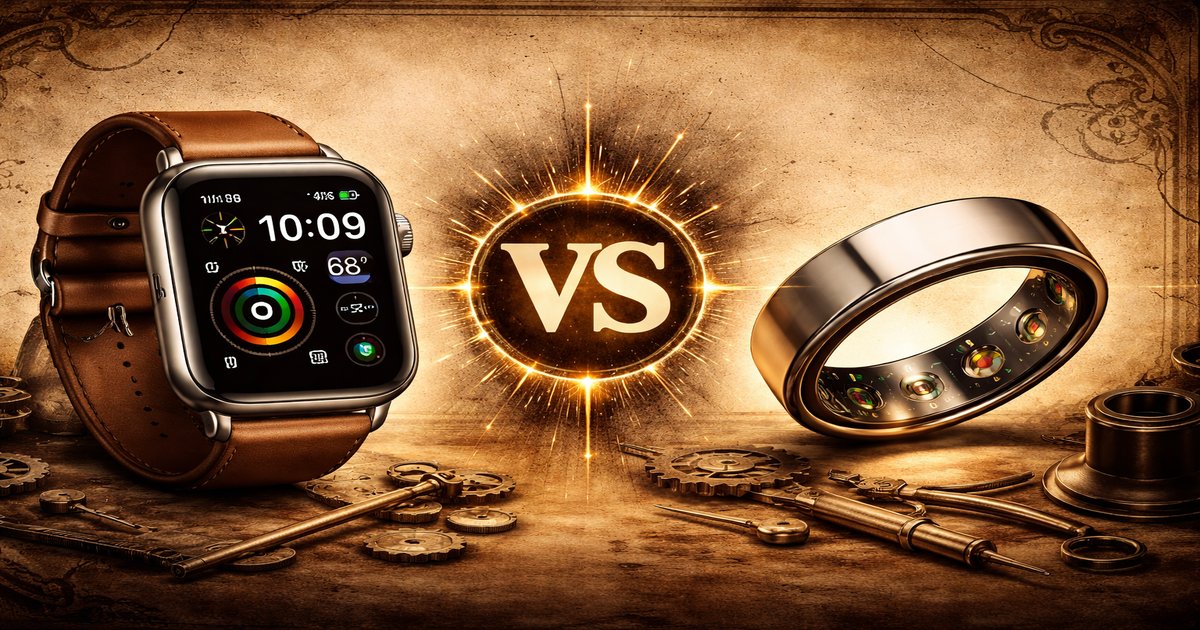
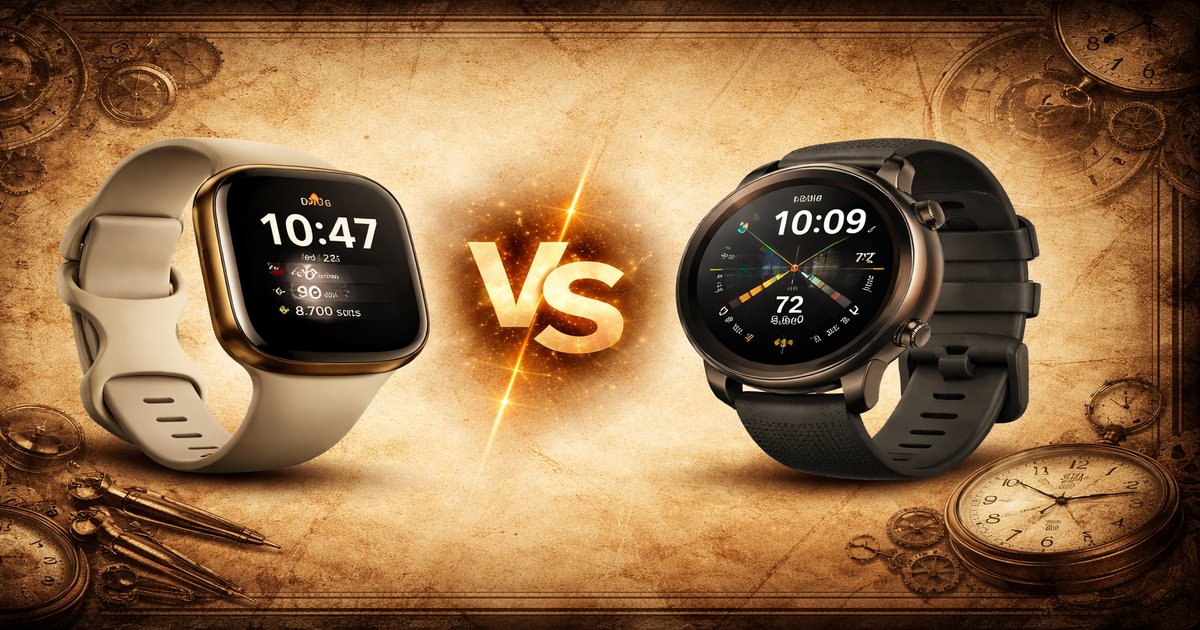
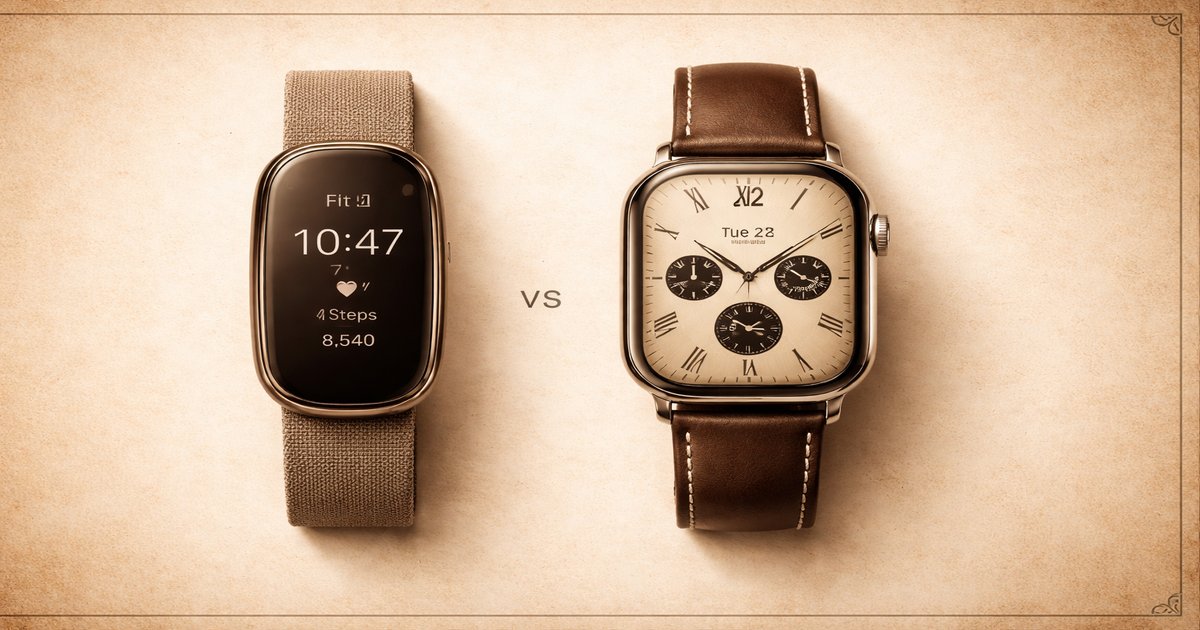
You’re in the market for a smartwatch and are stuck between the Samsung Galaxy Watch and the Apple Watch. Whether you’re tracking your runs, monitoring your heart, or just looking for a wrist pal to keep you connected, both have their charm and limitations. Let’s cut the fluff and get to the nitty-gritty of which one deserves a spot on your wrist.
| Feature | Galaxy Watch | Apple Watch |
|---|---|---|
| Operating System | Wear OS (formerly Tizen) | watchOS |
| Battery Life | Up to 4 days | Up to 18 hours |
| Compatibility | Android & iOS | iOS only |
| Health Monitoring | ECG, blood pressure | ECG, blood oxygen |
| Price Range | $250 – $450 | $399 – $799 |
| Water Resistance | 50m | 50m |
✅ galaxy watch Pros
- Impressive battery life lasting up to 4 days.
- Compatible with both Android and iOS devices.
- Offers blood pressure monitoring, a unique feature.
❌ galaxy watch Cons
- Wear OS can feel less polished compared to watchOS.
- Limited app ecosystem.
✅ apple watch Pros
- Seamless integration with iOS devices.
- Robust app ecosystem with endless options.
- High-quality build with premium materials.
❌ apple watch Cons
- Battery life is disappointingly short at just 18 hours.
- Higher price point, especially for premium models.
Performance and Usability
You’re likely to find the usability of the Galaxy Watch a breath of fresh air if you’re into longer battery life. It’s ideal for those who can’t be bothered with daily charging. However, it does fall behind when it comes to app selection and software polish. In contrast, the Apple Watch is a powerhouse of performance, thanks to its beefy processor and the smoothness of watchOS. The downside? You’ll find yourself tethered to a power outlet each night, which can be a real buzzkill if you’re out and about.
Build Quality and Style
The Apple Watch is like that perfectly tailored suit; it screams premium with its sleek design and high-end materials. It’s definitely a style statement. The Galaxy Watch, while sturdy and attractive, leans more towards a traditional watch aesthetic, which might appeal to those who prefer classic over contemporary. Both watches are water-resistant, so they can handle a splash, but the Apple Watch is the one to flaunt if style points matter to you.
Value for Money
Here’s where things get interesting. The Galaxy Watch gives you a lot of bang for your buck, especially with its multi-day battery and compatibility with both Android and iOS. It’s a practical choice for those who want solid features without overspending. The Apple Watch, although pricier, offers a premium experience with its vast app ecosystem and the seamless connectivity with other Apple devices. If you’re already in the Apple ecosystem, it might just be a no-brainer despite the extra cost.
Most reviews overlook the real-world pain of the Apple Watch’s battery life. You’ll need to charge it daily, which can disrupt sleep tracking if that’s your thing. Also, the Galaxy Watch’s compatibility with iOS is functional but can feel a bit like forcing a square peg into a round hole due to limited feature access.
Our Final Verdict: Which One Should You Buy?
If you’re an Android user or someone who values battery life and versatility, the Galaxy Watch is your best bet. It’s practical, budget-friendlier, and cross-platform compatible. On the other hand, if you’re deeply embedded in the Apple ecosystem and prioritize app availability and seamless integration, the Apple Watch is the way to go, despite its higher cost and shorter battery life.
Can I use the Galaxy Watch with an iPhone?
Yes, you can, but expect limited app functionality compared to using it with an Android device.
Is the Apple Watch waterproof?
The Apple Watch is water-resistant up to 50 meters, making it suitable for swimming but not diving.
How long will these watches last before needing a replacement?
Both watches are built to last a few years, but software updates and battery degradation may prompt an upgrade in 3-4 years.




Comments