
 By
By 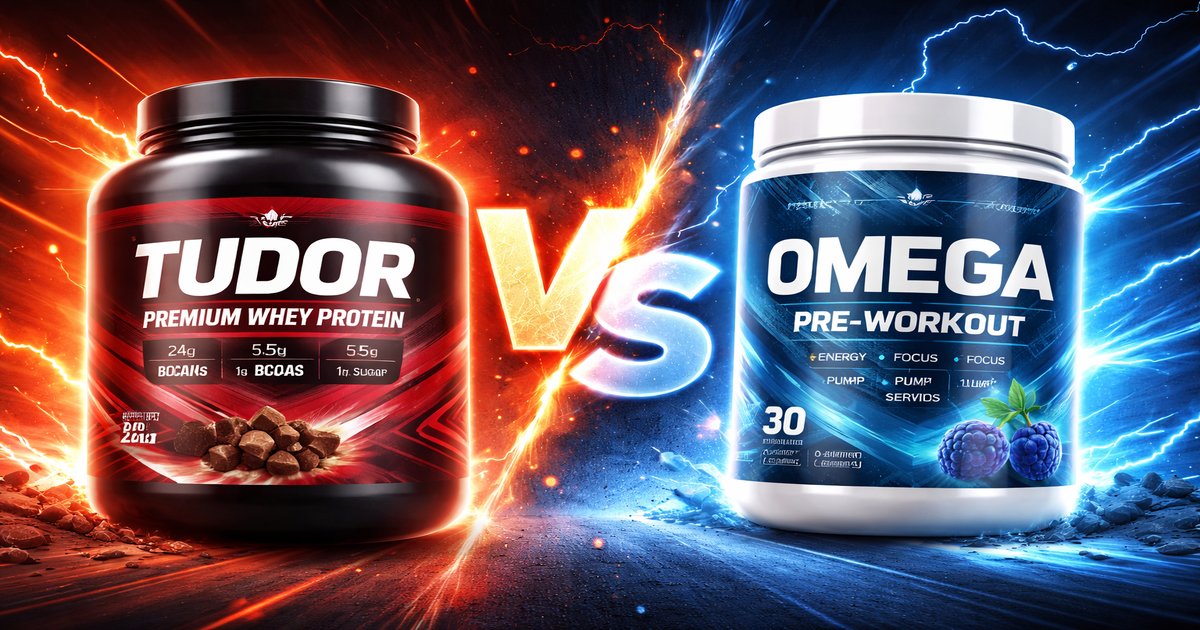
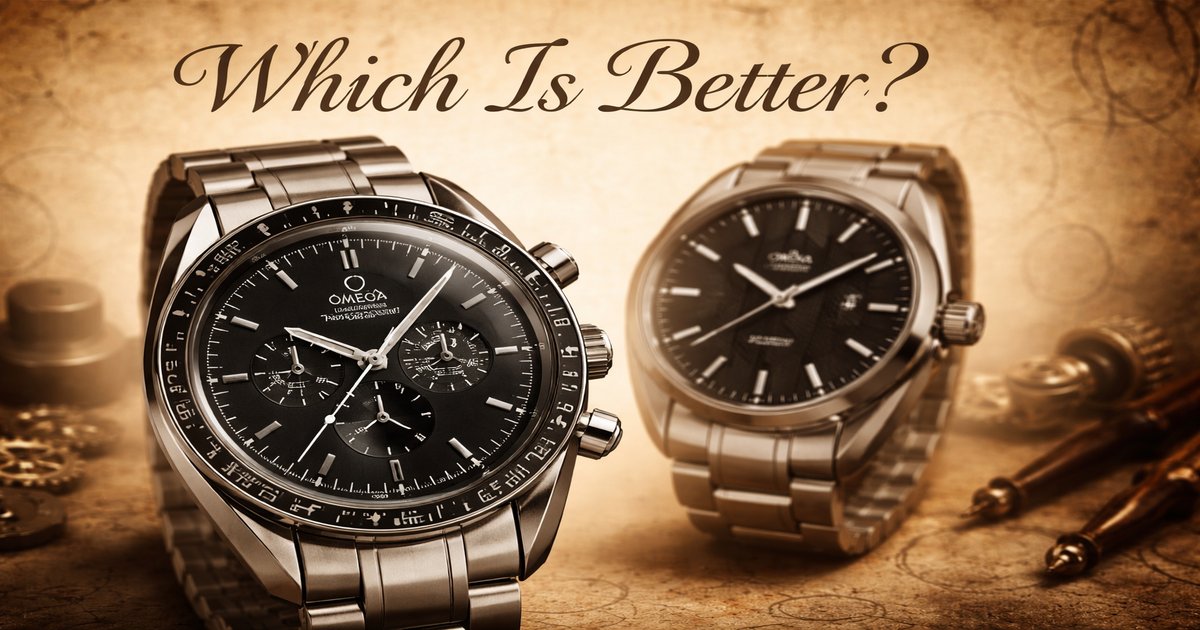
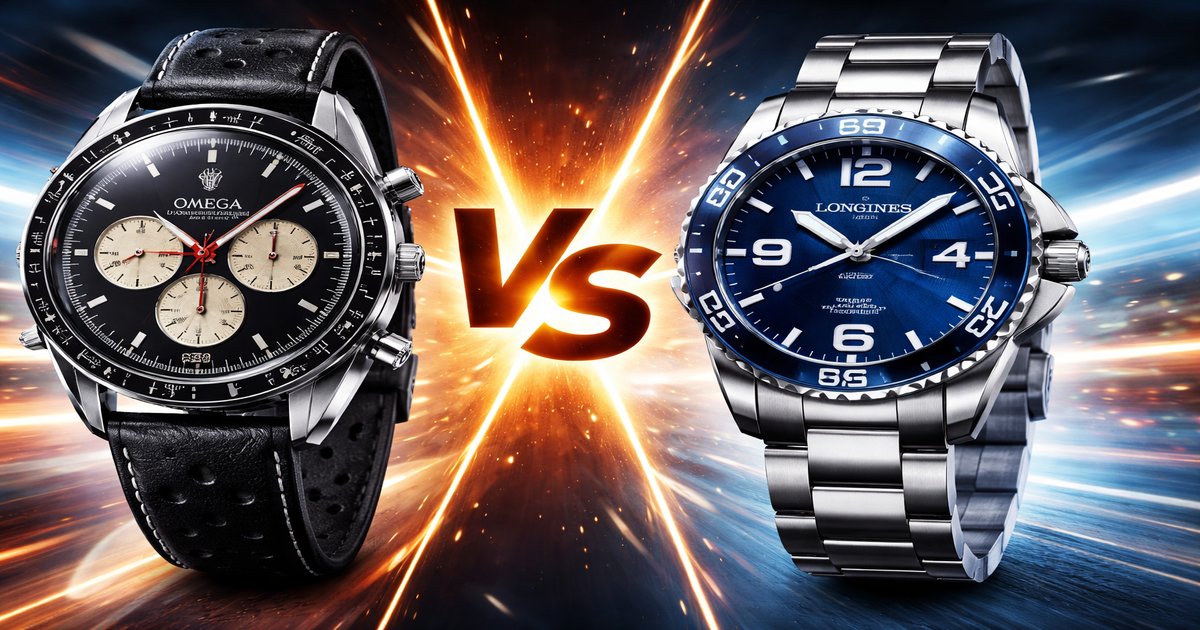
You’ve got your heart set on a luxury watch, but you’re caught in the crossfire between two titans: Tudor and Omega. Whether you’re a first-time luxury watch buyer or an aficionado looking to expand your collection, choosing between these two can feel like a heavyweight bout. Let’s break it down so you can make the choice with confidence.
| Specification | Tudor | Omega |
|---|---|---|
| Price Range | $2,000 – $6,000 | $3,500 – $9,000 |
| Movement Type | Automatic | Automatic & Quartz |
| Water Resistance | 200m | 300m |
| Brand Heritage | Established 1926 | Established 1848 |
| In-house Movement | ✓ | ✓ |
| COSC Certification | ✗ | ✓ |
| Material Options | Stainless Steel, Bronze | Stainless Steel, Titanium, Gold |
✅ tudor Pros
- More affordable entry point.
- Robust build quality.
- In-house movements provide reliability.
❌ tudor Cons
- Less water resistance compared to Omega.
- No COSC certification.
✅ omega Pros
- Superior water resistance.
- COSC certified precision.
- Wider range of materials, including luxury options.
❌ omega Cons
- Higher starting price.
- Quartz options might not appeal to purists.
Performance
Tudor watches are known for their robust performance with a focus on reliability and durability, making them a solid choice for everyday wear. They feature in-house movements that, while not COSC certified, are highly respected in the watch community. Omega, on the other hand, often incorporates COSC certified movements, offering higher precision and accuracy. This is crucial if you’re looking for a watch that maintains exact timekeeping, especially if you’re into activities like diving, where Omega’s superior water resistance comes into play.
Build Quality
Tudor’s build quality is exceptional for its price range, often featuring stainless steel and occasionally bronze for a unique aesthetic. These materials ensure that your watch can withstand daily wear and tear. Omega elevates the experience with options like titanium and gold, pushing the luxury envelope. If you’re looking to make a statement or want something that feels a bit more exclusive, Omega’s build quality and material variety might just tip the scales.
Value
When it comes to value, Tudor offers a compelling package with its lower entry cost and durable construction, making it an attractive option for first-time luxury watch buyers or those seeking a reliable daily wear. Omega, while more expensive, justifies its price with additional features such as COSC certification and a more extensive range of luxury materials. If you can stretch your budget, Omega delivers enhanced prestige and functionality that justify the investment.
Tudor watches, while outstanding in their own right, sometimes lack the precision and luxury feel that Omega consistently delivers. Also, if you’re a stickler for exact timekeeping, Omega’s COSC certification ensures your watch is spot-on. However, remember that Omega’s quartz models might not hold the same allure for those who value the artistry of mechanical movements.
Our Final Verdict: Which One Should You Buy?
If you’re new to luxury watches and want an everyday piece that offers incredible value without breaking the bank, go for Tudor. It’s perfect for those who appreciate rugged reliability and craftsmanship. If you’ve got a bigger budget and want a watch that’s not only precise but also comes with a dash of luxury and prestige, Omega is your go-to. It’s ideal for someone who wants a versatile timepiece that can double as both a daily wear and a statement accessory.
How do Tudor and Omega watches fit on the wrist?
Tudor watches tend to have a slightly chunkier build, which can feel substantial on the wrist, while Omega offers a range of sizes and slimmer profiles, making them versatile for most wrist sizes.
Are Tudor and Omega watches compatible with third-party straps?
Both brands are compatible with third-party straps, though Omega’s proprietary strap systems on some models may limit your options. Tudor’s standard lugs make swapping straps easier.
How long do Tudor and Omega watches last?
Both brands offer durable watches that, with proper care and servicing, can last a lifetime. Omega’s higher-end materials might provide better longevity in harsher conditions.





Comments