
 By
By 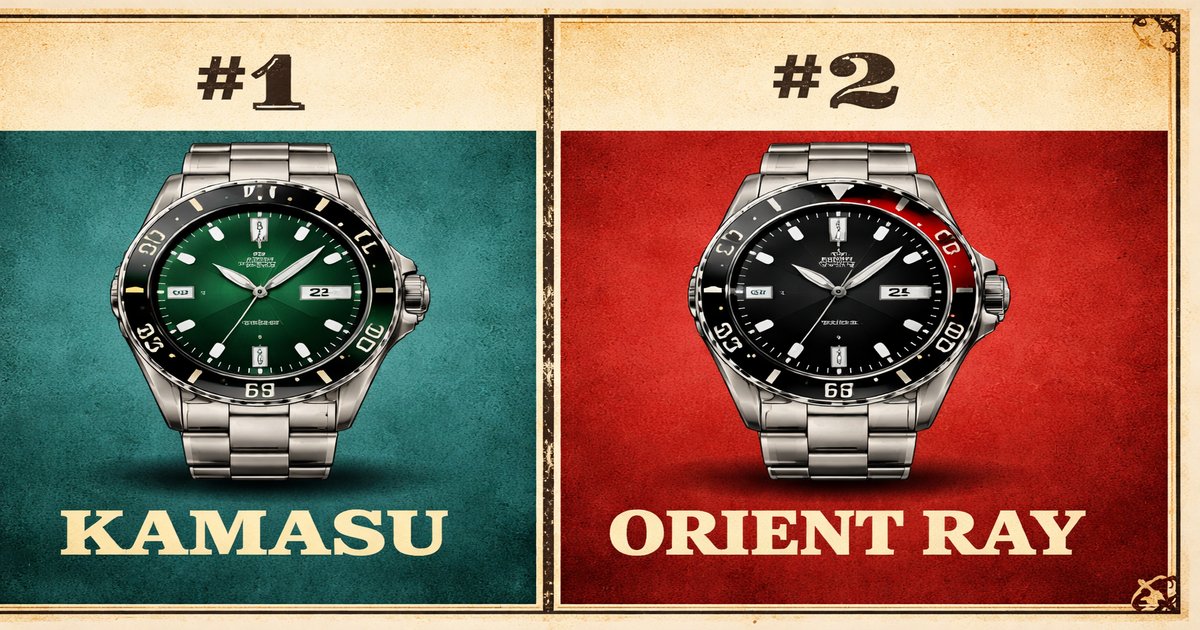
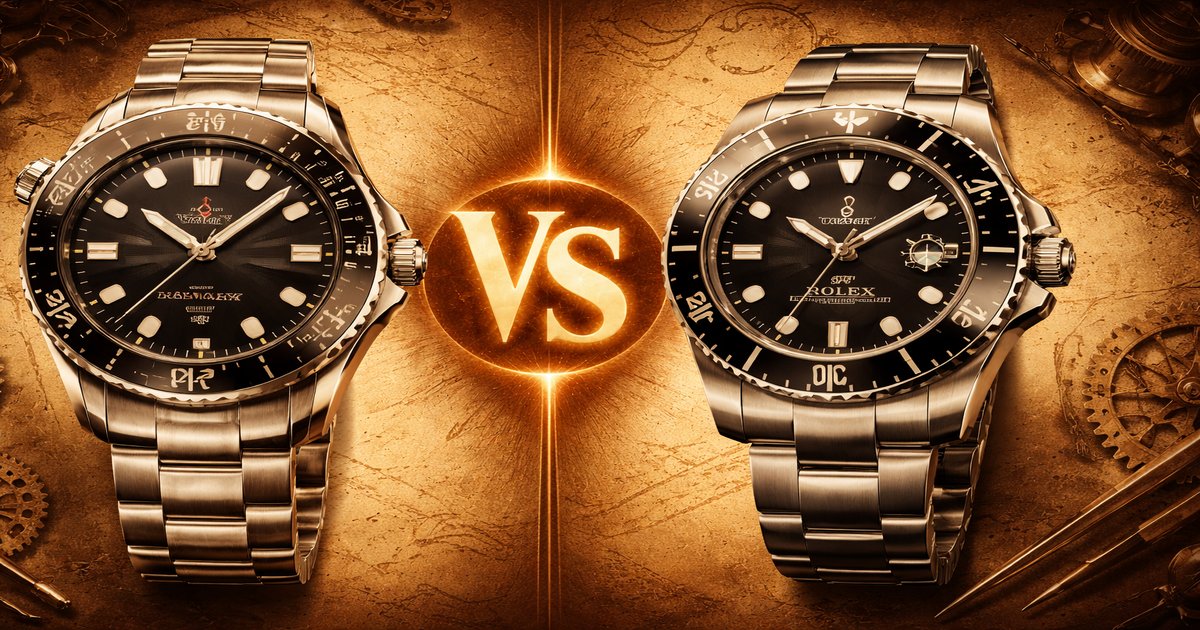
You’re on the hunt for the perfect dive watch, one that looks great on the wrist and doesn’t break the bank. You’ve narrowed it down to two popular choices: the Kamasu and the Orient Ray. Both offer solid features and style, but which one truly fits your lifestyle?
| Feature | Kamasu | Orient Ray |
|---|---|---|
| Movement | Orient F6922 | Orient F69 |
| Water Resistance | 200 meters | 200 meters |
| Crystal | Sapphire | Mineral |
| Luminescence | ✓ | ✓ |
| Case Diameter | 41.8 mm | 41.5 mm |
| Power Reserve | 40 hours | 40 hours |
✅ kamasu Pros
- Sapphire crystal offers superior scratch resistance.
- Stylish design with a more modern look.
- Reliable and accurate automatic movement.
❌ kamasu Cons
- Slightly larger case may not suit smaller wrists.
- Bracelet quality could be better for the price.
✅ orient ray Pros
- Excellent value for money.
- Classic and versatile design.
- Durable and reliable for everyday use.
❌ orient ray Cons
- Mineral crystal is more prone to scratches.
- Older movement with no hacking feature.
Performance
When it comes to performance, both the Kamasu and the Orient Ray pack a punch. The Kamasu’s Orient F6922 movement allows for hacking and hand-winding, giving you more control over timekeeping. The sapphire crystal on the Kamasu is a standout feature, providing greater scratch resistance compared to the mineral crystal of the Ray. If you plan to put your watch through its paces, especially in rough environments, the Kamasu’s durability and precision make it the superior choice.
Build Quality
The build quality of both watches is commendable, but the Kamasu takes the edge with its sapphire crystal and modern aesthetics. The Ray’s classic design and robust build make it a timeless piece, but the mineral crystal is a bit of a letdown. If you’re someone who values a watch that can withstand daily wear and tear, the Kamasu’s superior materials make it a worthwhile investment. However, if you’re more about the timeless design and aren’t rough with your watches, the Ray won’t disappoint.
Value for Money
The Orient Ray is hard to beat on value, offering a reliable automatic watch at a price point that appeals to budget-conscious buyers. For those just starting their collection or looking for a dependable daily wear, the Ray is a steal. The Kamasu, while pricier, justifies its cost with higher-end features like the sapphire crystal and modern movement. For the discerning buyer who values these extra touches, the Kamasu presents a compelling case despite the higher price tag.
Both watches have their limitations. The Kamasu’s slightly larger size may not fit comfortably on smaller wrists. Meanwhile, the Ray’s mineral crystal can scratch more easily, requiring more careful handling. These are considerations many overlook when caught up in specs.
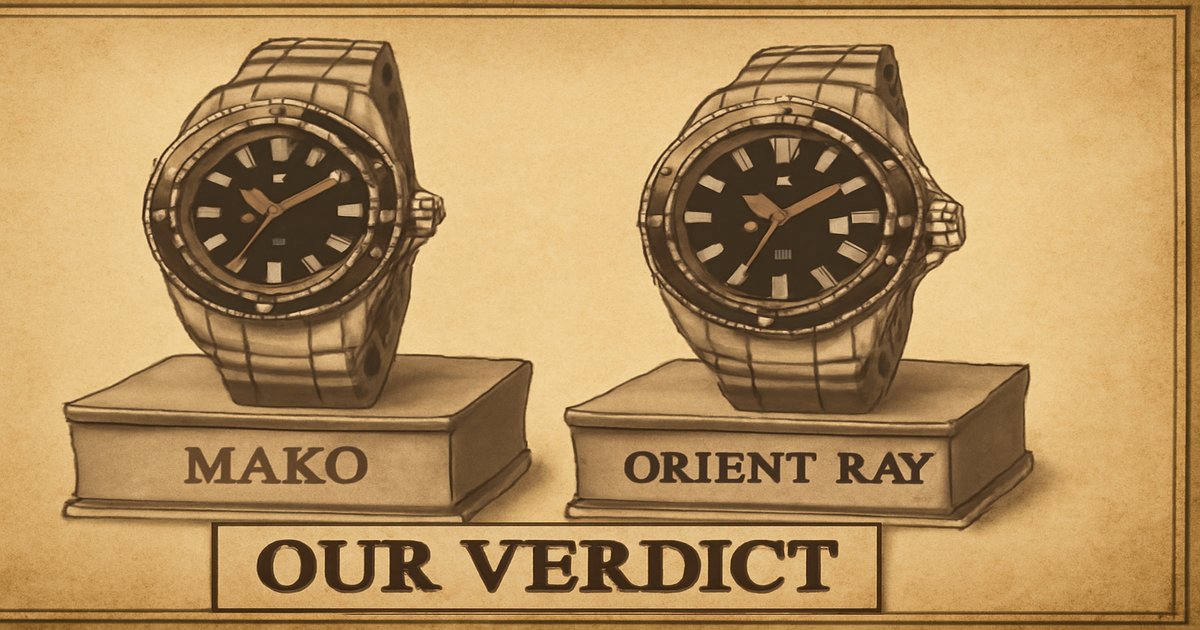
Our Final Verdict: Which One Should You Buy?
If you’re after a modern, durable watch with top-notch materials, the Kamasu is your go-to, especially if you don’t mind spending a bit more for quality. It’s perfect for those who want a watch that can take a beating while looking stylish. However, if you’re looking for a classic timepiece that offers excellent value for money and don’t mind a little extra care with the crystal, the Orient Ray is a fantastic choice for budget-conscious buyers who appreciate timeless design.
Is the Kamasu’s larger size uncomfortable for small wrists?
The Kamasu’s 41.8 mm case might be a bit large for some smaller wrists, but it largely depends on personal preference. Trying it on is the best way to know.
Does the Orient Ray’s mineral crystal scratch easily?
Mineral crystals are more prone to scratches than sapphire, so you might need to be a bit more cautious with the Ray to keep it looking pristine.
How reliable are the movements in these watches?
Both movements are reliable, but the Kamasu’s F6922 offers hacking and hand-winding, adding more precision and control over timekeeping.



Comments