
 By
By 
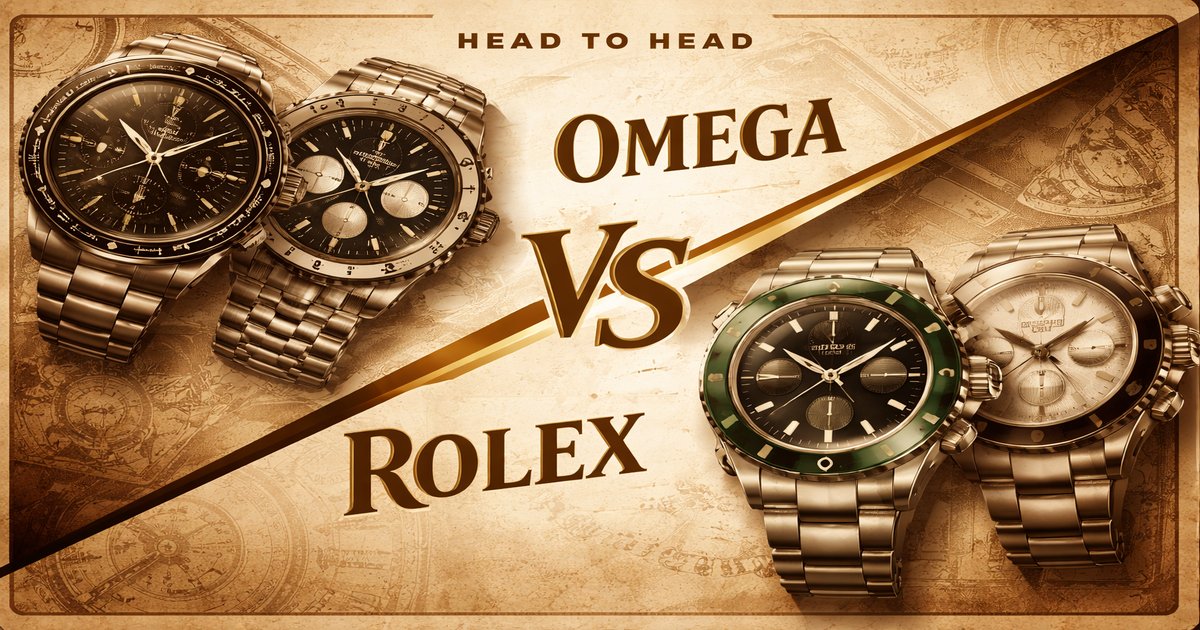
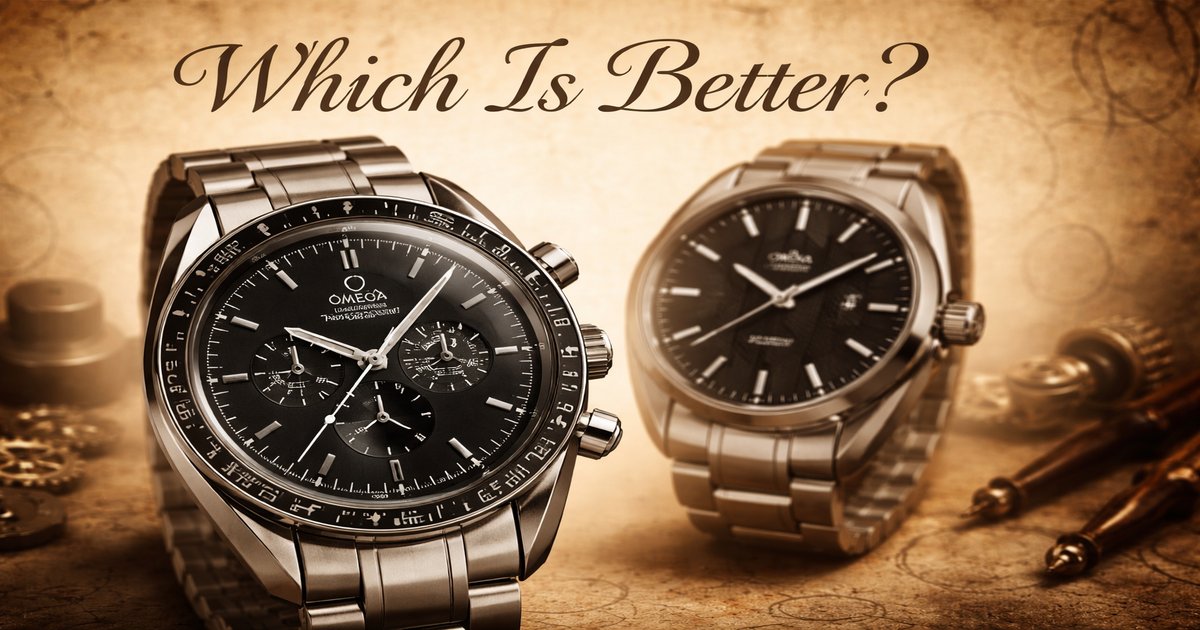
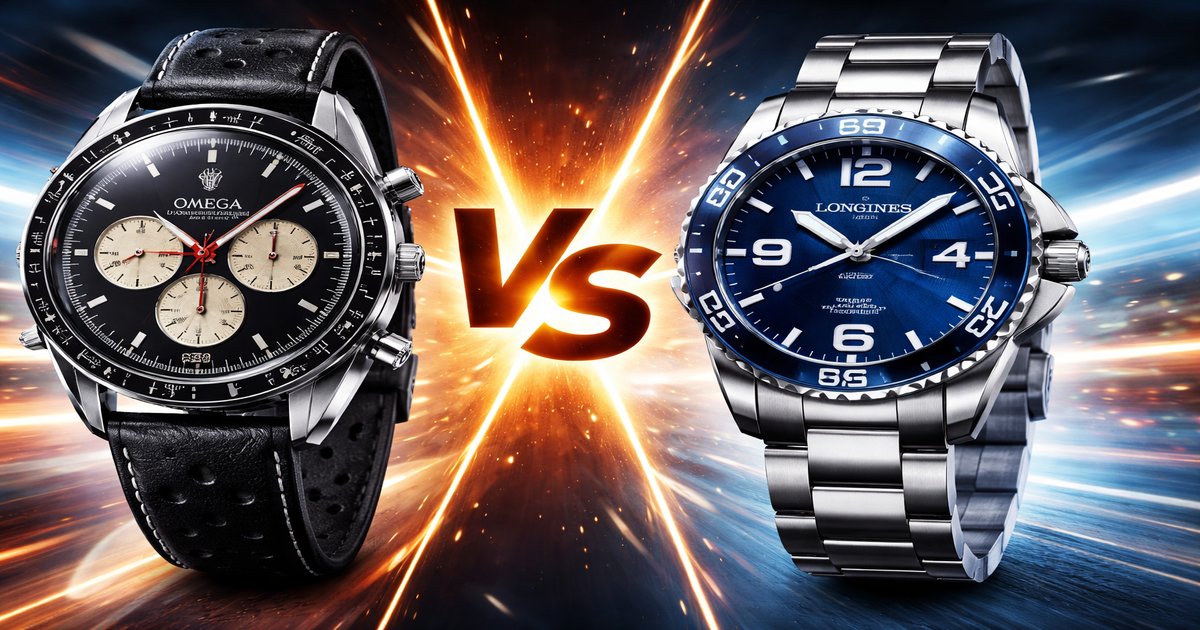
You’re at the brink of making that big watch purchase, but you’re torn between a Rolex and an Omega. Both iconic brands offer style, precision, and status, but which one truly deserves your wrist space? Let’s break it down to help you decide.
| Specification | Rolex | Omega |
|---|---|---|
| Brand Prestige | High | Moderate-High |
| Movement Type | Mechanical (Automatic) | Mechanical (Automatic) |
| Material Options | Oystersteel, Gold, Platinum | Stainless Steel, Gold, Titanium |
| Water Resistance | Up to 100m-300m | Up to 300m-600m |
| Price Range | $5,000 – $75,000+ | $3,500 – $50,000+ |
| Warranty | 5 years | 5 years |
| Resale Value | Very High | High |
✅ Rolex Pros
- Unmatched brand prestige and recognition.
- Exceptional resale value.
- Timeless design that never goes out of fashion.
❌ Rolex Cons
- Generally more expensive.
- Long waitlists for popular models.
- Limited availability can make purchasing difficult.
✅ Omega Pros
- Excellent craftsmanship with a rich heritage.
- Broader variety in design and materials.
- More accessible pricing compared to Rolex.
❌ Omega Cons
- Resale value not as high as Rolex.
- Less brand prestige compared to Rolex.
- Some models can feel a bit trendy.
Performance and Precision
Rolex is synonymous with precision; every model is a certified Swiss chronometer. You won’t find any cutting corners here. Omega, however, has made significant strides with its Co-Axial escapement, aiming to reduce friction and improve accuracy. If you’re a precision freak, both brands deliver, but Omega’s innovation might slightly edge out for those who appreciate cutting-edge horological tech. That said, Rolex’s proven track record in real-world conditions, like the depths of the ocean or the heights of Everest, is hard to beat.
Build Quality and Durability
Both Rolex and Omega offer exceptional build quality. Rolex’s Oystersteel is practically synonymous with durability, making it the go-to for anyone looking for something that can take a beating. Omega counters with its use of titanium and ceramic, offering watches that are both lightweight and robust. If you’re the type to wear your watch during rugged activities, both brands stand up to the challenge, but Omega’s use of modern materials gives it a slight edge in terms of lightweight durability.
Value and Investment
Rolex often dominates the conversation when it comes to investment value. Their watches are known to appreciate over time, making them a preferred choice for collectors. Omega, while also holding value, doesn’t quite reach the same heights. However, Omega offers more bang for your buck, with sophisticated models available at lower price points. If you’re looking for an investment piece, Rolex is the choice. If you want a great watch without breaking the bank, Omega’s your friend.
Both Rolex and Omega boast excellent warranties, but getting your hands on a Rolex can be frustrating due to limited supply and long waitlists. Omega, while easier to acquire, might not hold its value as robustly as a Rolex. Neither brand is immune to the occasional service hiccup, so be prepared for maintenance costs.
Our Final Verdict: Which One Should You Buy?
If you’re someone who values prestige, investment potential, and timeless design, go for a Rolex. It’s perfect for the traditionalist who wants a piece of horological history. On the other hand, if you crave innovation, variety in materials, and a watch that’s slightly more accessible, Omega is your brand. Ideal for those who appreciate fine watchmaking without the hefty markup.
How does the fit compare between Rolex and Omega watches?
Rolex tends to have a classic, robust fit, often feeling heavier due to the use of Oystersteel. Omega offers more variety in sizes and materials, often resulting in a lighter feel, especially in their titanium models.
Are both brands compatible with modern lifestyles?
Absolutely. Both Rolex and Omega offer watches that are versatile enough for everyday wear, as well as more specialized models for specific activities like diving or racing.
Which brand offers better longevity?
Both brands are built to last a lifetime, but Rolex’s reputation for durability is unmatched. Omega’s modern materials, however, offer excellent wear resistance and longevity as well.





Comments