
 By
By 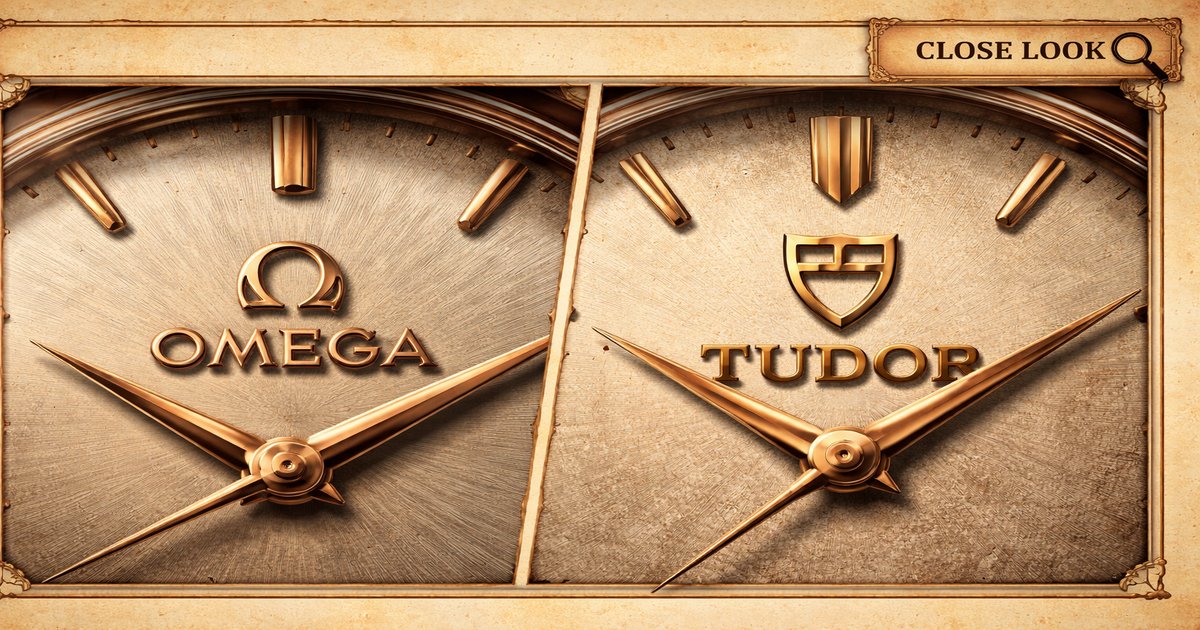
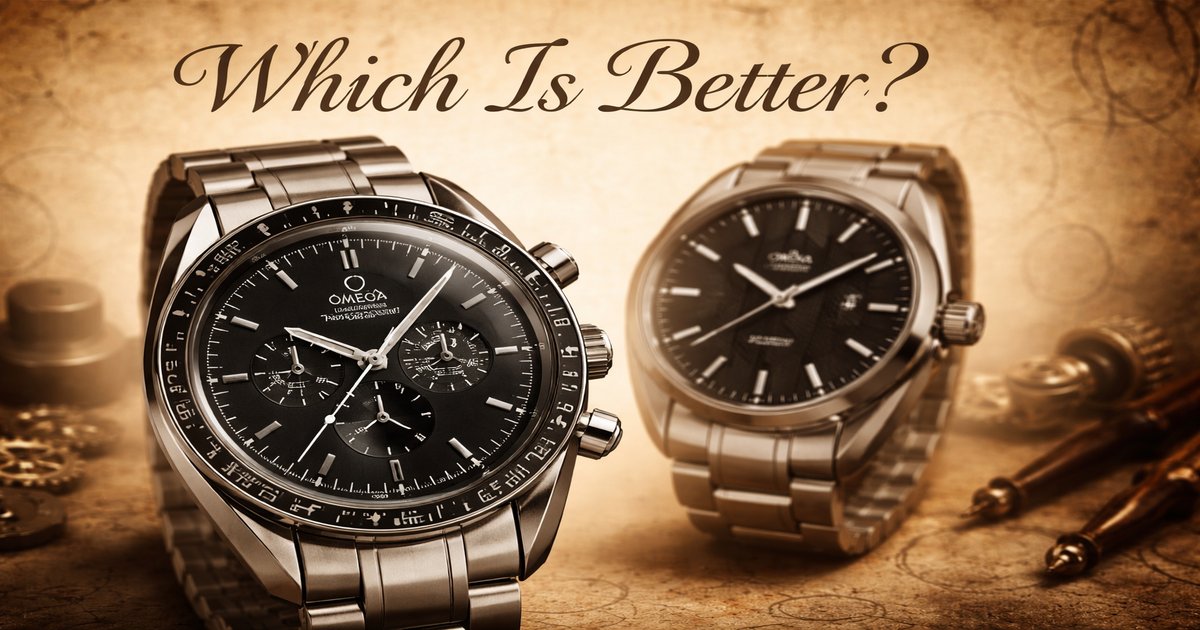
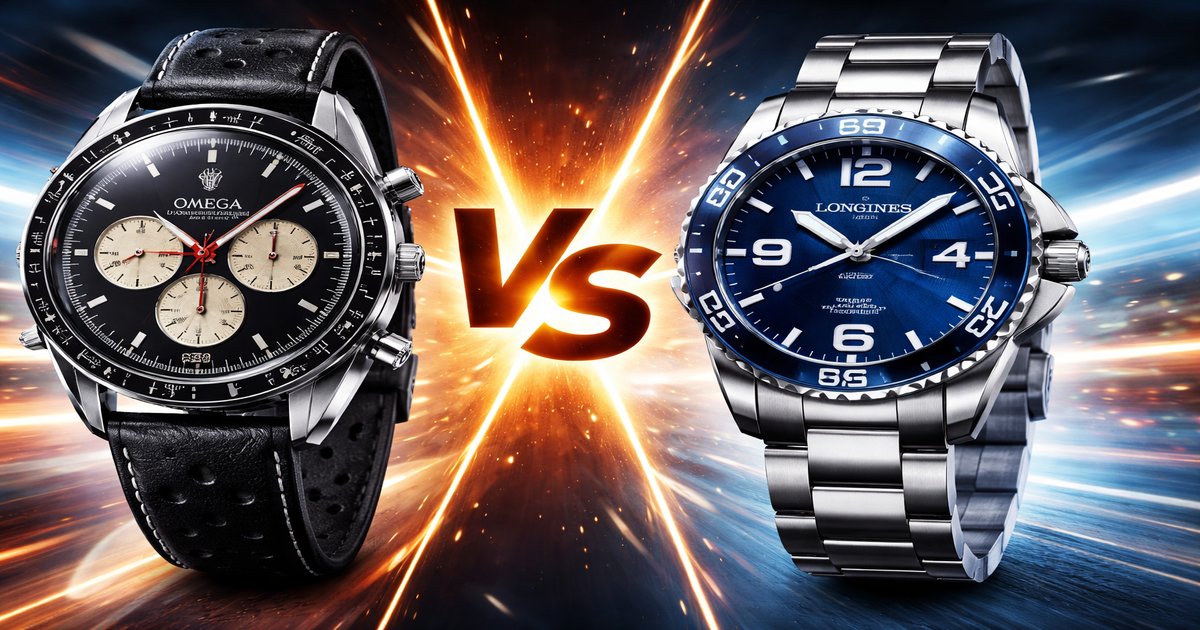
Imagine you’re at a watch boutique, weighing the prestige of an Omega against the rugged appeal of a Tudor. Both brands have their distinct personalities, and choosing the right one is like picking a team based on your lifestyle and values.
| Feature | Omega | Tudor |
|---|---|---|
| Brand Heritage | Over 170 years | Over 90 years |
| Price Range | $3,500 – $50,000+ | $2,500 – $10,000 |
| Movement Type | Co-Axial, Master Chronometer | In-house, COSC Certified |
| Water Resistance | Up to 600m | Up to 500m |
| Material Options | Stainless Steel, Gold, Titanium | Stainless Steel, Bronze |
| Resale Value | ✓ | ✓ |
| Warranty | 5 years | 5 years |
✅ omega Pros
- Advanced Co-Axial movements for precision.
- Exceptional depth in model variety, from dress to sports.
- Strong brand prestige and recognition.
❌ omega Cons
- Higher entry price point compared to Tudor.
- Some models can feel overly ubiquitous.
✅ tudor Pros
- Excellent quality for price, offering great value.
- Distinctive design with a modern vintage twist.
- In-house movements in many models.
❌ tudor Cons
- Less brand prestige compared to Omega.
- Limited high-end model options.
Performance and Movement
Omega’s Co-Axial movements are a horological marvel, offering reduced friction and greater precision. If you’re after the highest level of accuracy and innovative engineering, Omega has a clear edge. Tudor, however, impresses with its COSC-certified in-house movements at a lower price point. It’s a perfect fit for someone who appreciates precision without the hefty price tag. You get reliability and craftsmanship, but without the bells and whistles Omega offers.
Build Quality and Materials
Omega pulls out the stops with an array of materials like titanium and gold, catering to both luxury and utility. Their watches feel substantial, with polished finishes that scream sophistication. Tudor, in contrast, leans into its tool-watch ethos with rugged stainless steel and charming bronze options. If durability and a distinctive look are what you seek, Tudor won’t disappoint. It’s less about flash and more about function and heritage with a contemporary twist.
Value and Resale Potential
Both Omega and Tudor hold their value well, but Omega often takes the lead thanks to its storied history and iconic status. Omega’s watches, especially limited editions, are like a solid investment in your wrist. Tudor offers you a chance to own a piece of the Rolex family tree at a fraction of the cost, maintaining good resale value thanks to its quality and growing popularity. It’s the savvy choice for smart spenders.
While both brands boast impressive specs, Omega’s complexity can make some models expensive to service. Tudor, while generally robust, has fewer service centers worldwide, which might be inconvenient. Consider the long-term maintenance when making your choice.
Our Final Verdict: Which One Should You Buy?
If you crave prestige, advanced technology, and a wider selection of luxury materials, Omega is your go-to. It’s the choice for those who see their watch as both a status symbol and a precision tool. On the other hand, if you’re looking for excellent value, rugged durability, and a connection to horological history without breaking the bank, Tudor is your brand. Perfect for those who appreciate understated quality and heritage.
How does the fit and comfort compare between Omega and Tudor?
Omega tends to offer a broader range of sizes and styles, making it easier to find a perfect fit. Tudor watches are robust but lean towards a sportier feel, which might not suit smaller wrists.
Are Tudor watches compatible with Omega straps and bracelets?
Generally, Tudor and Omega straps are not interchangeable due to differences in lug width and design. It’s best to use brand-specific accessories for the perfect fit.
How do Omega and Tudor watches fare in terms of longevity?
Both brands offer excellent longevity. Omega’s advanced materials can offer superior resistance to wear, while Tudor’s robust construction ensures durability over time.









Comments