
 By
By 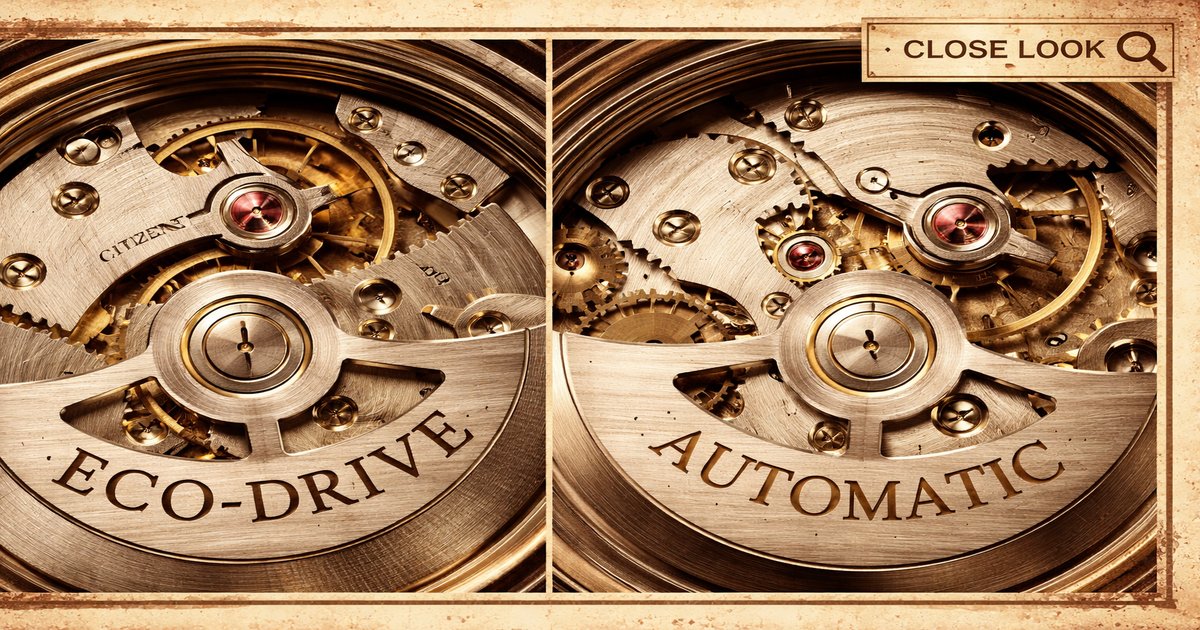
You’re on the hunt for a reliable wristwatch but torn between the Citizen Eco-Drive and an Automatic watch. Both have their merits and quirks, but which one will truly stand up to your lifestyle demands? Let’s break it down so you can confidently make your choice.
| Feature | Citizen Eco-Drive | Automatic Watch |
|---|---|---|
| Power Source | Solar-Powered | Mechanical Movement |
| Maintenance | ✓ Low | ✗ High |
| Accuracy | ±15 seconds/month | ±5 to 15 seconds/day |
| Charging Frequency | Rarely needed | Daily wear recommended |
| Price Range | $200 – $600 | $100 – $10000+ |
| Style Variety | ✓ Moderate | ✓ Extensive |
✅ citizen eco-drive Pros
- Maintenance-free with solar power.
- Very accurate timekeeping.
- Environmentally friendly.
❌ citizen eco-drive Cons
- Limited style variety compared to automatics.
- Reliant on light exposure for charging.
✅ automatic Pros
- Extensive range of styles and brands.
- Mechanical craftsmanship appeals to enthusiasts.
- No battery or charging required.
❌ automatic Cons
- Can be less accurate than quartz movements.
- Requires regular servicing for optimal performance.
Performance and Accuracy
Both the Citizen Eco-Drive and Automatic watches have their strengths, but when it comes to accuracy, the Eco-Drive pulls ahead. With a deviation of only ±15 seconds a month, it outperforms many automatic watches, which can drift by ±5 to 15 seconds a day. If precision is paramount for you, especially if you’re someone who relies on pinpoint timing, the Eco-Drive is a more reliable choice. Automatics, while charming with their mechanical intricacies, often require regular adjustments to ensure accurate timekeeping.
Maintenance and Longevity
The Eco-Drive is your low-maintenance champion. It charges with any light exposure, meaning it basically takes care of itself. An Automatic watch, on the other hand, demands more attention. Regular winding or consistent wear is necessary to keep it ticking, and periodic servicing is essential to maintain its mechanical parts. If you’re not inclined to baby your watch or shell out for frequent servicing, the Eco-Drive is your hassle-free option.
Style and Aesthetic Appeal
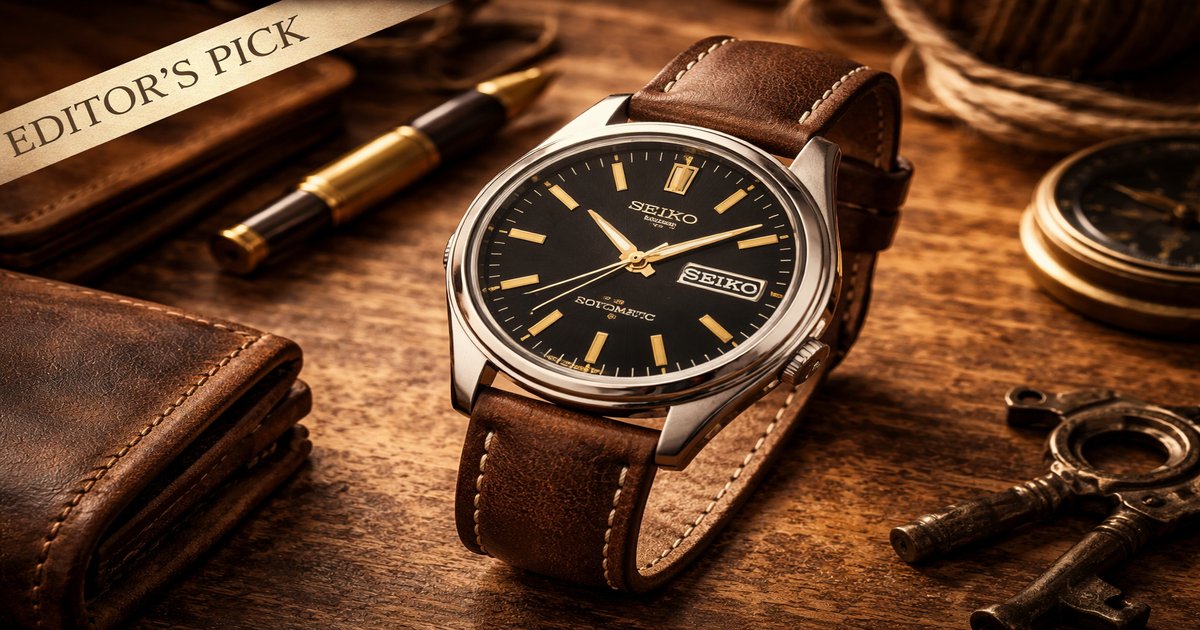
When it comes to style, Automatic watches have the upper hand with a broader range of designs and brands. They cater to collectors and style aficionados who appreciate the artistry of mechanical movements. The Eco-Drive, while not as varied, still offers sleek and functional designs, often at a more accessible price point. If you’re after a watch that’s as much about fashion as it is function, an Automatic might be more up your alley. However, if you’re looking for simplicity and utility, the Eco-Drive still offers stylish options without the fuss.
What most reviews won’t tell you is that Eco-Drive watches can struggle in dim environments over extended periods. Meanwhile, automatics can annoyingly stop if you don’t wear them daily, which can be a dealbreaker if you rotate watches. Think about how you plan to use the watch, because these quirks can be more than minor inconveniences.
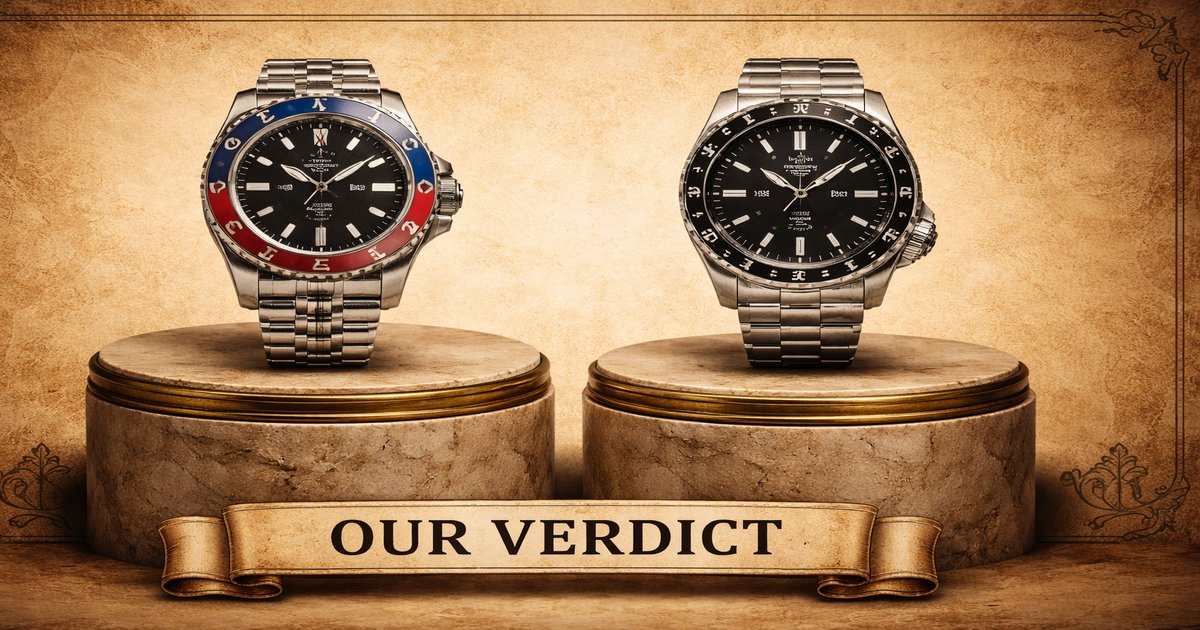
Our Final Verdict: Which One Should You Buy?
If you’re a practical, no-fuss individual who values reliability and low maintenance, the Citizen Eco-Drive is your go-to. It’s perfect for everyday wear and won’t let you down with constant time checks. On the other hand, if you’re a watch enthusiast who appreciates craftsmanship and variety, and you don’t mind the upkeep, an Automatic watch will satisfy your passion for horological art and style.
How long does an Eco-Drive last?
With proper care, an Eco-Drive watch can last a lifetime. The rechargeable battery typically lasts 10 years, after which it may need replacing.
Do automatic watches need winding if worn daily?
If worn daily, automatic watches generally don’t need additional winding as the movement of your wrist keeps them powered.
Are Eco-Drive watches suitable for diving?
Yes, many Eco-Drive models are designed for diving, with water resistance ratings suitable for various underwater activities.










Comments