 By
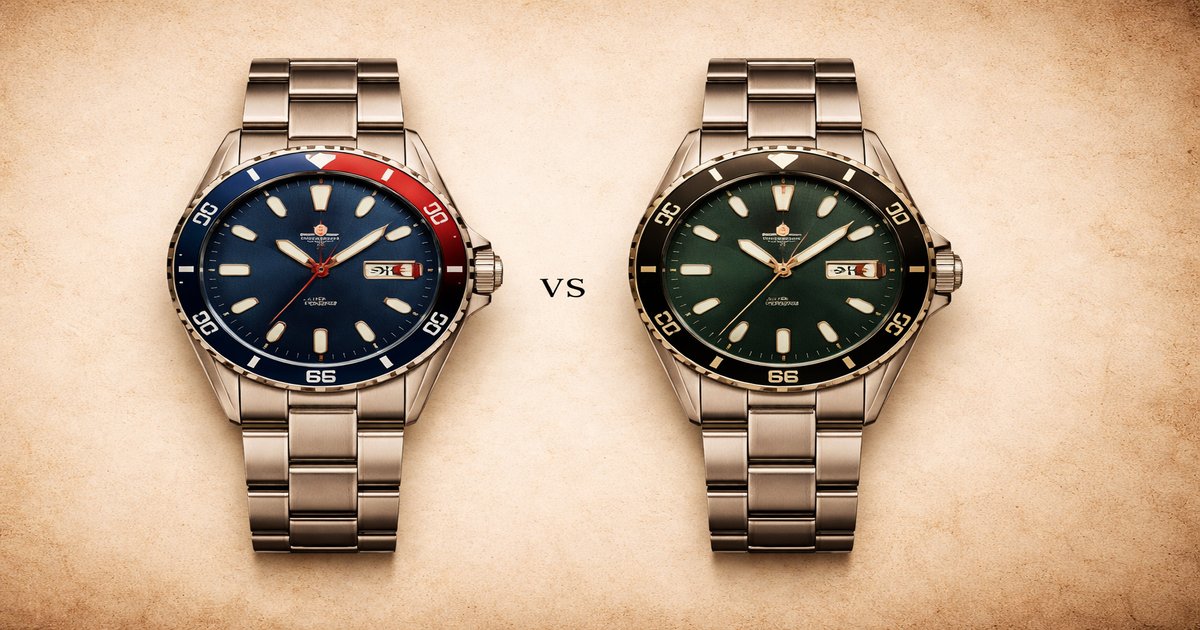
You’ve finally decided to invest in a reliable dive watch, but now you’re torn between two popular choices: the Orient Ray and the Kamasu. Both have their own fan bases, both are solid in their own right, but which one truly deserves a spot on your wrist for those underwater adventures and beyond?
| Specification | Orient Ray | Kamasu |
|---|---|---|
| Movement | Orient Caliber F6922 | Orient Caliber F6922 |
| Water Resistance | 200 meters | 200 meters |
| Crystal | Mineral | Sapphire |
| Lume | ✓ | ✓ |
| Case Diameter | 41.5mm | 41.8mm |
| Bezel | 120-click unidirectional | 120-click unidirectional |
| Price Range | $150-$250 | $200-$300 |
✅ orient ray Pros
- Affordable price point for quality.
- Classic dive watch aesthetic.
- Reliable in-house movement.
❌ orient ray Cons
- Mineral crystal is prone to scratches.
- Bezel action can feel a bit stiff.
✅ kamasu Pros
- Sapphire crystal for better scratch resistance.
- Modern, stylish design with versatile color options.
- Improved lume brightness and longevity.
❌ kamasu Cons
- Slightly higher price point.
- Not as classic-looking as the Ray for traditionalists.
Performance and Reliability
Both the Orient Ray and Kamasu run on the same Orient Caliber F6922 movement, which means you’re getting a solid performance regardless of the choice. This movement is known for its reliability and accuracy, making both watches dependable companions whether you’re diving or just navigating the daily grind. The 200 meters of water resistance ensures peace of mind during underwater activities. However, the Kamasu edges out slightly due to its sapphire crystal, which adds an extra layer of durability to withstand daily wear and tear.
Build Quality and Design
When it comes to build quality, the Kamasu takes the lead with its sapphire crystal, offering superior scratch resistance compared to the Ray’s mineral crystal. The Kamasu’s modern design might appeal more to those who want a watch that transitions well from diving to dinner. On the other hand, the Orient Ray retains the charm of a classic dive watch, which might appeal to purists. Both feature a robust case and a 120-click unidirectional bezel, ensuring they can handle the rigors of diving.
Value for Money
The Orient Ray is the budget-friendly choice here, offering great value for those who want a dependable dive watch without breaking the bank. It’s perfect for someone who prioritizes function over form. The Kamasu, while slightly pricier, justifies its cost with a sapphire crystal and a more contemporary design. If you’re willing to spend a bit more, the Kamasu offers better long-term durability and a style that suits multiple occasions.
One thing most reviews gloss over is that while both these watches have decent lume, neither will blow you away in pitch darkness. Also, the bracelet on both models could feel a bit rattly if you’re used to higher-end watches. If you’re a lume fanatic or a bracelet snob, keep this in mind.
Our Final Verdict: Which One Should You Buy?
If you’re someone who values a classic design and wants a budget-friendly yet reliable dive watch, the Orient Ray is your go-to. It’s perfect for traditionalists who love the vintage dive watch look. On the other hand, if you’re after modern aesthetics and superior durability, the Kamasu is worth the extra dollars. It’s ideal for those who want a versatile piece that seamlessly moves from diving to day-to-day wear.
How does the fit of these watches compare?
Both watches have similar case sizes around 41.5mm, so they’ll fit similarly on most wrists. However, the Kamasu’s slightly updated design might feel more comfortable for some.
Are the bands interchangeable between the Orient Ray and Kamasu?
Yes, both watches come with standard lug widths, making it easy to swap out bands and customize your look.
Which watch offers better longevity?
The Kamasu, with its sapphire crystal, is likely to maintain its appearance longer, especially if you’re prone to bumping your watch. The mineral crystal on the Ray is more susceptible to scratches.

Comments